On 20 May 2019, the Tobacco Products Directive came into force. It initially affects the manufacture, distribution and sale of cigarettes as well as the rolling of cigarettes. In order for products to be authorised on the market, they must be labelled with a unique serial number.
The data of the individual packaging and transactions must be recorded and sent together with the product through the Supply Chain migrate. By 2024, all tobacco products will be covered by the directive. The aim of the TPD is to Health of EU citizens to protect the environment, prevent smuggling and secure tax revenues.
The changes will entire supply chain concern: Manufacturers, distributors and retailers. However, the requirements of the individual organisations may vary and they must react accordingly. Instead of introducing a separate process, the establishment of a Solution, that are integrated into the integrated into existing processes, significantly more efficient.


Olivier Frère, a traceability expert at Zetes, has analysed the three most important priorities summarised for us on the road to compliance:
1. recognise and understand your own obligations
Firstly, it is important that those involved in the supply chain fully understand all the requirements of the guideline and have an Roadmap for the fulfilment of your compliance obligations superior. The movements of all tobacco products are now scanned and recorded along the entire supply chain, from production through distribution to the point of sale.
Nevertheless, there is no one-size-fits-all solution. For example, some wholesalers have a Warehouse Management System (WMS), However, it is highly unlikely that the necessary capacity will be available to collect, process and transmit all the required data to the EU router.
The directive also applies to operators of mobile vending machines, direct deliveries of products to shops, operators of cigarette vending machines and suppliers to retail outlets: compliance must be ensured at every step and at every location.
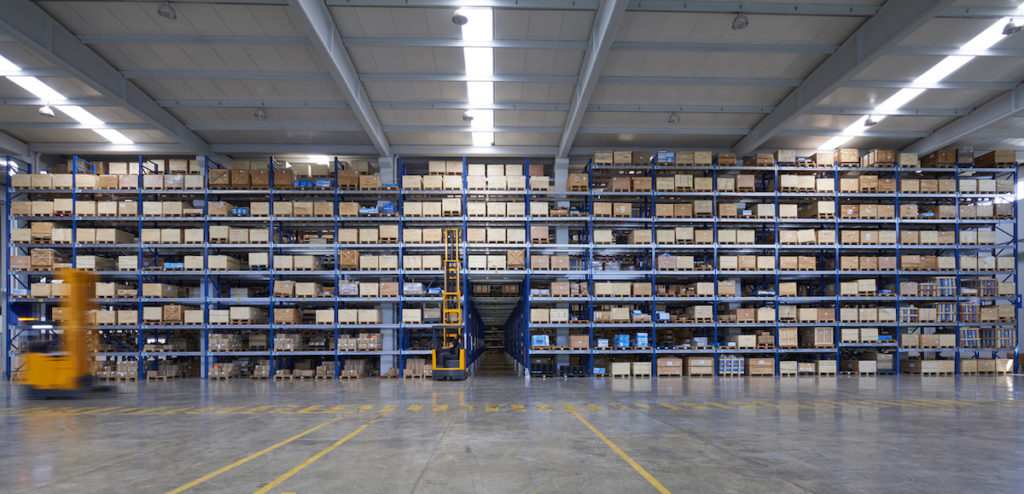
(Image: iStock-522142492/stockvisual)
2. select the right solution partners
In order to adapt effectively to the directive, those affected should:
- Choose your solution partner carefully by making sure that they already work closely with the European Commission and is very familiar with the requirements.
- consult partners who have a strong Track record on regulated markets have. Business efficiency - and even more so compliance - can be impaired if the appropriate technology is missing, there is a lack of data accumulation capacity or the solution is not future-proof.
- On Minimal additional personnel requirements pay attention. The best way to achieve this is to clarify in advance whether the proposed solution can be embedded in the existing processes. An isolated, stand-alone solution would mean additional risks and costs for ongoing operations.
- Ensure that the partner is able to register with the EU registry via the EU registry. primary repository to connect.
For manufacturers, the solution must enable the identification of packaging and products. This is not only important for the Serialisation and accumulation processes important, but also for the Traceability. The overall solution should also include a primary repository in which all relevant data is published and enriched.

For retailers and distributors, the solution must unique identification codes together with the specific sales data The data is recorded, combined and published so that transactions and their participants can be identified.
There are two ways in which a company can implement a compliant solution: either a Integrated system, that connects to all existing databases to achieve greater efficiency, or a Independent solution for a quick turnaround. The solution must be set up in such a way that it can be further developed in a second phase so that efficiency and compliance remain guaranteed throughout.
3. additional activities in the storage and transport processes
If compliance projects are implemented correctly, they can Enrich business operations and are not just perceived as imposed new regulation.
While implementing a TPD project may initially be seen as a disruption to processes, with the right guidance, automation and technology, it can provide stakeholders with a additional economic benefit and thus enjoy greater transparency in the supply chain in addition to compliance.
Companies want to make their processes more efficient and new regulatory requirements demand ever greater transparency in the movement of products. Companies must seize every opportunity to realise the benefits of traceability throughout the supply chain. To do this, they should implement a flexible solution platform to avoid isolated solutions for individual regulations.