In times of growing mountains of waste and limited resources, the question of efficient reusable systems is becoming increasingly urgent. One answer to this could lie in a system that is already being trialled in cities such as Aarhus and Berlin - developed by Tomra Reuse, a subsidiary of the Norwegian technology company Tomra. Its aim is to combine the convenience of disposable packaging with the sustainability of reusable packaging.
In Germany, the use of reusable packaging in the catering industry is still low. One reason for this is that the use of reusable packaging is considerably more expensive than the use of disposable packaging. „But reusable must not be more complicated than disposable. That's why we want to counter the one-way solution with something that works just as easily,“ explains Sven Hennebach, Senior Manager at Tomra Reuse and responsible for the German market.
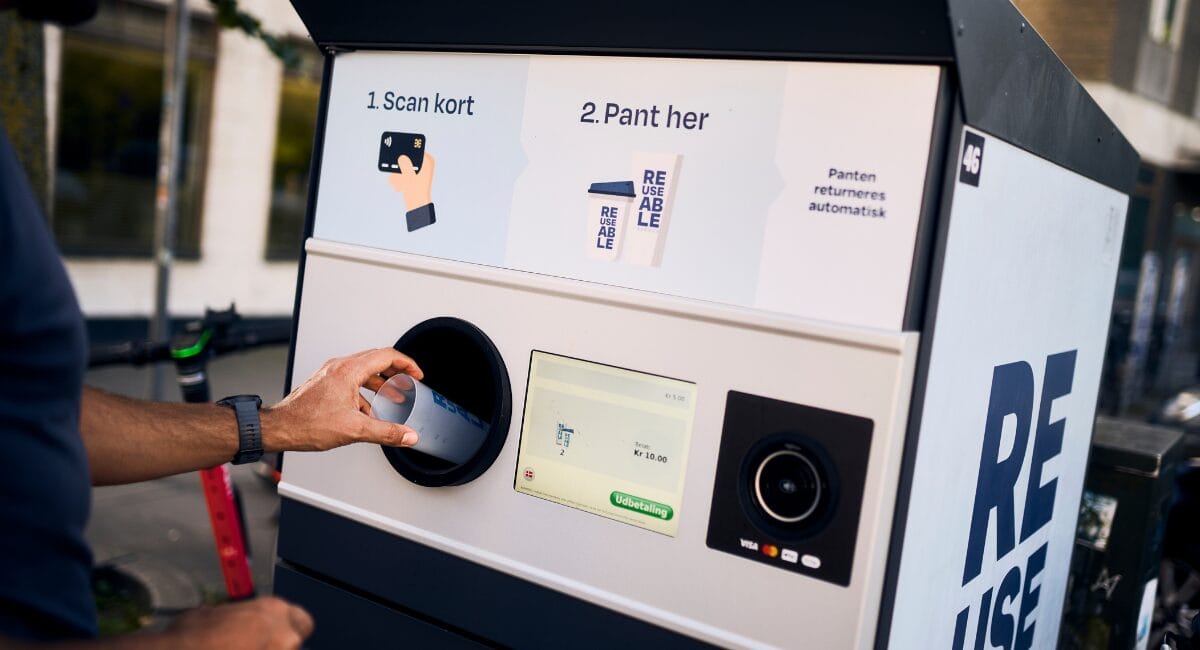
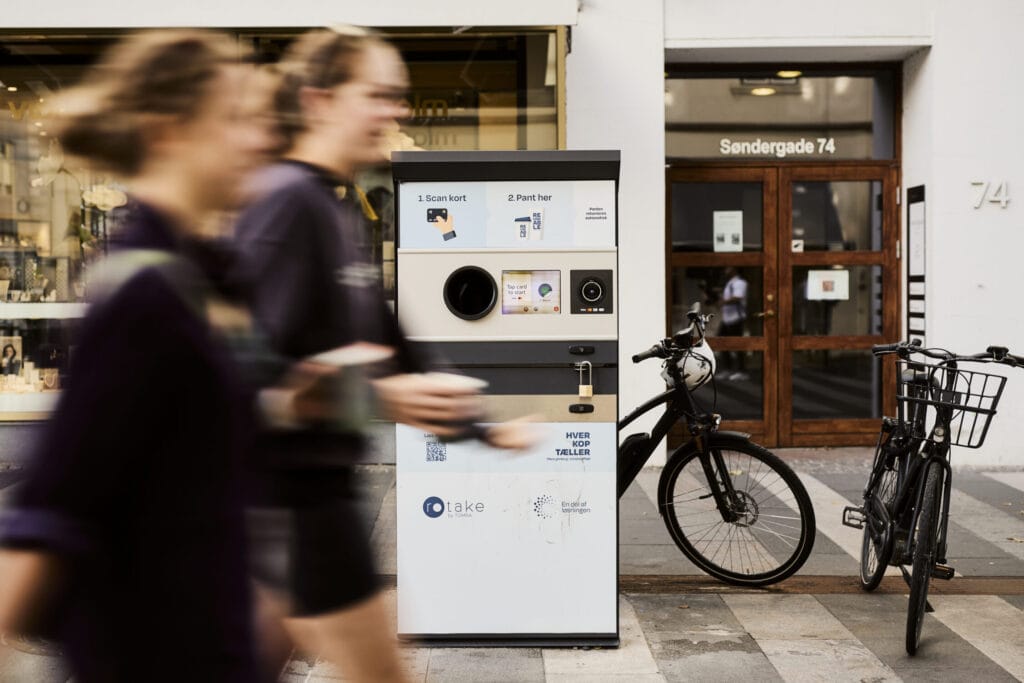
The company relies on Automated, digitally networked and customer-friendly solutions for the return and logistics of reusable packaging. The focus is primarily on take-away packaging - cups, bowls and even pizza boxes, for which Tomra has developed special reverse vending machines - such as those already in use as part of a pilot project in the Danish city of Aarhus.

Easy return via deposit machines
While countries such as France and the Netherlands achieve a high return rate of reusable packaging through legal bans on disposable packaging for on-the-spot consumption, Germany lags far behind with return rates in the low single-digit range. Tomra Reuse, together with the German environmental organisation Deutsche Umwelthilfe a pilot project in Berlin started. In selected Rewe supermarkets in Friedrichshain-Kreuzberg, the Tomra T9 single-feed deposit machines ready, which accept both Sykell cups (simply reusable) and Recup reusable cups.
For the first time, consumers can now return their reusable cups using the same machines that they use for their deposit bottles. With around two million single-use take-away packs a day in Berlin alone, there is a great need for action. The pilot project is now set to demonstrate this, whether an uncomplicated return via deposit machines makes the decisive difference - and can serve as a model for other cities.
„Until now, a network of distribution points for reusable cups in Germany has also been responsible for taking them back. However, this is not the route that reusable containers usually take, for example when they are used at the airport or railway station. That's why we're taking a different approach with returns at supermarkets, where customers also return their returnable bottles and cans during their daily shopping.“ Sven Hennebach, Senior Manager at Tomra Reuse
The logistics take place about existing retail structuresReturn transport to the central warehouse, cleaning by an external service provider - minimal additional work and maximum efficiency.
Successful pilot project in Aarhus
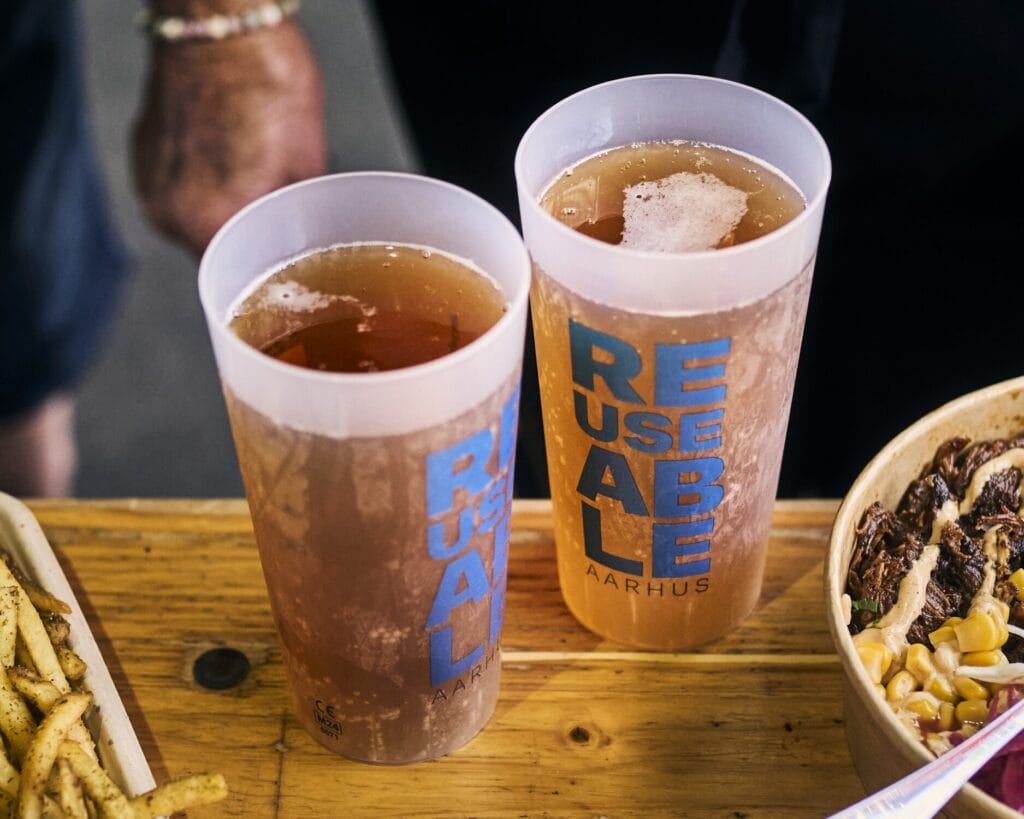
A pilot project launched in 2024 in the Danish city of Aarhus is already demonstrating this: There are 27 reverse vending machines in public spaces - from shopping centres to street food zones - and ensured a response rate of 86 per cent within the first year. A figure that clearly shows what is possible when convenience, technology and incentive systems work together. „We have achieved a very high return rate in Aarhus within a short space of time. By comparison, in some German football stadiums only 30 per cent of the returnable cups handed out are returned - especially where branded cups are taken as souvenirs. This is souvenir trading in the guise of a reusable system. In other stadiums with neutral cups, on the other hand, significantly higher return rates are achieved,“ says Hennebach.
Smart reverse vending machine
What sets Aarhus apart is the simple user guidance: when the serialised reusable cups are returned to one of the automated Tomra collection points, which were specially developed for take-away packaging, the machine first digitally checks whether the cup used has a deposit. The return is then linked to a cashless deposit refund system. At the same time, the system collects valuable usage data: Every cup is tracked precisely - a database that helps to intelligently manage and further develop reusable packaging.
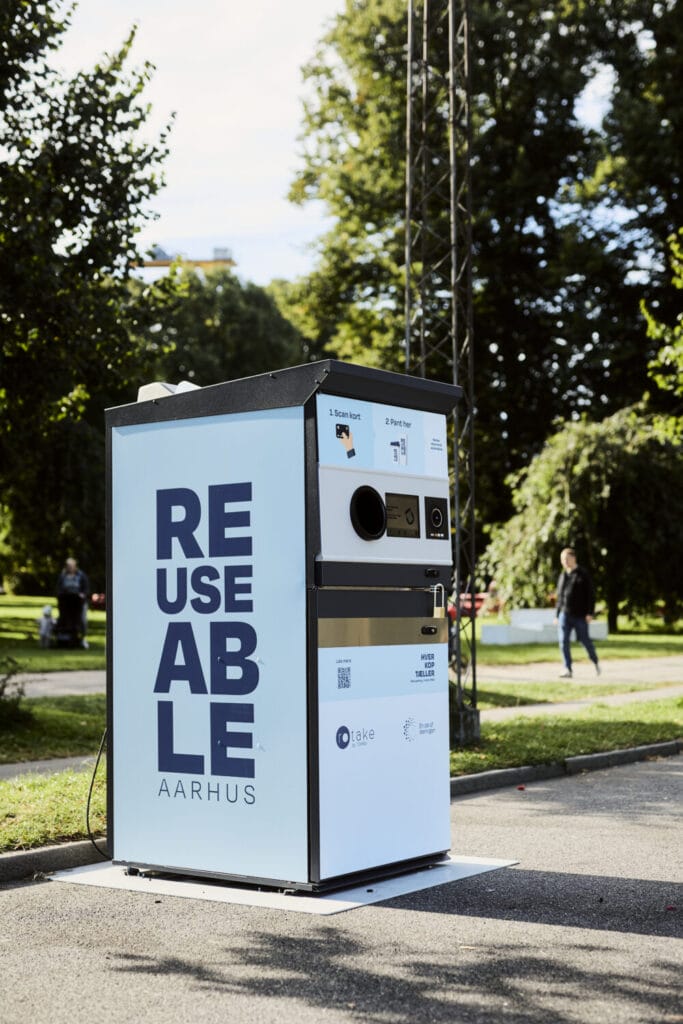
„Our system works in a similar way to the rubbish bins - instead of throwing disposable cups in, people simply put their reusable cups in the machines. This works smoothly in Aarhus. Reusable is almost as convenient as disposable“, says Sven Hennebach. „The reusable rate in Aarhus is now twelve per cent, without any bans. Many cafés now only serve reusable drinks because there are reverse vending machines everywhere. We also installed new vending machines with a larger opening for reusable bowls for the first time last year and are initially trialling this together with the university.“
Reusable as mainstream
The versatility of the system is also evident at public events: during a test at a street festival last year, around 100,000 disposable cups were saved. This year, Tomra plans to replace half a million cups at five such events. In the next step branded cup solutions will then be tested - This could be of interest to large coffee house chains such as Starbucks or Espresso House. However, small cafés that are unable to wash or store coffee also benefit from the simple return system.
„Our system is very convenient for caterers because nothing changes for them compared to disposable. It's a real game changer for the catering industry. However, we also need to make consumers much more aware of reusable packaging. This should start at school - the first coffee at sixth form should of course be served in a reusable cup. But this requires visible, simple solutions.“
Sven Hennebach
The results from Aarhus suggest that German cities, especially those with a single-use packaging tax, can also benefit from the system. „The ball is now in the cities“ court, as they have basically been managing single-use via waste disposal up to now." Tomra's pilot projects are already showing signs of success, that a user-friendly reusable system can be implemented - even without legal constraints or financial incentives.