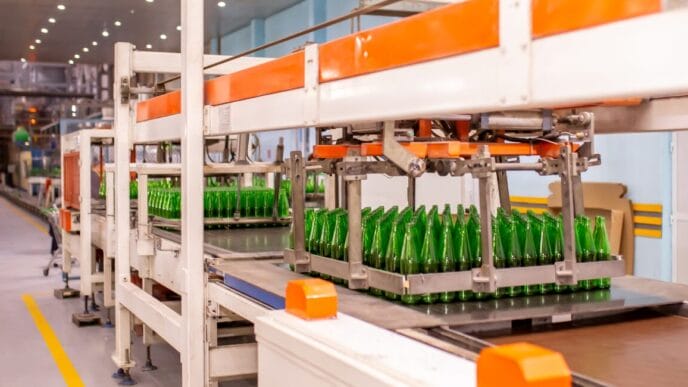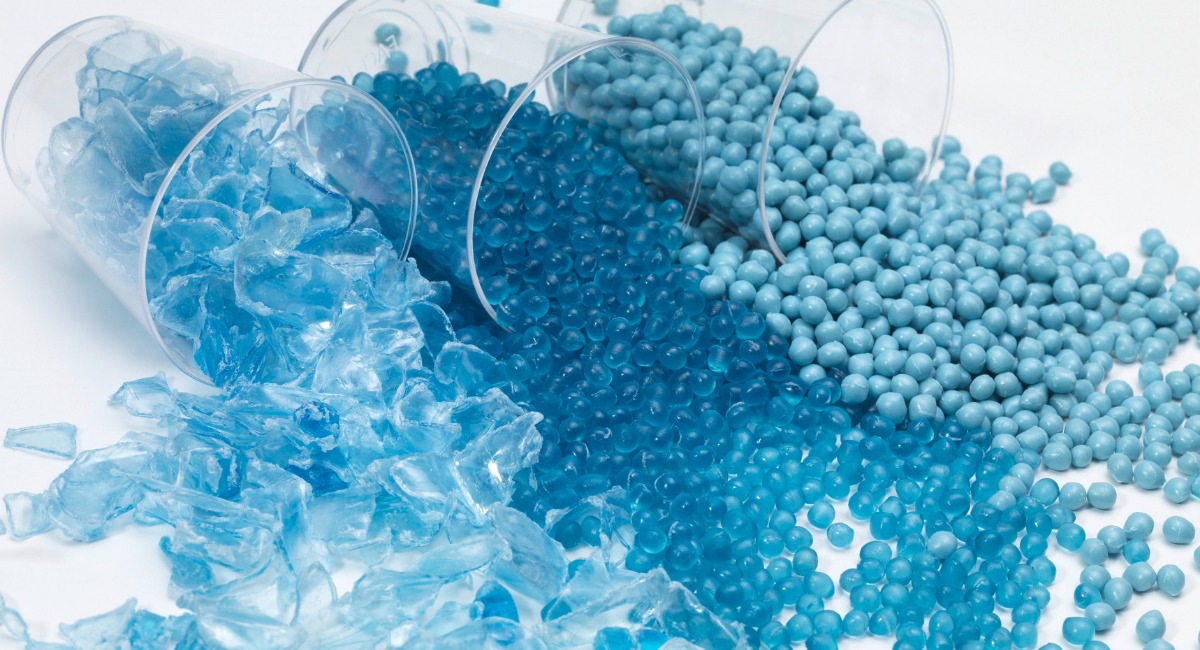
The demand for PET recyclate for plastic packaging is increasing across Europe. However, this increases the risk that not enough recycled raw materials of suitable quality will be available in the future. The IK Industrievereinigung Kunststoffverpackungen e.V. is therefore calling for the collection and recycling of PET beverage bottles to be expanded in the EU.
The German plastic packaging industry has been using recycled PET in drinks bottles for a long time, also to minimise CO2-emissions. With an average of Almost 30 per cent recycled content in PET beverage bottles the EU targets are already being met in Germany today, according to the industry association. Should there not be enough recycled PET available in the future, threat of a marketing ban on PET beverage bottles.
„Only a few countries in Europe have such an effective deposit system for PET drinks bottles as Germany. In order to ensure a sufficient supply of recycled raw materials for the industry, the separate collection and high-quality recycling of PET beverage bottles must be massively expanded throughout the EU.“ Dr Isabell Schmidt, IK Managing Director Circular Economy.
However, in view of the very different standards of waste management in the EU member states, the IK fears that the expansion of collection Not fast enough across Europe advance and therefore the demand for German bottles will increase.

Market for PET recyclate should be monitored by the state
The IK is therefore in favour of the Establishment of a European Market Observatory which is intended in particular to monitor the availability of PET recyclate in food contact quality. If recycled raw materials are no longer available in the required quantities and qualities at economically acceptable prices, the specifications for the use of recyclate should be suspended, according to Dr Schmidt.
Fears of a patchwork of regulations on single-use packaging
Manufacturers of plastic packaging are also very concerned about the differing implementation of EU regulations on single-use plastic packaging in the member states. These regulations were actually intended to stop the littering of the oceans by certain carelessly discarded single-use products.
However, a current draft for guidelines from the EU Commission on the interpretation of the often unclear European regulations greatly expanded the scope of the regulations: Not only to-go products for consumption outside the home would be affected, but also also many supermarket products such as yoghurt pots, where the risk of littering is very low.
„The regulations to protect the oceans are in danger of becoming a pawn in an ideological debate about plastic packaging.“ Dr Martin EgelmannManaging Director of the IK
In the interests of standardised packaging regulations throughout Europe and, above all, in the interests of effective environmental and climate protection, the IK Industrial Association for Plastic Packaging, that the implementation in Germany relates to such single-use plastic food packaging, which actually tend to be thrown away carelessly.
The German Packaging Act, which came into force in 2019, is already showing clear successes in the recycling rates of plastic packaging: For example the amount of recycled plastic packaging in the yellow bag or yellow bin has increased by 50 per cent within a year. This made it possible to achieve the very ambitious statutory recycling rate of 58.5 per cent.
Source: IK Industrievereinigung Kunststoffverpackungen e.V.