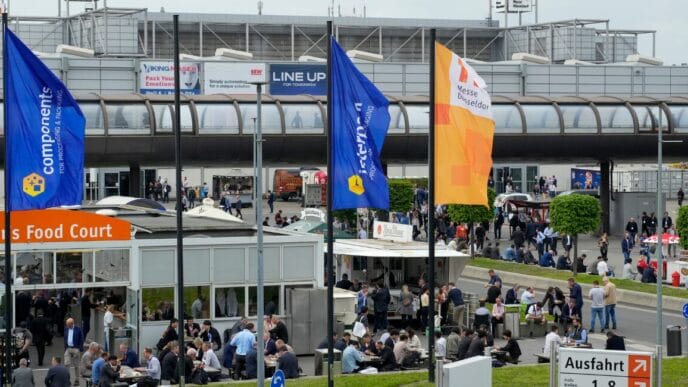
This year, the Glass Packaging Action Forum organised the Glass Trend Day in Munich. In addition to a top-class programme, the best new products packaged in glass from the food and beverage industry were once again awarded the „Product Innovation in Glass 2025“ - this year was the twelfth time the glass Möbius strip had been awarded.
At the start of the event Karsten Fuchs, Vice President of the Federal Association of the Glass Industry„Our industry is in a challenging situation, with high energy prices in particular putting a strain on companies. We therefore see the planned industrial electricity price as a signal that our situation has been recognised by politicians.“
 The current state of the German economy was also the subject of the keynote speech by ifo President Prof Clemens Fuest. „We are experiencing a phase of stagnation, now in its sixth year, which has never happened before. But Germany still has it in its hands, we just have to get moving.“ This also includes promoting innovation: Start-ups need to be given much more focus here.

From Carl Dominik Klepper from Allianz Verpackung und Umwelt (AVU) the participants were given a clear overview of the current state of Status of the PPWR. He also explained what the European Packaging Regulation means for the glass industry. The good news is that the industry is well positioned, as glass packaging is reusable, the use of recyclate in production is already high and recycling is established on a large scale.
The latest Shopper Insights were provided by Anna-Katharina Kraus from GFK/YouGov. One trend: „Health will be the topic in the coming years.“ And shoppers are prepared to spend more money on healthy products, especially if they are packaged in high-quality glass. Juice producer Voelkel, for example, has already achieved sales growth of 85 per cent with its healthy shots in glass. For many consumers, glass is also the most environmentally friendly packaging solution, according to a recent YouGov survey.
Product innovations in glass
A highlight of the event was once again the presentation of the nominees, the awarding of the winners and the vote for the public's favourite in the „Product Innovations in Glass“ competition. This year, the coveted prize was awarded for the twelfth time in a row. All companies in the food and beverage bottling industry can apply for the „Product Innovation in Glass“ with their new products packaged in glass. Start-ups as well as medium-sized companies and market giants can take part. One requirement is that the product packaged in glass must have been sold on the German market for the first time between 1 May 2024 and 30 April 2025.
But before that, the jury's scrutiny and judgement are required. It decides completely independently whether the concept is coherent, whether the design of the packaging and the content correspond, whether all legal criteria have been met, whether the content is convincing in terms of flavour and to what extent something really new and unique has been submitted here. Since the beginning of the competition, the jury has consisted of a three-member team that has remained unchanged, whose members each focus on very specific aspects and contribute their personal expertise: These are Dr Ulrich Nehring, Managing Director of Nehrung Consultants GmbH, Braunschweig, Achim Nieroda, responsible for technology at the German Brewers' Association, and Brigitte Bähr, a freelance journalist who has specialised in the packaging sector for 35 years.
Both the Glass Packaging Action Forum and the representatives of the jury are of the opinion that many other companies would also have good chances with their products in the competition. After all, there are always interesting examples, whether discovered on supermarket shelves, presented at events or promoted in advertising campaigns. More courage is simply needed here, and the statement: „We don't have anything special in our programme at the moment“ is very often too deep. And all submitters are advised to simply enter the programme again if a nomination doesn't work out. Perhaps in the end it was just one small thing that was decisive, and that is exactly what will change.
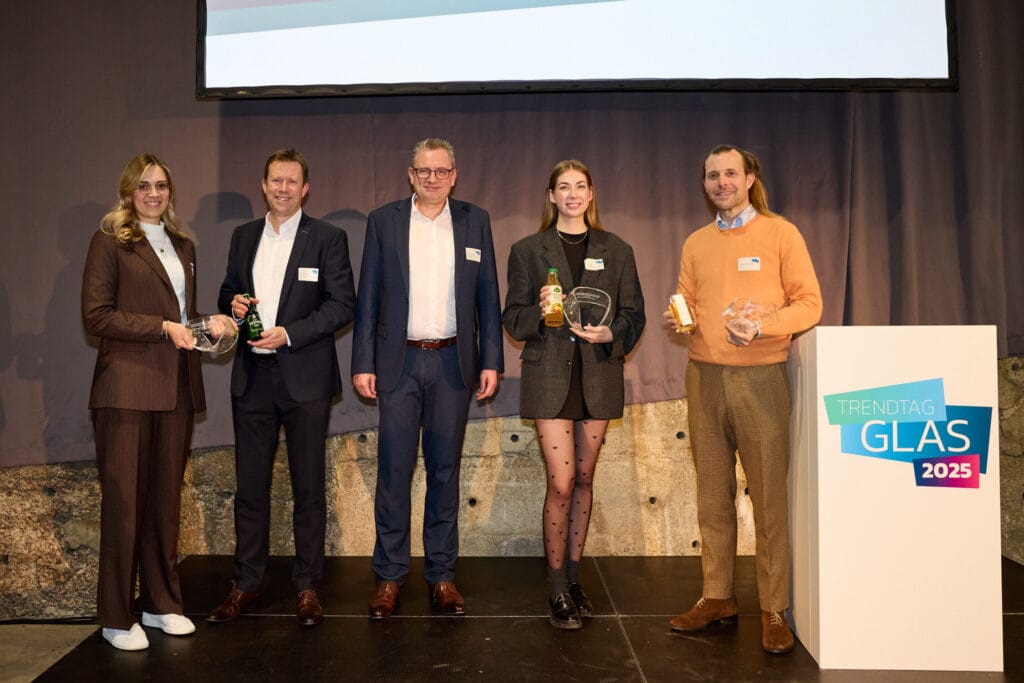
And the winners are ...
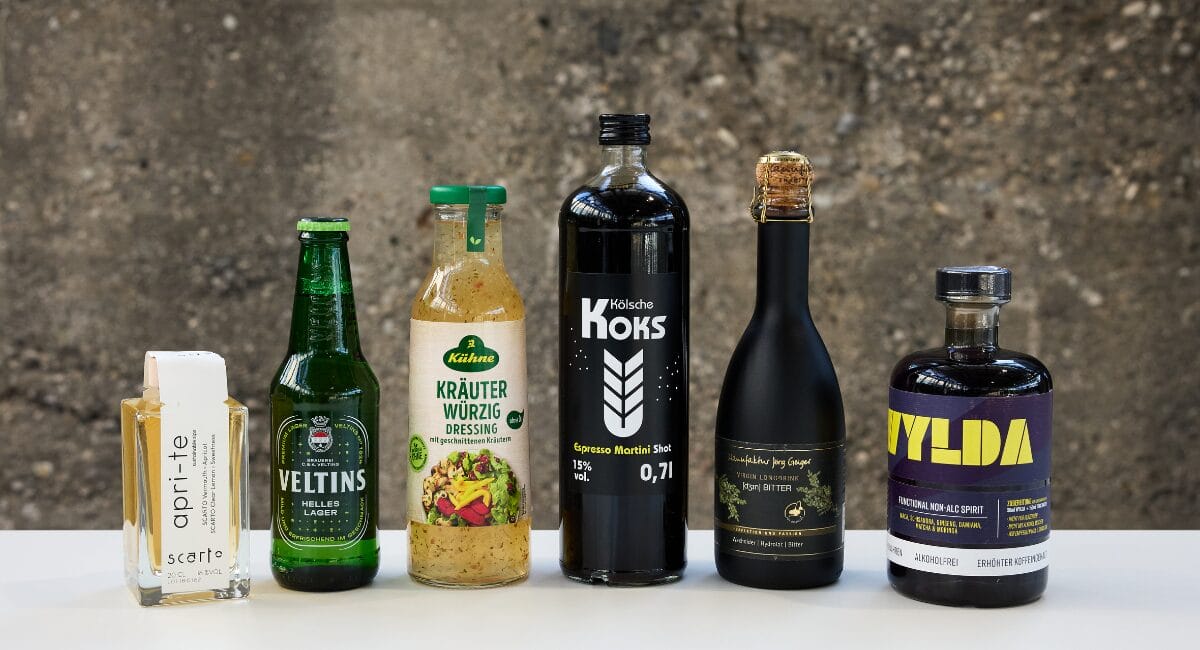
In this year's „Small Companies“ category, the young company Wonderland Spirits the race with his Ready-to-drink cocktail Scarto apri-te - and relies on a striking glass container: the angular bottle fits snugly in the hand, has a high-quality appearance and immediately attracts attention. The reduced, precise label with oversticker supports the clear lines of the bottle and ensures an elegant, individual premium appearance, according to the jury. The cosmetic look is broken up by the paper label and the closure with a wooden cap and leads „back to nature“, so to speak. This is where the philosophy of the Scarto brand is rooted and a consistent zero-waste concept forms the basis of the products.
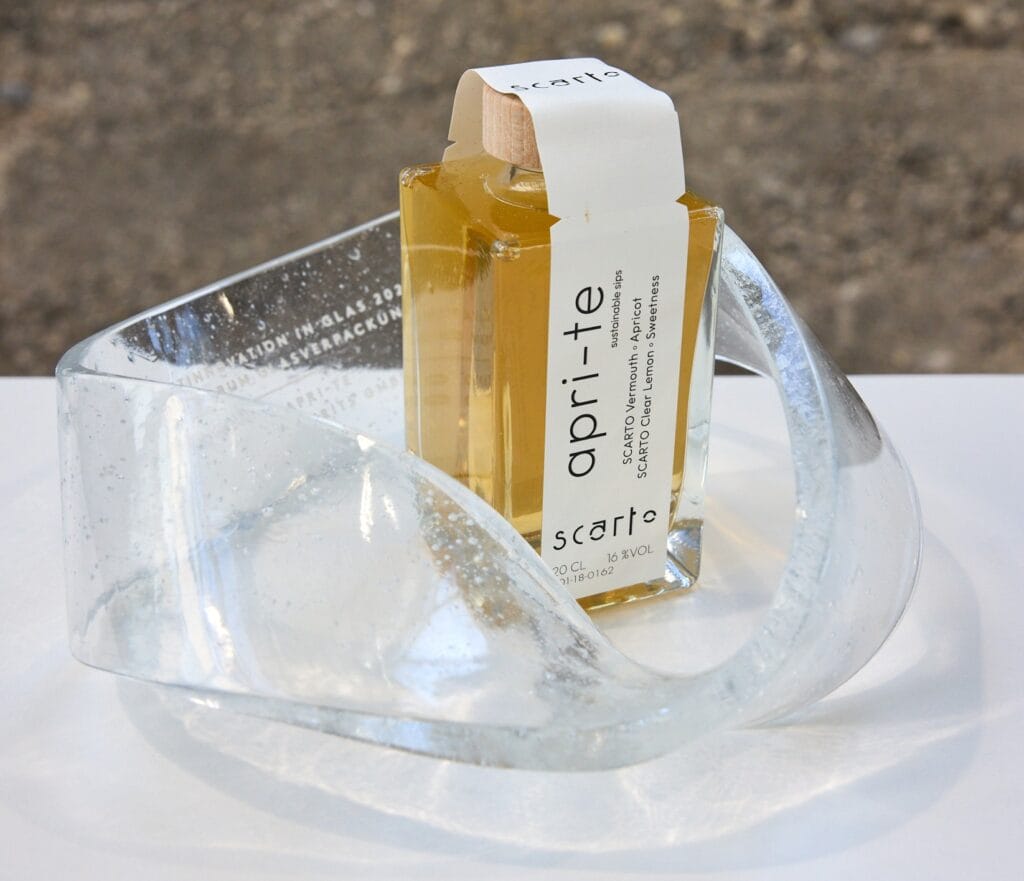
Company founder Carsten Steinacker is actually an architect, but was also a bartender with his own bar. „Sustainability hardly plays a role in this area, we often wasted a lot of food. That's why we developed our own concept and started producing the ingredients ourselves.“ The company offers five different types of drinkable cocktails in 200-millilitre bottles, which are still filled by hand. Soon, the handmade spirits will also be available in 500-millilitre glass bottles.
In the „Medium and large companies“ category, the C. & A. Veltins Brewery with their new Veltins Helles Lager to prevail. The green returnable bottle in the innovative 0.275-litre size ensures a fresh presence on the shelf and specifically appeals to a young target group that values sustainability and quality. „The new container size is still rather unusual in Germany,“ explains Product Manager Jenny Kersting. „The new format runs smoothly on our bottling lines and the diameter of the filler opening is also almost identical to the other bottle formats. However, the crate is a new development with a higher base so that the bottles can be removed easily.“
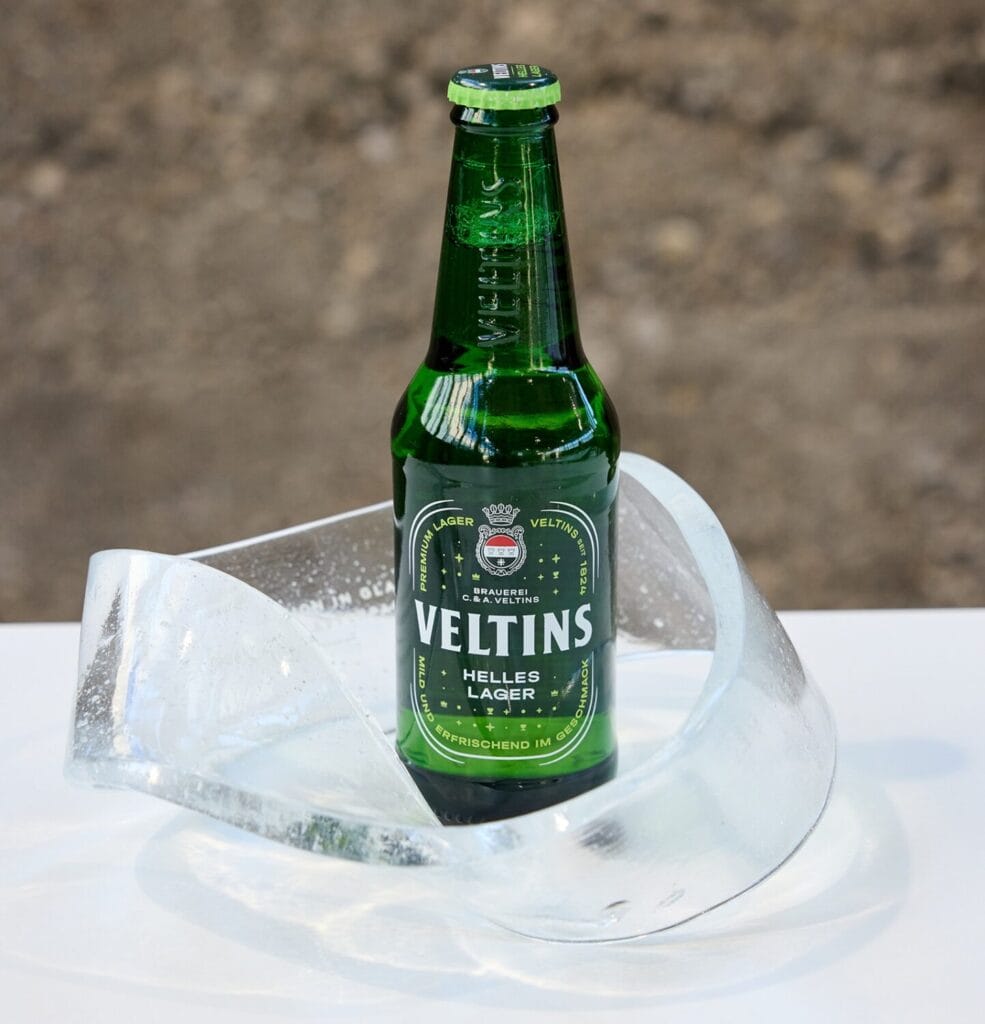
The jury praised the brand-conscious design with a contemporary twist. The simple, clear look in combination with the branded label and the characteristic Veltins brand make the product immediately recognisable without being obtrusive, according to the statement. The bottle is a real eye-catcher and stands out from classic beer packaging in terms of its aesthetics.
The participants of the Glass Trend Day chose the NextGen bottle the Carl Kühne KG as their crowd favourite. The company recently completely rethought the design of its dressing packaging and is now not only saving material thanks to the new round shape, but also optimising logistics. At the same time, production benefits from higher throughput on the filling lines. A clever step towards conserving resources along the entire value chain, according to both the jury and the audience.
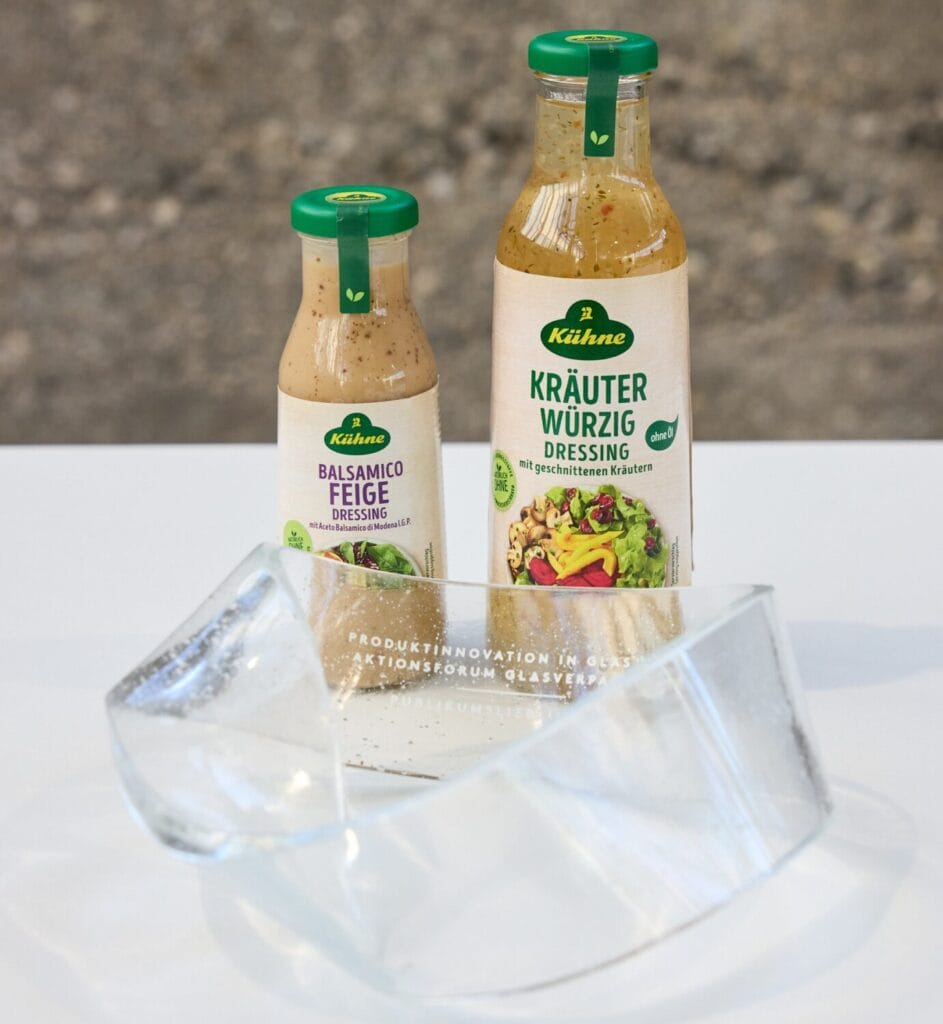
Packaging developer Maxi Hoyer reported on the journey of the new glass bottles - from the initial design ideas, prototyping and line integration to the market launch in March 2025. „Not only are we now appealing to a younger target group, we have also reduced the weight of the glass by around 28 per cent. This means we save 984 tonnes of glass per year. What's more, up to 192 more bottles now fit on one pallet.“ Despite the change, the design of the bottle remains unmistakably Kühne, with modern, clear lines. The jury recognised the bold step of replacing iconic packaging from 1973 with a more sustainable solution. The result is a well thought-out, efficient and environmentally friendly bottle that preserves the brand identity and at the same time represents a future-proof packaging solution. Kühne has also set itself ambitious targets: From 2030, glass production is to be CO2-neutral and hybrid glass with functional coatings will be used. Reusable systems are also already being discussed.
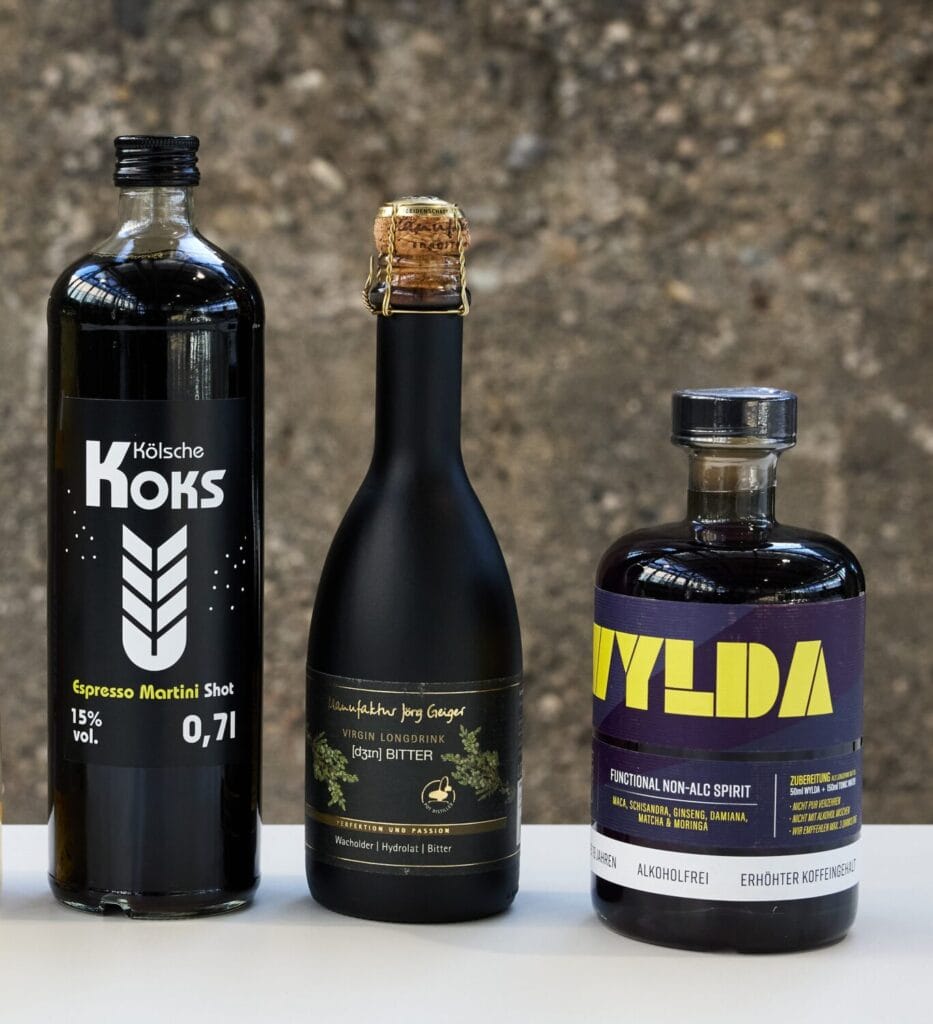
Also nominated was the Organic [dzin] Bitter non-alcoholic from the Manufactory Jörg Geiger, a hand-distilled hydrolat made from juniper, bitter orange and regional herbs. The jury particularly emphasised the elegant packaging: the glass bottle with high-quality cork and print creates an elegant, almost sparkling wine-like impression and underlines the brand philosophy of high-quality enjoyment.
The shortlist also included the Kölsche Koks Espresso Martini Shot of the Cologne-based company Cologne coke created. The jury found that the overall package consisting of a tall glass cylinder and a label in black to match the contents without any embellishments showed a clear message, strong recognisability and offered a high perceived value in the hand.
Also nominated: Wylda from Rhineland Distillers, a distillate made from botanicals without alcohol. Wylda stands out visually with its semi-transparent dark apothecary bottle: The fine dark grey sprayed glass allows the purple contents to shimmer through discreetly against the light. The clear, futuristic look of the label with the white „Warn“ stripe deliberately appeals to adults. The jury praised the combination of the high-quality glass packaging with a striking brand presentation.