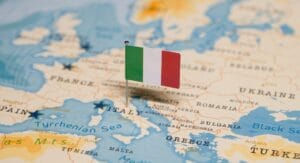
Italy wants an exception for compostable single-use packaging
For the packaging industry, the initiative is primarily relevant from a regulatory perspective.
Read more " 




For a good one in three companies in Germany the war is an opportunity to initiate measures for more sustainability or to strengthen them (34 per cent). And almost one in four companies state that they are focusing more on renewable energies as a result of the war (24 per cent). This was revealed by a representative Ipsos survey commissioned by the TÜV association among 504 companies with 25 or more employees.
„In addition to the climate crisis and the coronavirus pandemic, the Ukraine war and its consequences are increasing economic pressure. Disrupted supply chains, exploding energy prices and changing customer demands are forcing companies to focus on environmental and climate protection in their business activities.“
Juliane Petrich, Policy and Sustainability Officer at the TÜV Association
In addition to price, other factors such as security of supply and environmental compatibility are playing an increasingly important role in the use of energy. If you ask those responsible about the The most important reasons for investing in sustainable business, The top priority is reducing operating costs (46 per cent). In second place is compliance with legal requirements (43 per cent). This is followed by a better image (42 per cent), greater employee loyalty (37 per cent) and changing customer requirements (37 per cent).

„Sustainability is not an end in itself for companies. Investments in environmental and climate protection must also pay off economically. The sustainable transformation of Germany and Europe not only contributes to climate protection and climate neutrality by 2050 at the latest, but also makes the German economy more independent and resilient.“
Juliane Petrich
This awareness is becoming more and more prevalent. „At the same time, legislators must continue to ensure that climate and environmental protection are driven forward with appropriate regulations„, says Petrich. This would ensure planning security and a level playing field. EU projects such as the new Ecodesign Regulation, the Due Diligence Act or the revision of the Energy Efficiency Directive must be launched or implemented quickly.
In addition to setting ambitious requirements, the TÜV association believes it is at least as important that these are actually complied with. „Independent audits ensure that companies fulfil the legal requirements,“ says Petrich. This is also the view of the managers surveyed. Almost three out of four are in favour of external audits to monitor companies' compliance with legal requirements for environmental and climate protection can (72 per cent). Testing organisations such as TÜV are therefore making an important contribution to the sustainable transformation.
Source: TÜV Association e.V.