The Regionalfenster labelling on packaging provides consumers with information on the origin of goods. Over 5,000 products already carry the label. TÜV Süd is now an authorised certification body for the Regionalfenster.
When shopping for food, consumers are increasingly paying attention to regionally produced products. Factors such as organic production, seasonality and species-appropriate animal husbandry also play an important role today. Short transport routes also protect the environment.
According to the 2021 Nutrition Report by the Federal Ministry of Food and Agriculture (BMEL), it is for 82 per cent of respondents It is important to them that food comes from their region. This is particularly important for fresh fruit and vegetables, eggs, bread and baked goods, meat and sausage products and dairy products. A study conducted by the University of Göttingen in November 2020 also shows that consumers have consciously paid attention to regionality even during the pandemic.

Regional window offers regionality at a glance
The Regional window-labelling provides consumers with the most important information on the regionality of food at a glance. It shows where a product comes from, where it was processed and how high the regional share is. Food, flowers and ornamental plants can be easily labelled in this way. In the meantime over 5,000 products bear the seal of the regional window.
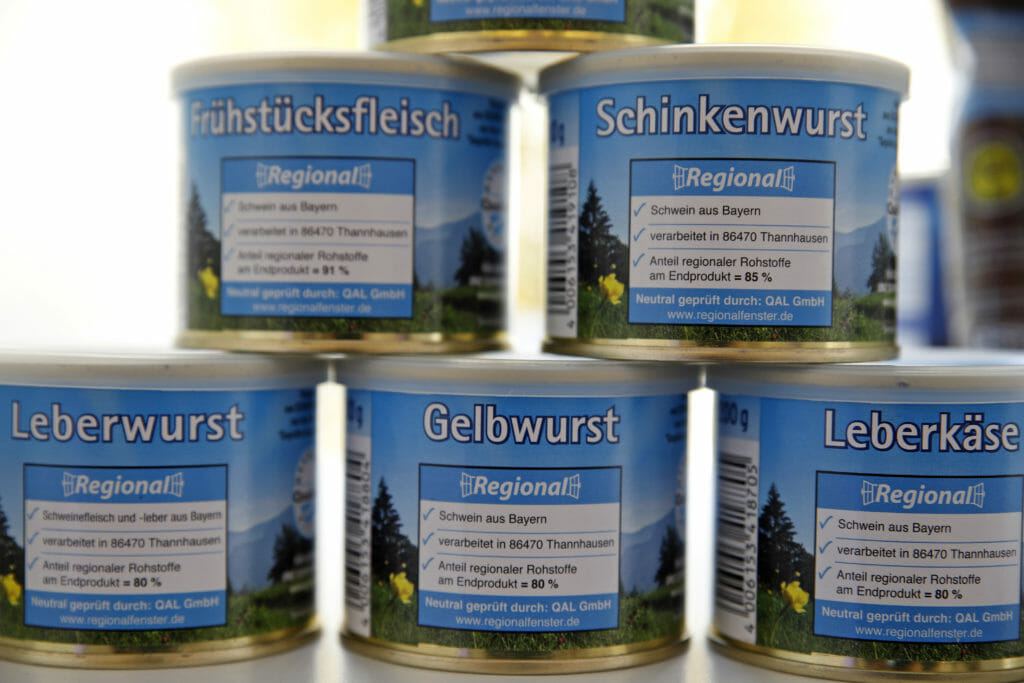
The Voluntary food labelling for regional products was launched in 2014 by the Federal Ministry of Food and Agriculture (BMEL) was officially presented. Regional initiatives, the food trade, agriculture and food retailers are represented in the Regionalfenster e. V. association. Licences for the Regionalfenster origin label are issued by Regionalfenster Service GmbH.
The information on regionality is provided by a Comprehensive testing and safety system regularly monitored across all stages of the value chain. The TÜV South is now a testing and certification body authorised by the Regionalfenster.
Source: TÜV South