In a recently published report, the Federal Environment Agency has confirmed the advantages of chemical recycling over the incineration of plastic waste. According to the report, the process can make a positive contribution to the circular economy and climate protection.
The report „Assessment of the potential and evaluation of thermochemical plastics recycling technologies“ published by the UBA at the beginning of November confirms the advantages of all the processes analysed compared to incineration. It is to be expected that This assessment has a significant influence on future investment decisions. will have. The report states: „Chemical plastics recycling can - in technically mature, energy-integrated and optimised systems - make a positive contribution to the circular economy. Greenhouse gas emissions can be reduced compared to thermal treatment.“
Carboliq welcomes the UBA's revised position on chemical recycling. The Remscheid-based company builds and operates plants for the oiling of high-calorific waste. The significant contributions of mechanical recycling emphasised in the report are undisputed, it says. Mechanical and chemical recycling should be seen as complementary. Decisions on investment and/or funding projects should be made on the basis of clear efficiency criteria. However, there are limits to the application of the chosen evaluation methodology. It often makes sense to use a cascade of first mechanical and then chemical processes. For waste that cannot be mechanically recycled, chemical processes must be used in the first stage in order to recycle the hydrocarbon resource.

The analysed Pyrolysis and oiling process were analysed and evaluated on the basis of operating data from current systems and comparative laboratory tests. The result the oiling processes performed relatively better. With the same level of technical maturity, the carboliq process is differentiated by a wider range of possible input materials and a higher liquid yield.
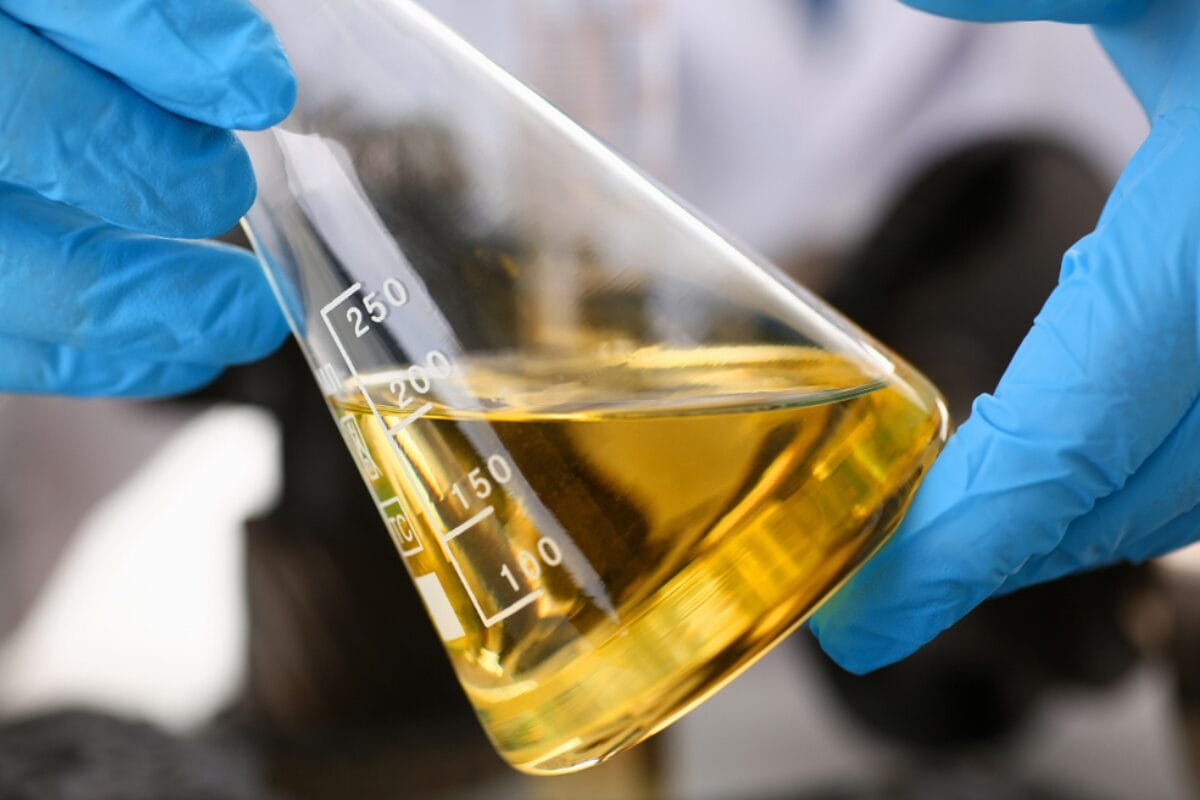
Carboliq operates a pilot plant at the waste disposal centre in Ennigerloh. So far, only thermally recyclable waste has been liquefied on an industrial scale. The oil is demanded as a „circular resource“ by the petrochemical industry and used as a raw material for the production of high-quality plastics.
Source: Carboliq