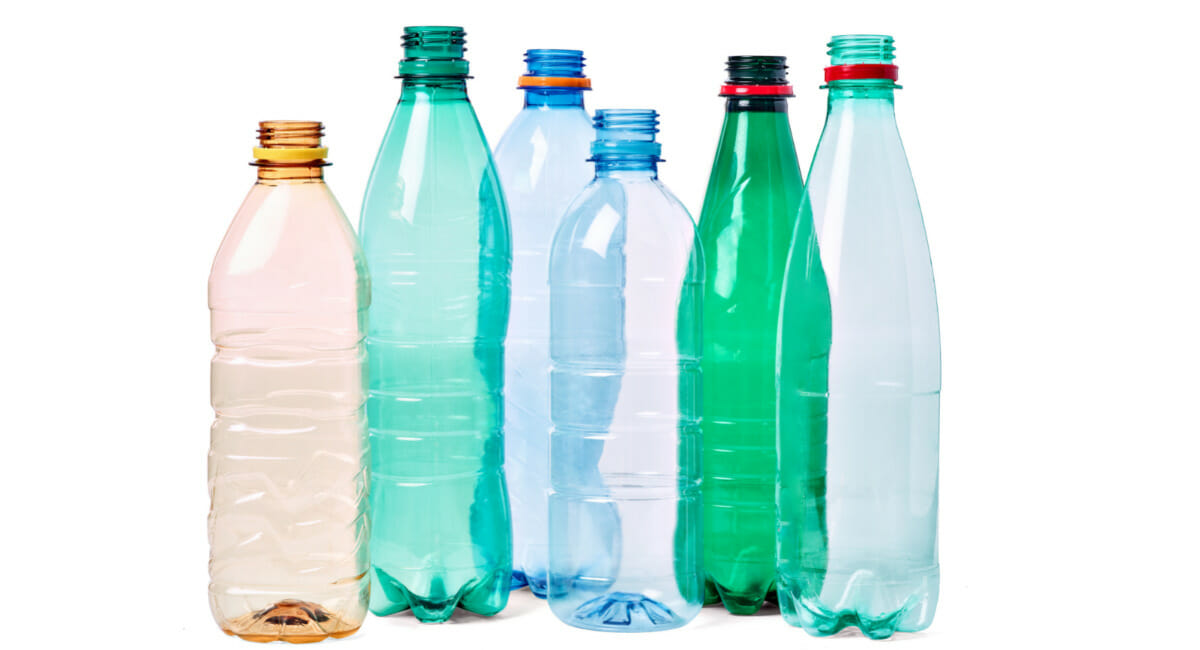
In Busan, South Korea, negotiations on a United Nations agreement to reduce plastic waste have come to an end without agreement. Some oil-producing countries had rejected the targets for plastic production. Negotiations are to continue unscheduled next year.
Experts believe that limiting production is one of the most important levers for curbing plastic pollution, because According to forecasts, plastic production is set to triple by 2060. Environmental organisations were disappointed with the outcome of the negotiations. The WWF, for example, is calling on the states to finalise the negotiation process as quickly as possible.
„Once again, the overwhelming majority of countries called for ambitious and binding rules to effectively combat plastic pollution and were thwarted by a few blockers. Global bans on plastic products and chemicals with a high risk of pollution, rules for better product design and a target for reduced plastic production were once again on the table in Busan. One a vocal minority of oil-producing countries and countries involved in plastic production, which has no intention of signing a truly substantive treaty, has been working for two years to undermine progress. It seems inevitable that the majority of ambitious states will have to bring about an „agreement of the willing“ by vote in order to initiate an end to the plastics crisis. The principle of consensus and global fairness is an important basic rule of global negotiations. However, it must not be abused. The few profiteers of unregulated plastic production must not be allowed to prevent the vast majority of countries, including those suffering the worst from plastic pollution, from agreeing on a solution among themselves,“ says Florian Titze, Senior Policy Advisor at WWF Germany.

Germany to assume a leading role
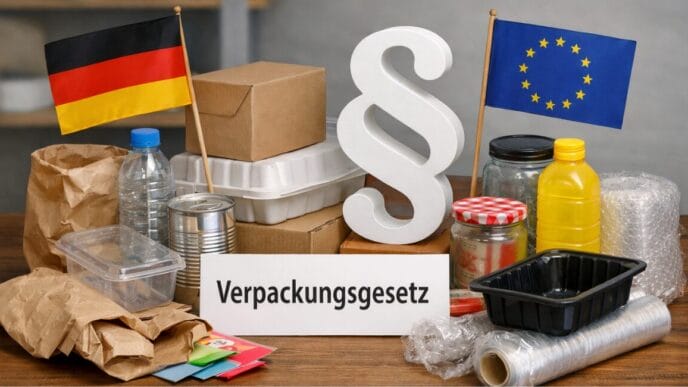
Barbara Metz, Federal Managing Director of Deutsche Umwelthilfe (DUH), expressed a similar view: „The global littering of nature with plastic is one of the biggest environmental problems alongside climate change. Every year, up to 23 million tonnes of waste end up in our oceans, rivers and lakes and microplastics can now be found in the human body, animals and plants. It is therefore all the more regrettable that no agreement could be reached in Busan on a UN treaty against plastic waste. Germany must advocate for a strong agreement with a binding target for reduced plastic production at the next round of negotiations in 2025. However, the littering of the environment must not be put on the back burner. It is therefore all the more important that Germany takes a leading role and demonstrates the right solutions now. After all, at 227 kilograms per capita per year the second most packaging waste in Europe caused. An effective way to combat the flood of waste is to promote low-waste reusable packaging, which saves unnecessary plastic waste every time it is reused. The future German government should therefore levy a tax of at least 20 cents on single-use beverage packaging such as plastic bottles and 50 cents on single-use takeaway packaging.“
In March 2022, almost 200 UN states agreed to adopt a joint resolution to curb plastic by the end of 2024. The agreement was prepared over a period of almost ten years. According to the UN, around 400 million tonnes of plastic waste are produced globally every year, and the trend is rising. According to the Federal Environment Agency, almost six million tonnes of plastic waste are produced in Germany.
„It is fatal that the blockade of some states has prevented the conclusion of the global agreement against plastic pollution. Increasing amounts of plastic are accumulating in the environment. Plastic pollutes our oceans and drinking water, it threatens people's health and jeopardises the lives of animals, and it exacerbates the climate crisis. At least one thing became very clear in Busan: the vast majority of countries want an agreement that works. And this group is growing. I will continue to work in favour of closing ranks with these countries in all regions of the world. When the negotiations continue in a few months, the blockade of the oil-producing countries must be broken.“
Steffi LemkeFederal Minister for the Environment
European plastics producers focus on the circular economy
Plastics Europe, the association of European plastics producers, is calling on the negotiators of the UN Plastics Convention to maintain their ambitious course, even after the provisional end of the negotiations in Busan. The negotiations on the UN Plastics Convention will continue in 2025.
„Although we had hoped for an ambitious, implementable and legally binding agreement in Busan, we are nevertheless seeing progress in the negotiations. Although it has not yet been possible to agree on a final text, there are already clear convergences on several points in the draft, the Chairman's non-paper, particularly on the topics of product design and waste management.“
Virginia Janssens, Managing Director of Plastics Europe AISBL
Since the start of the negotiations, Plastics Europe has emphasised the importance of Cooperation between governments, industry and civil society for achieving a global arrival and emphasised the need for negotiators to focus on finding common solutions to achieve a fair and ambitious plastics agreement.
The association is of the opinion that the agreement should promote measures on a global scale to strengthen the sustainable production and use of plastics, ensure effective waste management and create a reporting framework that provides a enables a fair transition to a circular economy for all stakeholders. „A circular economy in which plastics are not seen as waste at the end of their life, but as a raw material - as a valuable resource that can be reused instead of being carelessly disposed of, landfilled or incinerated.“
Sources: WWF/DUH/BMU/Plastics Europe