Memjet: Utilising digital printing as a business opportunity
Digital printing is not only experiencing strong growth in the labelling sector, but also in the corrugated board, folding carton and flexible packaging sectors. The focus is therefore also on the inks used.
15 June 2020
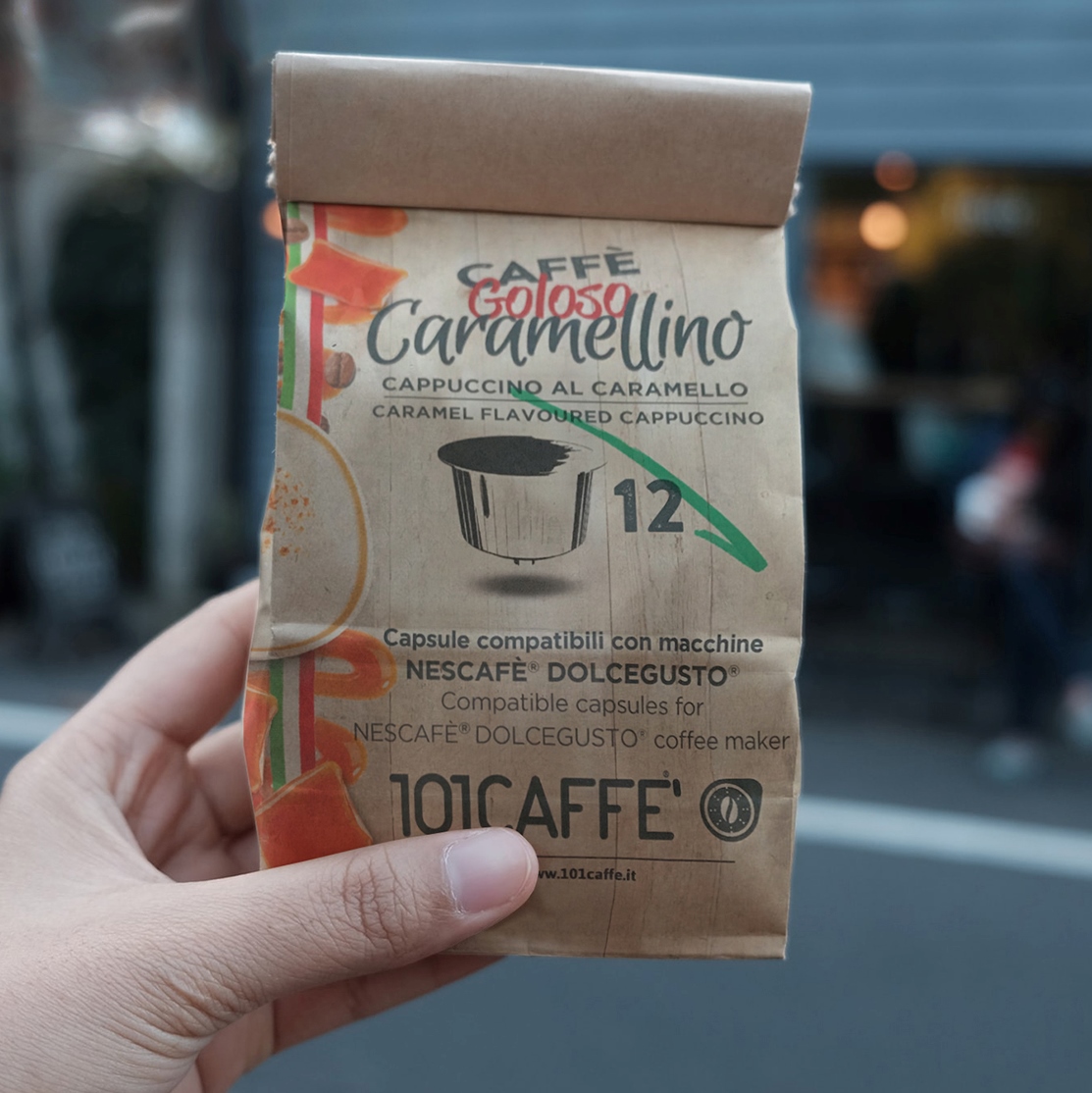
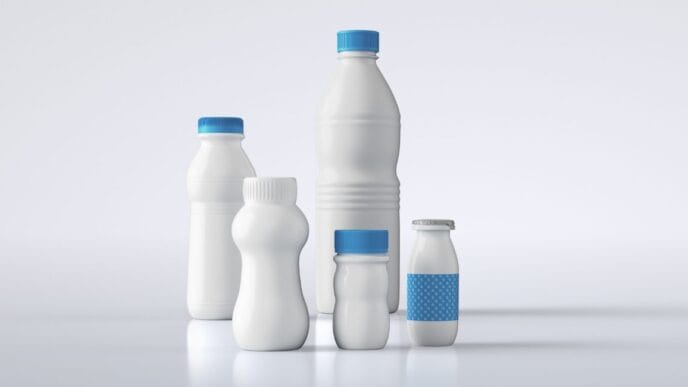
Printing technologies to create customised products and packaging that attract attention and create an emotional connection with a brand are essential. (Image: Memjet)
The transformation in label and packaging printing is progressing and is experiencing a further boost during the coronavirus crisis. Digital printing gained an early foothold in the labelling sector. Now it is also experiencing strong growth in the corrugated board, folding carton, flexible packaging and direct printing sectors. The focus is therefore also on the inks used.
The COVID-19 crisis once again illustrates how influential packaging has become. As long as people are isolated at home, packaging is the only Physical connection of many branded companies with their consumers. This crisis may be unprecedented, but it draws attention to a trend that is constantly growing: Labels and packaging must create a connection, that inspires consumers and encourages them to buy more products.
The right printer and the right ink
But what is the reason for the strong growth in digital printing and what specific issues need to be considered when choosing inkjet inks for packaging printing?
Gianluigi Rankin, Director of Product Management at Memjet (Image: Memjet)
„Today, label and packaging manufacturers primarily have two digital printing technologies to choose from: Inkjet and toner. In inkjet printing, there are three types of ink: UV, solvent and water-based inks. Before a packaging manufacturer can make the relevant choice for their business model, they have to consider various questions: What should be printed? How much money and what resources can be invested in digital printing? What is the return on investment? These questions must also take into account the Type of ink used duly taken into account,“ emphasises Gianluigi Rankin, Director of Product Management at Memjet.
Display
Water-based inks are a good entry point for suppliers and manufacturers who are either switching to digital printing or looking to expand their current digital offering into applications where ink safety is important. Water-based inks are Free from harmful substances, such as those found in UV-curing inks, solvent inks and toners. They are therefore considered more environmentally friendly.
The properties of water-based inks offer users greater overall flexibility in the production of small to large quantities high-quality just-in-time labelling and packaging. The advantage of printing with water-based inks is that smaller droplet sizes are used. They enable smooth colour gradients and a high level of detail. They are also suitable for printing on materials with a white or light-coloured surface.
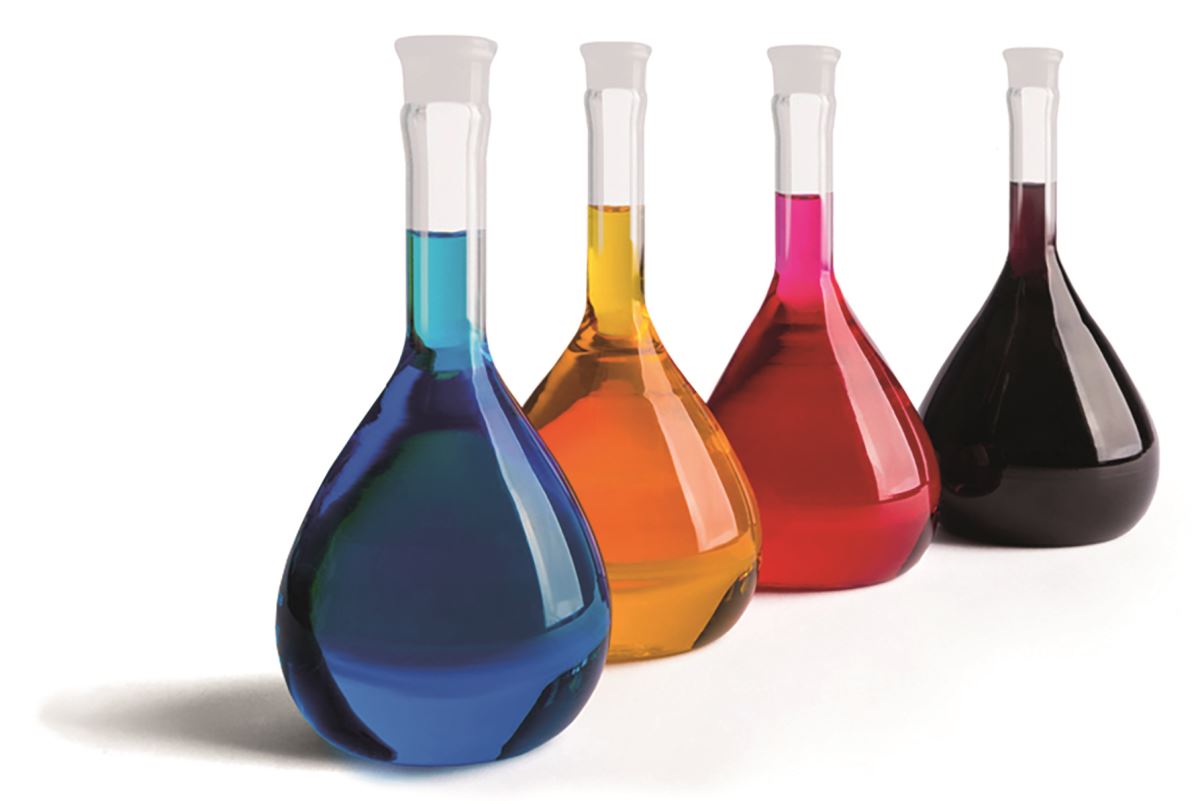
Every packaging or label printing service provider should start with the safest ink possible: water-based. (Image: Memjet)
The use of UV and solvent inks and toners requires adequate ventilation, proper handling and expensive additional equipment. These factors are generally not a problem for professional service providers. Nevertheless, these types of inks can sometimes cause problems if they are used in the same room where food products are prepared, for example.
In contact with food
„Many of the packaging and labels produced today are used in the food sector,“ says the expert. A whole range of parameters have an influence on whether the labelling used Printing ink suitable for labelling foodstuffs is: the packaging, the food itself and the way it is transported, stored or consumed (e.g. straight from the pack, after reheating in the pack, etc.).
In Europe, many suppliers find this complex topic very difficult. This is due to the fact that the legal situation regarding the printing of materials for food use is not clearly formulated. Although the Framework Regulation (EC) No. 1935/2004 and Regulation (EC) No. 2023/2006 on good manufacturing practice must be complied with when printing colours, these regulations contain Little concrete information on printing inks. Many print service providers therefore refer to other sources, such as the Swiss Consumer Goods Ordinance or Nestlé's guidelines.
„Because the safety of food packaging is not standardised globally, it is advisable for packaging or label printing service providers to initially work with the safest printing inkThe water-based inks contain lower levels of contaminants that can migrate from the ink, affect the food or food safety, or change the appearance and flavour of the food,“ Rankin continues.
The water-based inks used by the US manufacturer Memjet in its inkjet printing technologies consist of about 70 per cent water. They are free from phthalic acid esters, benzophenone, BPA, SVHCs, heavy metals and mineral oil aromatic hydrocarbons (MOAH). They are therefore generally well suited for use with food and are easier to handle in a small printing or production facility.
Water-based inks are free from harmful substances and reactive chemicals and are a solid starting point for applications in the food packaging sector. (Image: Memjet)
Durability and service life of labels
The terms shelf life and durability have different meanings in the various labelling and packaging markets. In the case of food and beverage labels, it must be ensured that a label or packaging does not fade, i.e. lightfast and can also withstand humidity and low temperatures in frozen food departments and chiller cabinets. These labels and packaging must also withstand the stresses and strains that occur during transport. Withstand loads.
Print service providers can use their food-safe, water-based printing inks Combine with many media and coatings/laminates, to produce high-quality labels or packaging and at the same time achieve the shelf life required for storage on the shelf or in the refrigerator.
For other products, such as labels for industrial products or hazardous goods, a much more Higher durability required. The labelling on labels of this type is generally Protected with additional varnish. Thanks to this protective layer, the labelling can withstand even the harshest environmental conditions so that anyone handling hazardous goods is aware of the dangerous nature of the packaged product. Water-based inks are often a good choice when using protective coatings because the coating adheres better to them.
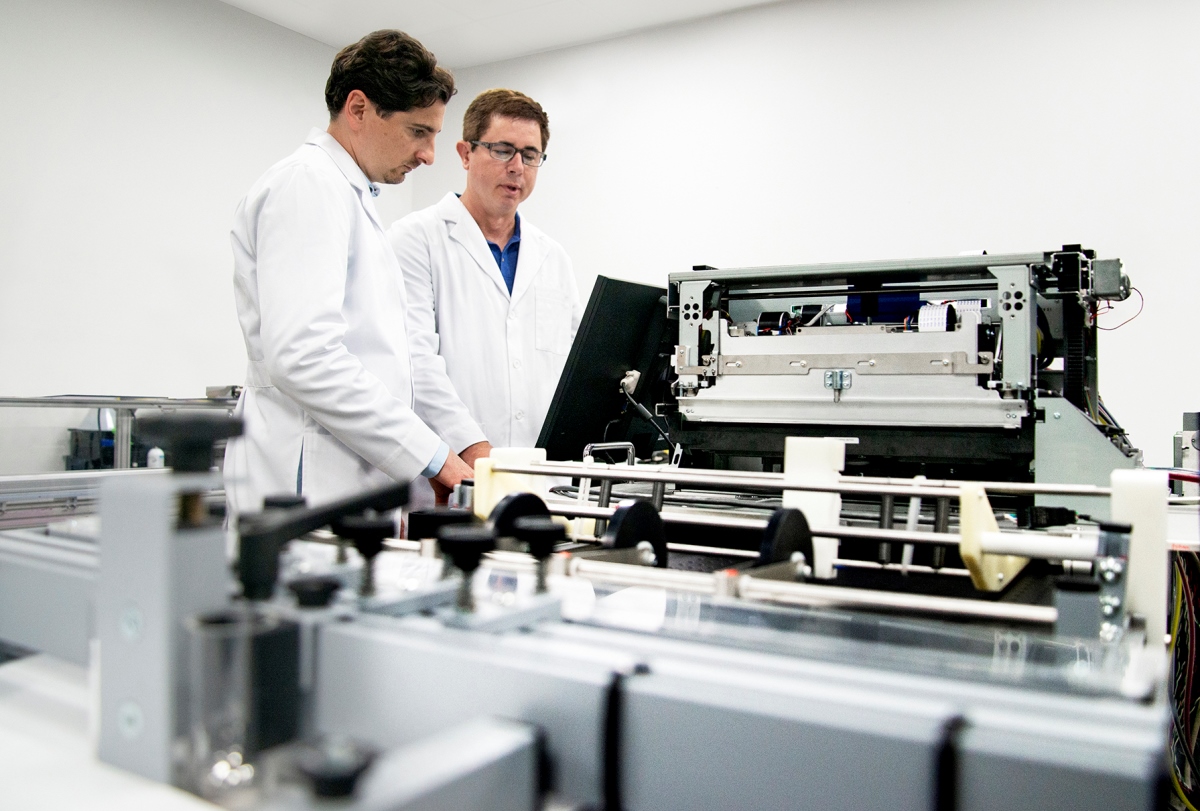
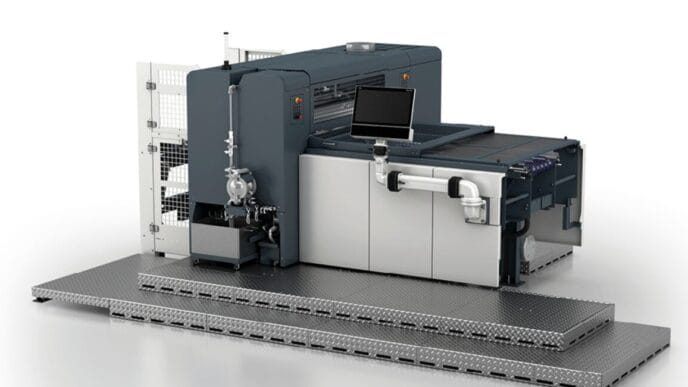
Memjet DuraFlex™ technology provides OEMs with a powerful and compact single-pass printing module that can be used to develop printing solutions with the speed and quality required in today's market. (Image: Memjet)
Successful with printing inks
„Label and packaging manufacturers are faced with an ever-growing list of technologies and inks that they need to familiarise themselves with. This can be daunting,“ summarises Rankin. „So that they can Competitive To stay ahead of the competition, they need to know more about the inks they use in their presses and on their labels and packaging. Ultimately, this knowledge gives them a head start, better decisions for their companies, their customers and the end customer.“