Barilla has been working with Vetropack for years to make glass packaging lighter and increase the proportion of recycled glass.
1 October 2025
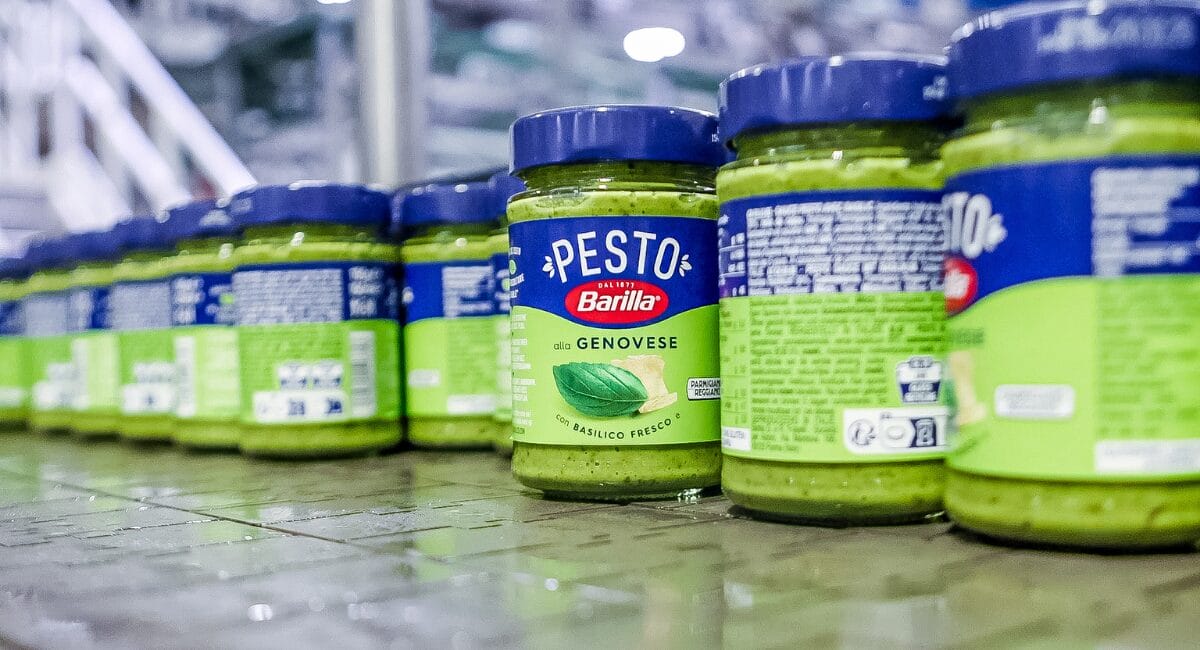
Barilla focusses on fresh ingredients, gentle processes and glass packaging with a higher recycled content. (Image: Barilla)
packaging journal AUDIO - Listen to this article:
0:00
0:00
Packaged, improved, reliable: the Italian food group Barilla has high standards when it comes to the quality and service of its suppliers and is constantly striving for improvements. Barilla has been working very successfully with Vetropack for years. Together, they are working on making glass packaging lighter and increasing the proportion of recycled glass.
Pasta, bread, snacks: Barilla is undoubtedly one of the world's best-known food brands and is the global market leader in the pasta segment. The company, based in Parma, Italy, can look back on a history of over 140 years. The company was founded in 1877 by Pietro Barilla Sr. who laid the foundations with a small bakery for bread and pasta. Despite initial setbacks, the family succeeded in rebuilding the company. As early as 1910, Barilla began to focus on industrial production and built a factory that produced around 80 quintals of pasta a day: an important step on the way to the modern food industry.
In the years that followed, Barilla developed into a pioneer in terms of product quality, branding and innovation. Under the leadership of Petro Barilla (1913-1993), the focus shifted to advertising campaigns, packaging design and efficient production processes. This not only enabled a strong market position in Italy, but also successful expansion into other European countries.
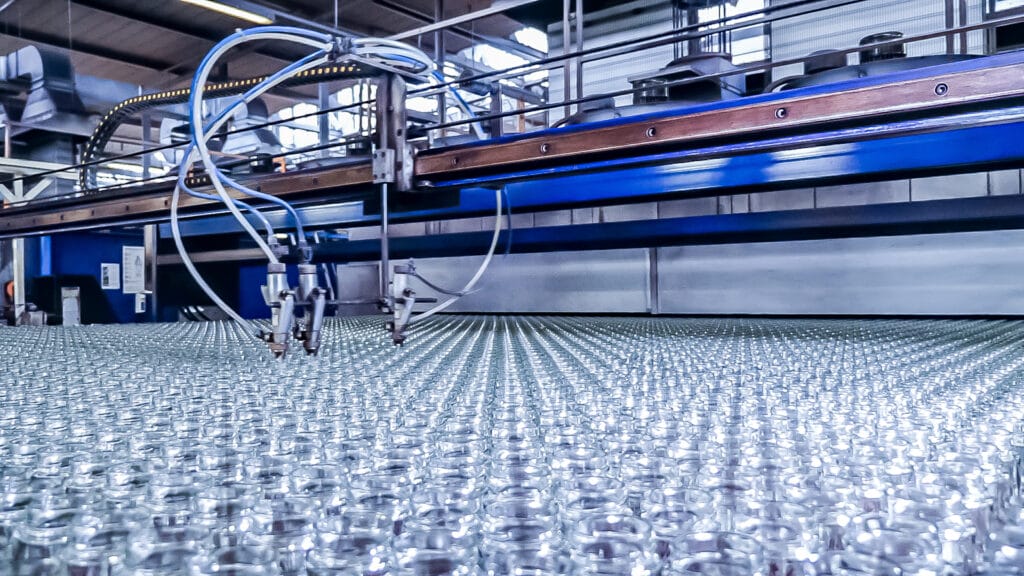
The containers are fully inspected before filling. (Image: Vetropack Group)
No compromises
The Barilla philosophy is based on the following meaning and purpose: "The joy of food for a better life". Not compromising on quality and protecting the consumer comprehensively are among the company's core values. Guglielmo Bozano, who has worked for the company since 1997 and has been responsible for purchasing packaging since 2000, explains what this means in practice.
Display
(Image: Barilla)
"We select materials very carefully and reduce packaging materials from cardboard to plastic and glass to what is absolutely necessary. This allows us to conserve valuable resources and continue to pack high-quality food in high-quality packaging. We are always looking for innovations and further opportunities for improvement."
Glass packaging is mainly used for pesto and sauces. Barilla is also striving for continuous improvement in this area. The partnership with Vetropack plays an important role here. The two companies were already working together when Bozano began purchasing glass. "Our demands on quality and service are high. And we expect our partners to support us competently in the development of new packaging," he emphasises.
A ten per cent reduction in weight means raw material savings that work. (Image: Vetropack Group)
Barilla relies on strong partners
Bozano sees two main aspects in the optimisation of glass packaging: Material savings and a higher proportion of recycled glass. "When we develop new glass packaging, our first priority is of course to avoid potential problems. With the experience that the suppliers and our own teams gain, we can then implement targeted optimisations. With the 400 gram jar for sauces, we achieved a weight reduction of ten per cent after around five years. That was a first step."
Another successful project was the development of a 525 gram jar, also together with Vetropack. The aim of the right-weighting approach is to find the optimum weight of glass packaging for the desired performance. All the requirements of the value chain are incorporated into the new design. In addition to branding, product protection and performance criteria such as strength and quality, the requirements of bottlers, technical feasibility and, last but not least, environmental aspects must also be taken into account. This means that the glass packaging is not too heavy or oversized and no material is wasted. "Right from the start, Vetropack demonstrated its expertise and found the right shape. The glass has shown no weaknesses or breakage problems," explains Bozano. The proportion of used glass is also an important factor for energy consumption and CO2-emissions in production. This can also be considered from the outset during development.
Bozano has been involved in the collaboration for over a decade and particularly appreciates the pragmatic proximity of both companies: "As a family business, we have the same approach. What matters to me is openness and working together as equals - that works smoothly with Vetropack."
Recycled glass as the future
In future, Barilla wants to focus on increasing the proportion of recycled glass. "Initially, we only used classic, transparent glass. When I visited a supplier, I noticed glass with a slight tint. That aroused my curiosity. After thorough research and in collaboration with Marketing, we realised the benefits. We are currently continuing to work on this. I have always been convinced that the future lies in the use of more and more recycled glass," says Bozano.
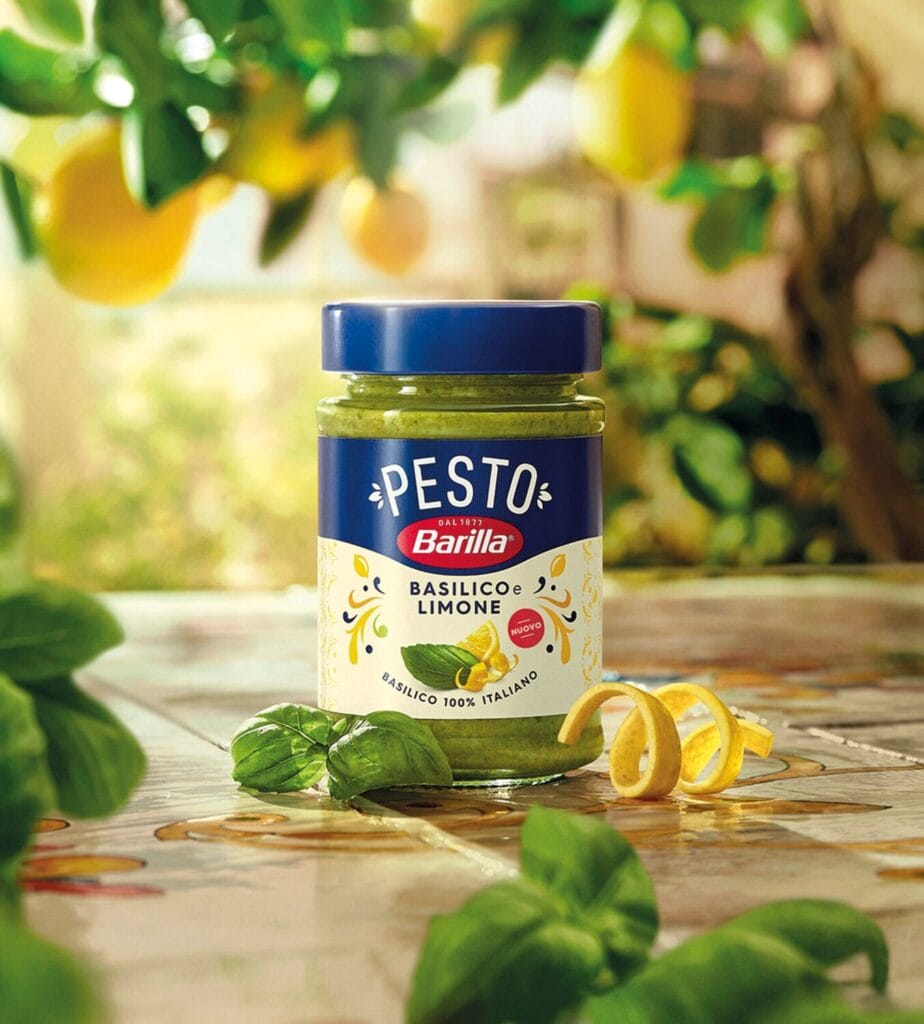
(Image: Barilla)
Continued growth
In the current market environment, Barilla is facing great competitive pressure. The corporate strategy includes clear targets for each division for the next three to ten years; the focus is on increasing efficiency and optimising costs. In sauces and pesto, expansion into new markets remains the primary goal.
At the same time, the demands on supply chains and sustainability are increasing. Barilla has launched specific initiatives to make its production increasingly sustainable. In the last three years, the company has tripled the output of its photovoltaic systems at its Italian production sites to generate its own electricity from renewable energy sources and plans to triple this capacity again by 2026. Reducing emissions, increasing energy efficiency and making production more independent are just some of the commitments Barilla has made. These measures are part of the comprehensive sustainability plan as part of the Science Based Targets Initiative (SBTi).
Sustainability is at the centre of Barilla's corporate strategy, which is also geared towards further growth. In order to promote this growth, the successful partnership with Vetropack could be further expanded in the future.
packaging journal 4/2025
This article was published in packaging journal 4/2025 (September).