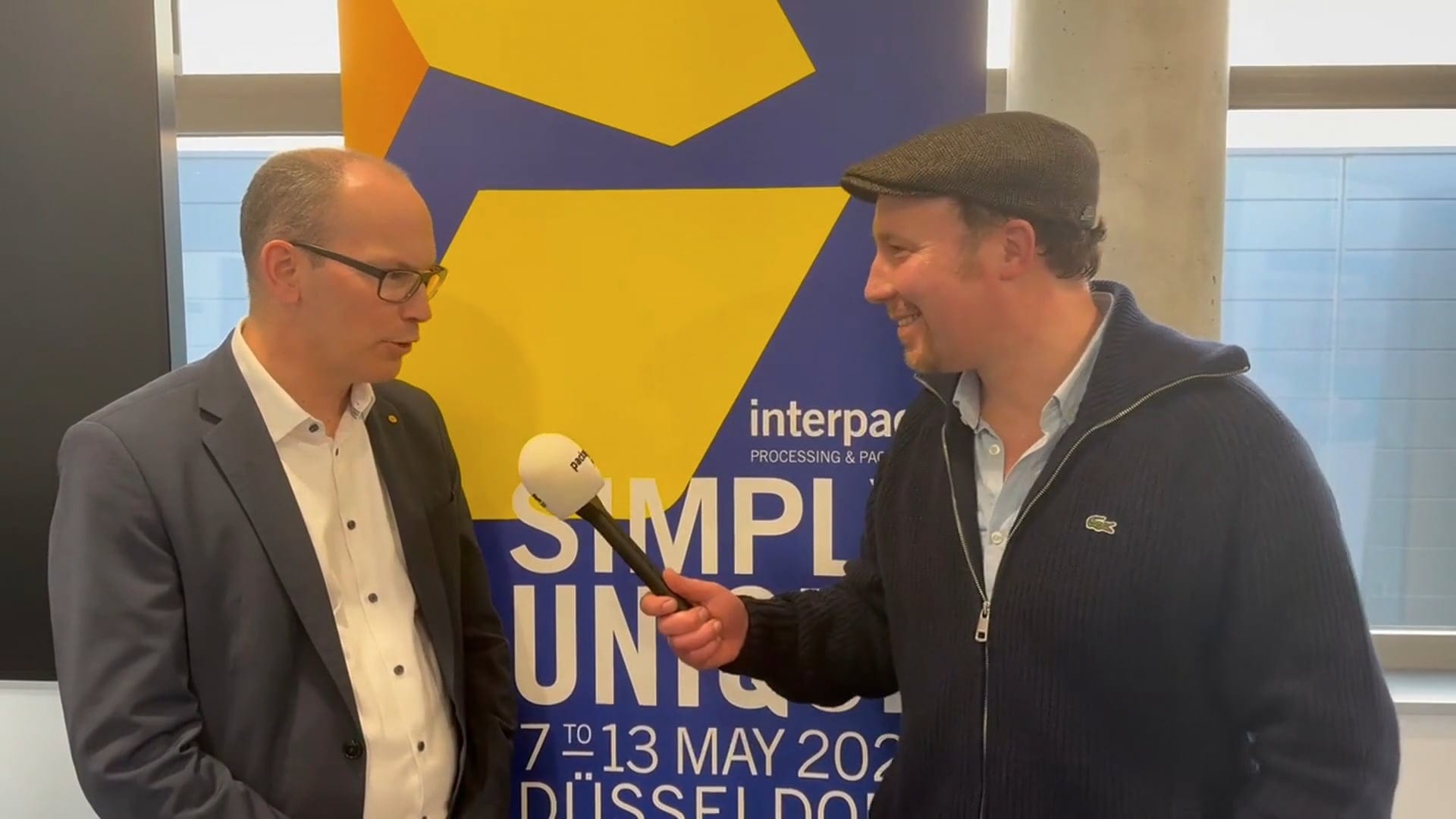
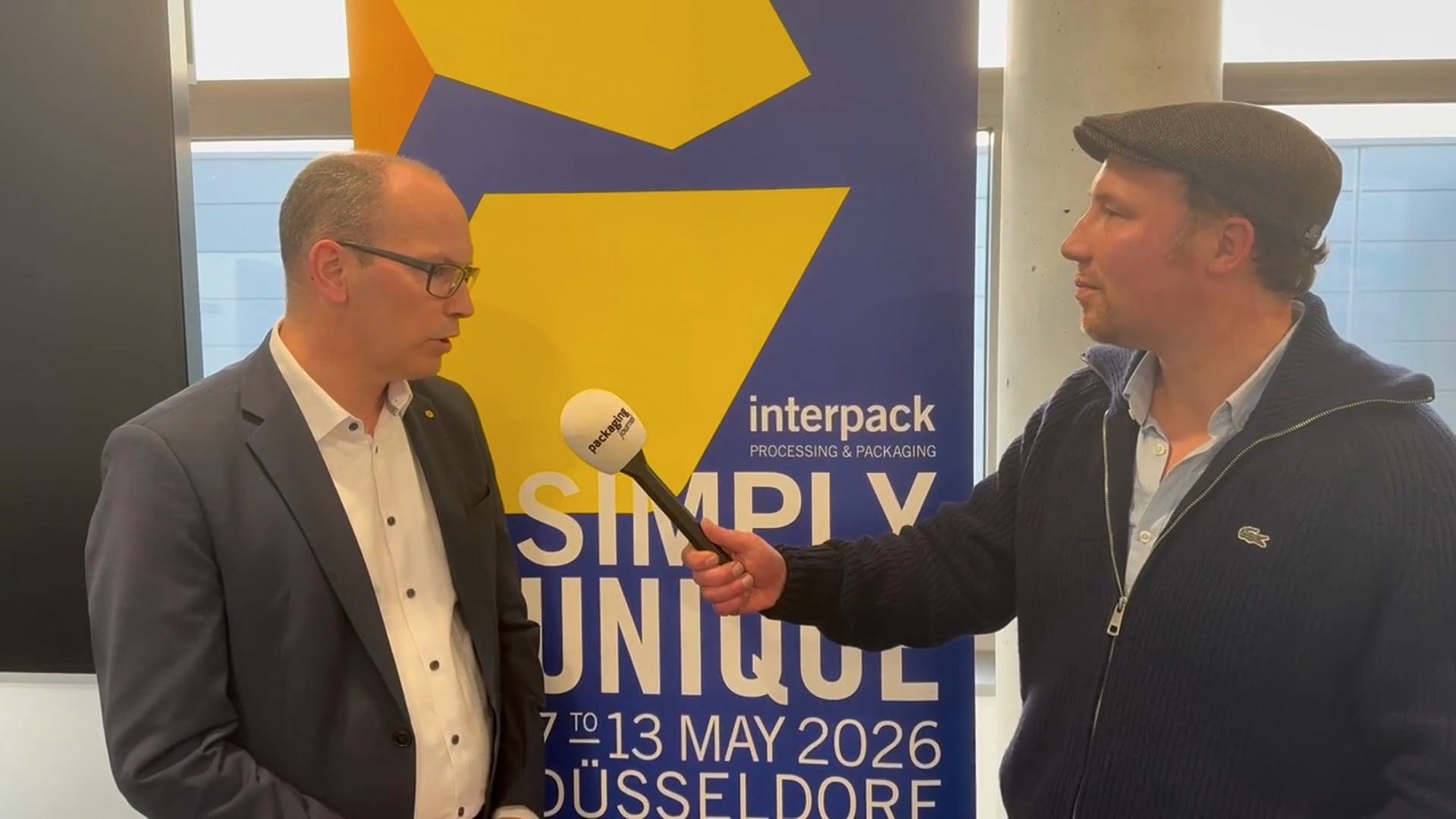
How does a global company like IKEA manage to develop sustainable packaging that simultaneously fulfils logistical requirements and global markets? At the German Packaging Congress 2025, we talk to Allan Dickner, Senior Packaging Manager at IKEA Global, about the company's packaging strategy in a rapidly changing world.
The discussion centres on the challenges and opportunities of packaging development in a global company. It quickly becomes clear that flexibility alone is not enough - agility is crucial.
👉 „Flexibility does not automatically mean agility. Large companies have long change cycles - that's why we have to think ahead and adapt early on.“
IKEA has always focussed on innovative packaging solutions - even the flat-packed furniture concept was a first milestone in terms of sustainability. Today, the choice of the right materials plays an even more central role. More than 90 % of IKEA's packaging is now made from wood fibres.
👉 „The Scandinavian way of thinking has always been sustainable - long before the term sustainability was even coined.“

A particularly interesting point in the interview: How do political regulations influence the packaging strategy? While many companies are coming under pressure from new regulations, IKEA remains calm.
👉 „We're not panicking - we're well prepared. Planning security is important, but we know how to deal with change.“
Sustainability is not just a strategy for IKEA, but a fundamental principle. The close connection to the Scandinavian forest and paper industry characterises the company's approach to packaging.
👉 „Sweden and Finland have a long tradition in forestry - the topic of sustainability is deep in our DNA.“
What's next for sustainable packaging? What role do new materials and innovative design approaches play? And what lessons can other companies learn from the Scandinavian approach?