The efficient use of raw materials is important for environmental and climate protection. This is taken up by the European Week for Waste Reduction 2019, which, under the motto „Appreciate instead of throw away“, raises awareness of how to handle everyday objects more consciously and use resources sparingly.
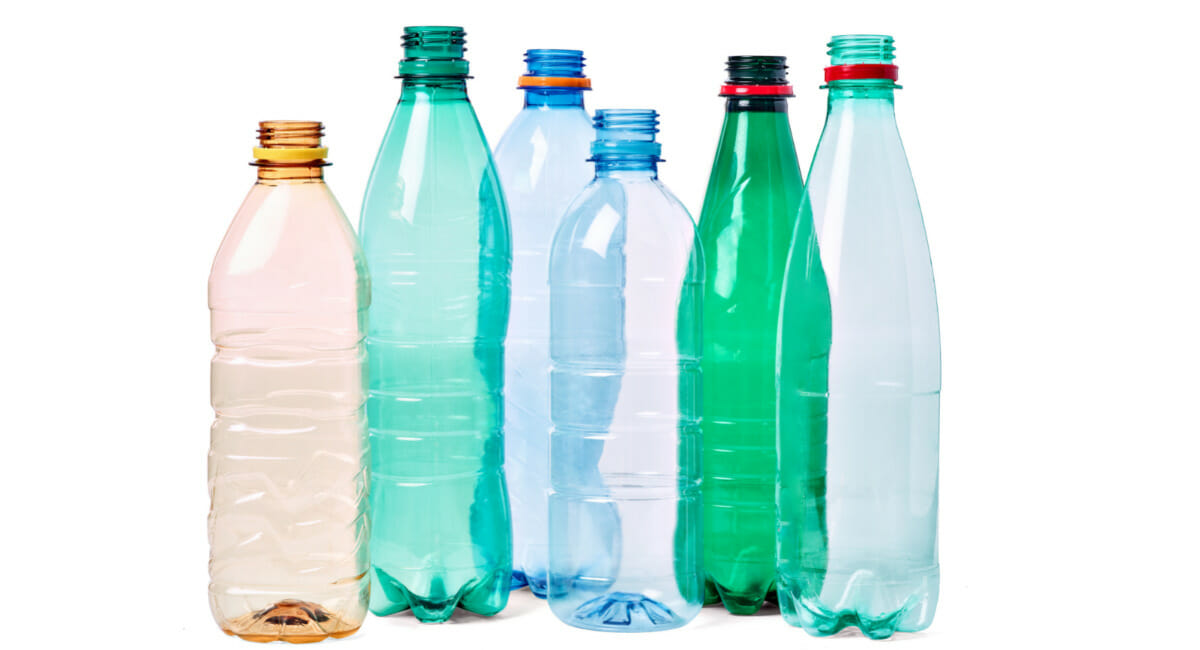
Plastic packaging can be an important ally here: it offers a high level of functionality with little use of materials and hardly has any impact on the ecological balance of a product. And most importantly, they protect sensitive goods and thus help to prevent waste.
Plastic packaging, for example, protects food from Soiling, moisture, UV radiation and spoilage from. An unpackaged cucumber will become unsightly, unsellable and inedible within three days if left unrefrigerated. Wrapped in 1.5 grams of plastic, it will keep for 14 days - and if it does not spoil prematurely, it does not have to be produced and transported again.

Also in the spirit of the Resource efficiency The plastics credo is „more and more with less and less“. material-saving design In the case of plastic packaging, this has meant that the amount of plastic processed over the past few years has increased far less than would have been expected in view of demand.
A 2015 study by the Society for Packaging Market Research shows that plastic packaging has become a good 25 per cent lighter on average since 1991, without losing any of its function. This is made possible by Improved material properties and Optimised manufacturing processes, at the same time as the demands of retailers and consumers have increased, for example in terms of shelf life and hygiene.
According to a denkstatt study, replacing plastic packaging with other materials would consume significantly more energy and water and cause more CO2 emissions. Basically, plastics save much more energy and resources than are required for their production, so they are also drivers of sustainable resource use in this area.
Indispensable helpers
Regardless of the material used, all packaging naturally has its own ecological footprint, which grows with the increase in packaging consumption. However, packaging is not an end in itself: it helps to minimise the need for smaller packaging. Portions for single and senior households and guarantee safe and hygienically packaged medicines in an ageing society.
In times of increasing digitalisation, constant availability and flexible working time models, they help people to eat a balanced and healthy diet on the go by keeping food fresh for longer and protecting nutrients. This makes packaging indispensable and helps to conserve resources.
Too good to throw away
What we reject is unnecessary and oversized packaging or the sole reliance on disposable applications. We also want to improve recycling: The close cooperation between the plastics industry, brand manufacturers, retailers and the recycling industry is currently leading to the recycling of plastic packaging being given greater consideration at the design stage and recycling being promoted.
The material and energy recovery of plastic waste is already making a significant contribution to saving raw materials. Greater use of recyclates in packaging without compromising on performance opens up further potential. Potential for conserving natural resources. Together with responsible handling of packaging waste during collection and waste separation by consumers, this can lay the foundation for a modern circular economy with plastics.
Source: PlasticsEurope Deutschland e. V.