At the beginning of March, the nationwide information campaign „Waste separation works“ was launched by the dual systems responsible for collecting, sorting and recycling packaging waste in Germany. We asked how it's going so far.
The campaign aims to inform consumers about correct waste separation and dispel common misconceptions and waste myths. Because there are still too much packaging in the grey bin, while at the same time the proportion of residual waste in the yellow bag and yellow bin is too high. is. This makes recycling more difficult and important materials are lost to the recycling cycle. We spoke to campaign spokesperson Axel Subklew about the aims of „Waste separation works“ spoken.
Mr Subklew, last year the dual systems launched the information campaign „Waste separation works“ was launched. What does the campaign do?

Axel Subklew: We need the support of consumers to achieve the significantly higher recycling rates prescribed by the Packaging Act since 2019. After all, high-quality recycling is only possible with even better waste separation at the household level. The high recycling rates prescribed by law can only be achieved if as much packaging as possible is collected and separated correctly. With our educational work, we want to help improve the quality of collection so that even more packaging can be recycled. To this end, our campaign will initially run for three years.

How do you want to improve people's sorting behaviour?
Axel Subklew: Firstly, it is important to increase the motivation to separate waste. Take climate protection, for example: by separating waste correctly, everyone can make a small contribution to reducing harmful greenhouse gas emissions, as recycling processes are more climate-friendly than primary production. We also need to do a lot of convincing and make it clear that packaging recycling really works. Because there are widespread prejudices here: The packaging from the Yellow Bag/Yellow Bin would end up in waste incineration or exported overseas anyway. We counter this with facts and figures that refute these prejudices.
Consumers do important groundwork for recycling
Who is the campaign's target group?
Axel Subklew: The campaign is aimed at the general public and therefore at all end consumers, who must carry out important preliminary work in the recycling process by separating waste correctly. It also places a special focus on Focus on younger people who have received little information about waste separation in the past, but are open to the topic due to their climate awareness. We are therefore also focussing on social media in our campaign. On Facebook and Instagram, we engage in a dialogue with users who ask us their questions about waste separation directly and with great interest. We also work with credible influencers, such as Louisa Dellert, whose core topics are sustainability and environmental protection. She follows our campaign on her Instagram channel.
How is this being received by users?
Axel Subklew: Our last campaign on Facebook was called The Yellow Bag is pretty green. There were over 300 comments. We realised that younger people often still lack confidence in the recycling system. We see this as a task to provide more information and explain the processes transparently.
„Waste separation works“ on all channels
Of course, we use all channels for this. For example, there are nationwide TV and radio adverts focusing on the correct separation of residual waste and packaging. And from the autumn, there will be radio collaborations with local stations. We hope to attract a great deal of attention if we address the local population directly.
On our website waste-separation-acts.com we have also compiled all the information and provide facts. There are downloads of separation instructions or graphics on the packaging cycle. We want to make it clear to people how and where recyclates are further processed and in which products they can find the collected plastics, metals or glass. We are currently compiling further materials for this purpose.
Do you also support packaging manufacturers or disposal companies with your information work?
Axel Subklew: Yes, we have set up an internal area on our website for waste consultants, packaging manufacturers, retailers and disposal companies. In this way, we are addressing all those involved in the recycling chain and encouraging them to get involved in joint communication. Registered users can download campaign motifs and posters, for example, and use them with their logo for their own consumer communication.
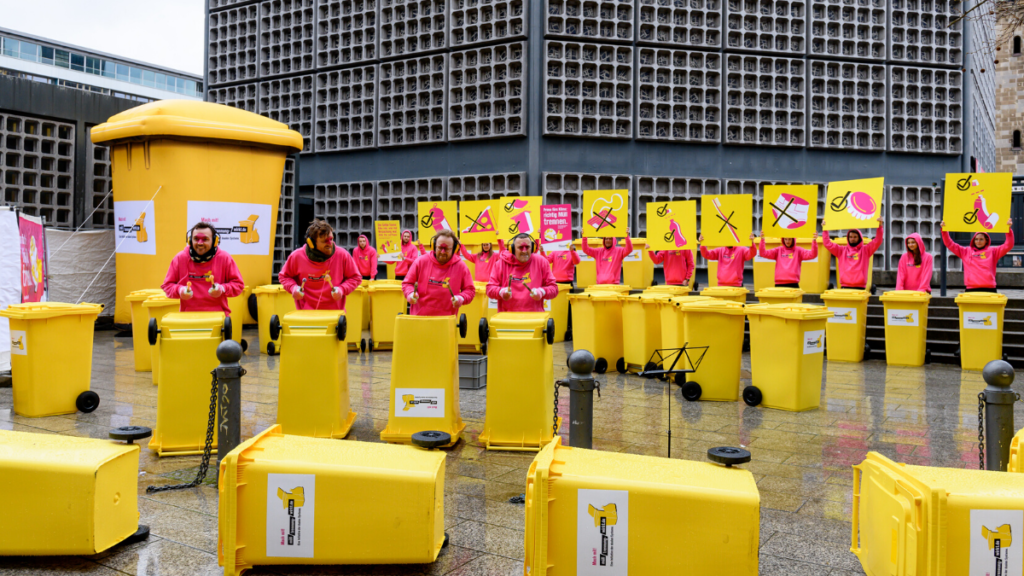
It is pleasing to see how quickly retailers have reacted to the Packaging Act. Recycling companies and packaging manufacturers have also been doing a lot for some time now. Recyclability is a new target when selecting packaging. Many associations are also organising good campaigns on the subject of recycling. We need mutual support here. We are therefore planning to further expand the internal area and to link the topics in the long term.
Is waste separation, as required by the dual systems, too complicated?
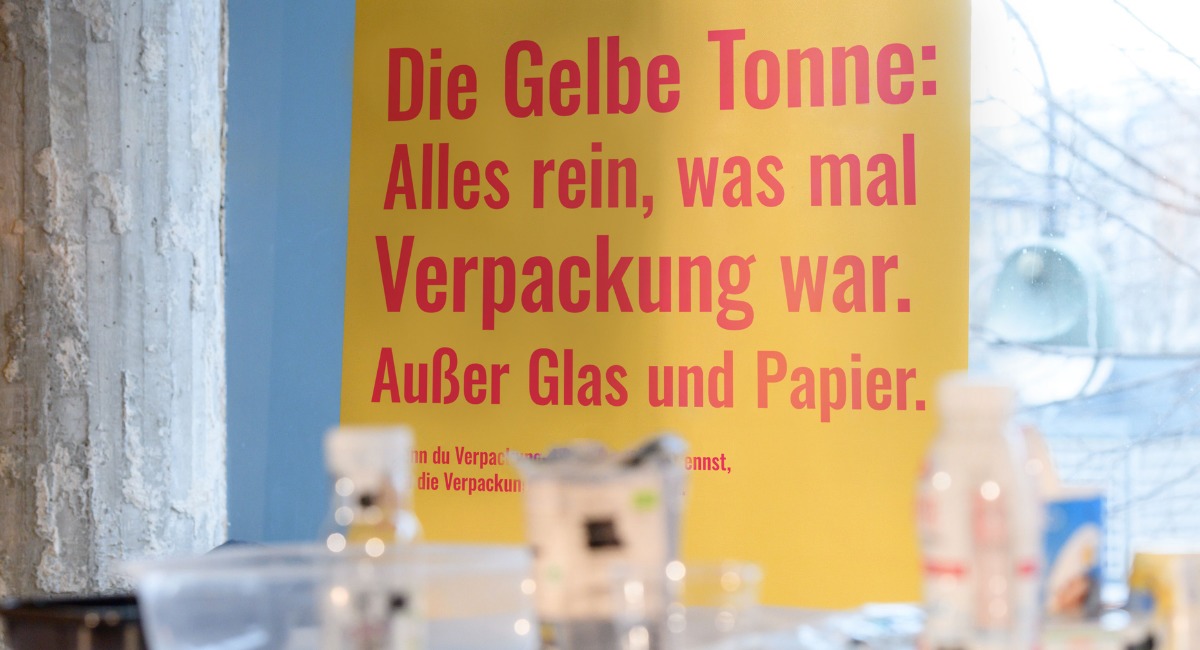
Axel Subklew: No, not at all. We want to dispel this myth. Waste separation is not complicated! All so-called lightweight packaging, i.e. packaging made of plastic, metal and composite materials, belongs in the yellow bag and the yellow bin. All other packaging made of glass or paper belongs in the appropriate containers for glass and paper collection. It's actually quite simple.
Target group comprises around 83 million people
You initially launched the campaign last year with a test run. How did that go?
Axel Subklew: We successfully trialled the campaign in a pilot project in the district of Euskirchen in North Rhine-Westphalia before the nationwide launch. From May to June 2019, we were widely publicised in the media, with posters and much more. The result was a five to ten per cent increase in collection volumes and noticeably less residual waste in the bins. With the trial run, we also wanted to show politicians and the federal states what we are doing. After all, our target group comprises around 83 million consumers. And we have to convince them that packaging is always too good to throw away. There is still a lot to be done, but there is simply no alternative to recycling.
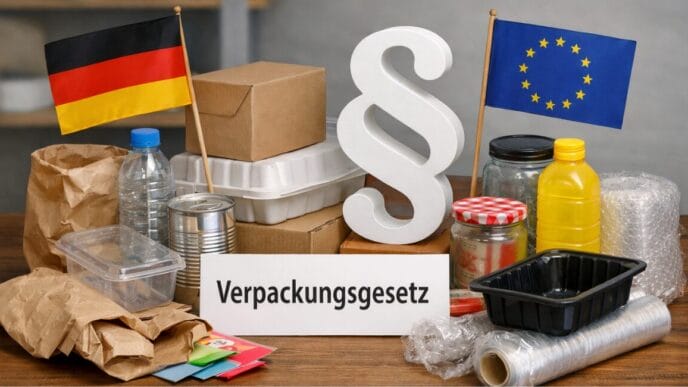
[infotext icon] The dual systems in Germany organise the nationwide collection, sorting and recycling of used sales packaging for industry and trade so that the recycling quotas prescribed by law are achieved. There are currently ten privately organised systems that fulfil this task with their service providers from the waste disposal and recycling industry. The basis for the work of the dual systems is the current Packaging Act[/infotext].