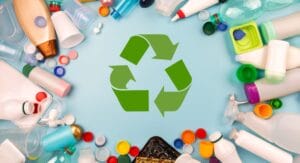

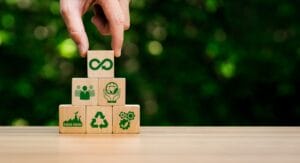
Recycling is one of the three pillars of modern waste management. However, efficiency depends not least on whether and how consumers sort their household waste at home. Some waste errors can be easily avoided. The "Waste separation works" initiative is endeavouring to raise awareness in this regard.
Around 2.6 million tonnes of waste are collected each year in Germany via the yellow bins and yellow sacks. However: Only around 70 per cent of this is used packaging. An average of 30 per cent, on the other hand, is incorrectly disposed of waste, so-called misdirected waste. They have to be laboriously sorted out and disposed of separately. This not only results in higher costs, but incorrect disposal can also significantly hinder the recycling of correctly disposed packaging.
"Waste such as nappies or food scraps contaminate the collected packaging waste and make machine sorting more difficult. Important raw materials are lost. This also harms the climate and the environment."
Axel Subklew, waste disposal expert from the "Waste separation works" initiative
Put them in the yellow bin or the yellow bag only packaging made of plastic, tinplate, aluminium or composite materials such as beverage cartons. Glass packaging should be sorted according to the colours white, brown and green and placed in the appropriate glass containers. Packaging made of paper, cardboard or carton is collected in the paper bin.
Breathing masks and corona tests in the residual waste
Popular "waste sins" in the yellow bin or yellow bag include waste such as used nappies, video and audio cassettes or even empty fire extinguishers and paddling pools. Rechargeable and non-rechargeable batteries are often thrown into the yellow bin or yellow bag. This not only harms the environment: it can also be dangerous for employees of waste disposal companies. For example, if lithium batteries and rechargeable batteries are exposed to pressure in the sorting plant or the disposal lorry, there is a risk of fire.
Used respiratory masks, disposable gloves or corona tests are a current source of dangerUnder no circumstances should they be disposed of in the yellow bin or yellow bag, as they are potentially infectious. They belong, securely packed in a sealed plastic bag, in the residual waste.
If you separate your waste correctly, you can not only help to avoid such dangers, but also protect the environment and the climate. Recycled material can be used to manufacture new products. This saves primary raw materials, energy and CO2 emissions.
More news from the field of waste technology and recycling


BDE calls for improvements to the Packaging Act

UBA and ZSVR: packaging recycling works

Waste disposal associations support plastic levy

BDE calls for „Made-in-Europe“ regulation for recycled plastics