With the joint Waste4Future flagship project, seven institutions of the Fraunhofer-Gesellschaft want to create new opportunities for recycling plastics in order to make the carbon they contain available as a green resource for the chemical industry.
A sustainable society with climate-neutral processes requires considerable adjustments in the value chains, which are only possible through innovation. Seven institutions of the Fraunhofer-Gesellschaft bundle in the lead project Waste4Future their competences, The aim is to develop new solutions to achieve this goal, from the raw material base to material flows and process engineering through to the end of a product's life cycle.
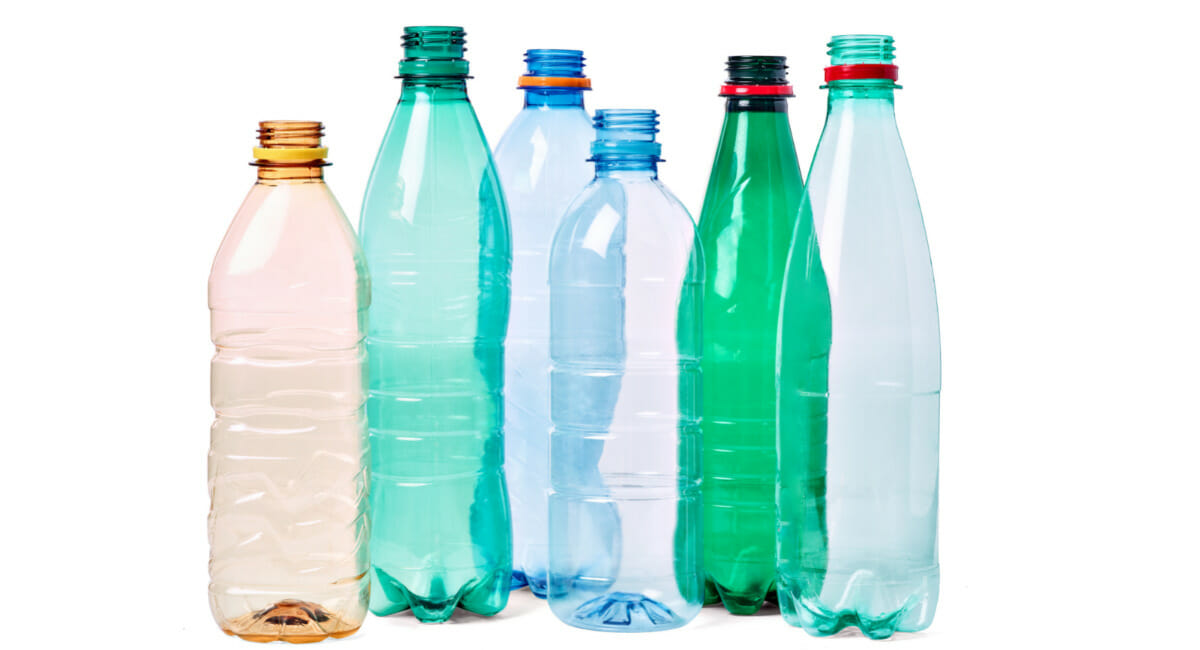
In particular, they want to increase energy and resource efficiency in the use of plastics and thus pave the way for a more sustainable future. Chemical industry that requires fewer fossil raw materials and causes fewer emissions. Without plastics such as polyethylene (PE), polypropylene (PP) or polystyrene (PS), which are currently made almost entirely from fossil raw materials, many everyday products and modern technologies would be unthinkable.

Keeping carbon in circulation
The carbon contained in the plastic is an important resource for the chemical industry. If it is possible to utilise such to better recognise carbonaceous components in waste, recycle them more effectively and use them to produce high-quality raw materials for industry, carbon can be kept in circulation. This not only reduces the need for fossil resources, but also environmental pollution with CO2 emissions and plastic waste.
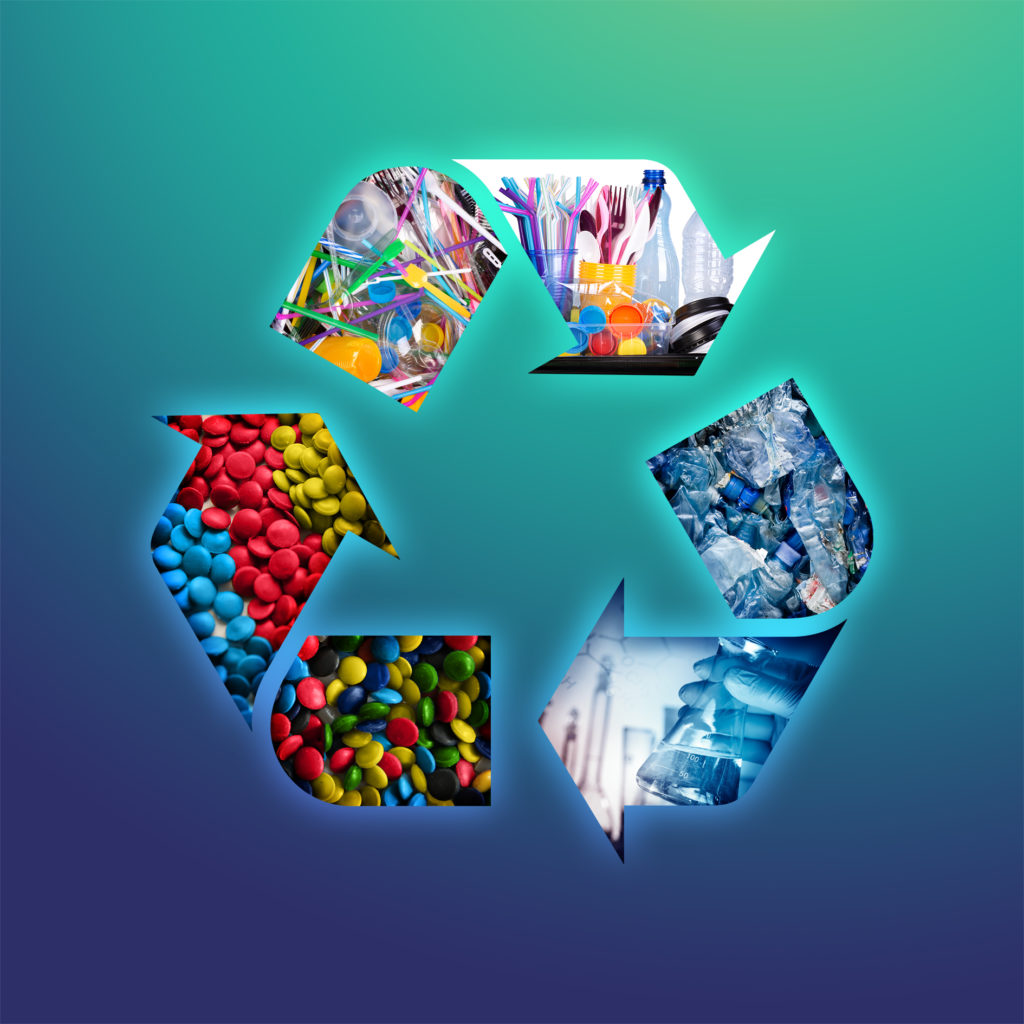
At the same time, the security of supply for industry is improved because an additional source of carbon is tapped. In the lead project Waste4Future new opportunities for the recycling of plastics are therefore to be created in order to utilise the Carbon as green Resource for the chemical industry to be provided.
„We are thus paving the way for a circular carbon economy in which valuable new base molecules are obtained from plastic waste and emissions are largely avoided: Today's waste becomes tomorrow's resource. With the expertise of the participating institutes, we want to show how the comprehensive recycling of plastic-containing waste is possible and ultimately economical without the loss of carbon through interlinked, networked processes.“ Dr Sylvia Schattauer, Deputy Director of the Fraunhofer Institute for Microstructure of Materials and Systems IMWS, which is in charge of the project
Result of the project running until the end of 2023 The aim is to develop innovative recycling technologies for complex waste that can be used to obtain high-quality recyclates. Specifically, the plan is to develop a holistic, entropy-based evaluation model that reorganises the recycling chain, which has been process-led to date, into a material-led chain.
An innovative sorting process recognises which materials and, in particular, which plastic fractions are contained in the waste. Based on this analysis, the overall stream is separated and a targeted decision is then made for the resulting partial streams as to which recycling method is the most technically, ecologically and economically sensible for this specific waste volume.
What cannot be reused by means of mechanical recycling is available for chemical recycling, always with the aim of maximising the preservation of carbon compounds. The thermal utilisation of plastic waste at the end of the chain is thus eliminated. The challenges for research and development are considerable. These include the complex evaluation of both input materials and recyclates according to ecological, economic and technical criteria.
Waste4Future uses machine learning
Material recycling must be optimised, and processes and technologies for the key areas of material use of plastic fractions must be established. Furthermore develop suitable sensor technology that reliably identifies materials in the sorting system can. Machine learning methods are also used and the aim is to create a link with a digital twin that represents the properties of the processed materials.
Another aim of the project is the automated optimisation of the formulation development of recyclates from different material flows. Last but not least, an economic evaluation of the new recycling process chain will be carried out, for example with regard to the effects of rising prices for CO2 certificates or new regulatory requirements. The project consortium will also Conduct comprehensive life cycle analyses (LCA) for the individual recycling technologies, to identify potential environmental risks and opportunities.
For the development of the corresponding solutions, the participating institutes are in close dialogue with companies from the chemical industry and plastics processing, waste management, recycling plant construction and recycling plant operation in order to take the needs of the industry into account in a targeted manner and thus increase the chances of rapid implementation of the results achieved.
[infotext icon]The following institutions are involved in the Fraunhofer Waste4Future lighthouse project: Fraunhofer Institute for Microstructure of Materials and Systems IMWS (lead partner), Fraunhofer Institute for Non-Destructive Testing IZFP, Fraunhofer Research Institution for Materials Recycling and Resource Strategies IWKS, Fraunhofer Institute of Optronics, System Technologies and Image Exploitation IOSB, Fraunhofer Institute for High Frequency Physics and Radar Techniques FHR, Fraunhofer Institute for Structural Durability and System Reliability LBF, Fraunhofer Institute for Process Engineering and Packaging IVV.[/infotext]Source: IMWS