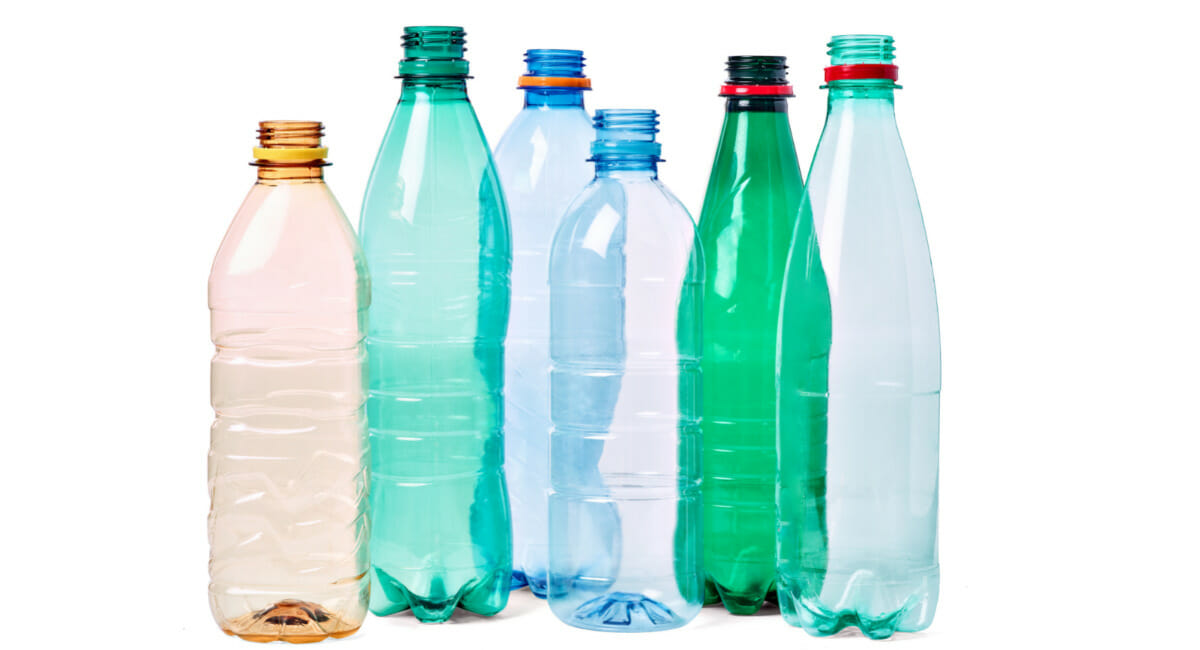
The new AirLift from WESTERIA Fördertechnik GmbH, Ostbevern, reliably separates materials with very similar specific densities with a degree of purity of over 99 per cent. In addition to organic waste, this also applies to the processing of PET bottles, where the label papers can be perfectly separated from the plastic.
Anyone who wants a market-driven Compost quality must reconcile two problem areas: on the one hand, fulfil the demand for better quality and, on the other, counteract the constantly increasing proportion of foreign matter in biowaste. Previously, only a surface area of 25 cm²/l of foreign matter was permitted according to RAL quality assurance. With a tightening of the guideline, the RAL quality assurance even lowers the value for foreign substances to 15 cm²/l from 1 July 2018. Every operator of composting plants must therefore react to this development at short notice.
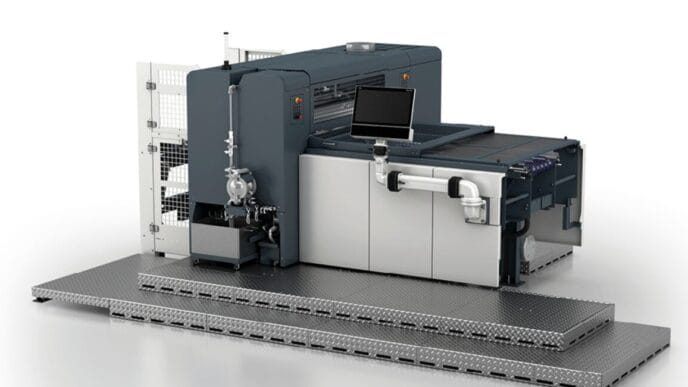
Westeria, a pioneer in windsifter technology, is launching the right separation unit, the AirLift, onto the market. This recycling system optimises the separation of the lightweight fraction. The required „Sound barrier“ of 15 cm²/l of foreign matter in the compost can even be significantly undercut by Westeria with this new development. The AirLift achieves a value of 6 to 10 cm²/litre.

However, the AirLift system name generator is just one system component in the new wind sifter variant. Coupled with the SpeedCon high-speed conveyor belt and the AirWheel module, the result is a New standard in the separation of light materials. The unit can be operated both on its own and in addition to existing recycling systems. By upgrading the system technology, it is easy to respond to current market requirements.
AirLift, special technology for efficient results
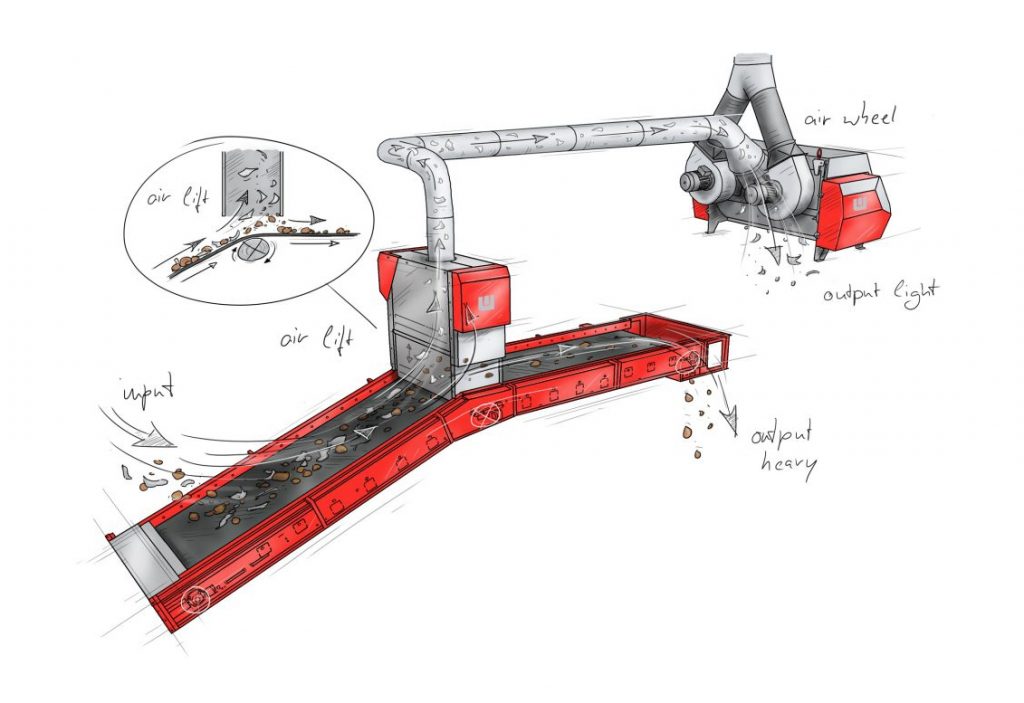
Air flows and conveyor belt speed form a symbiosis with the Westeria technology, which, according to the manufacturer, „produces impressive results“. The waste stream accelerates on the ascending high-speed conveyor belt up to an apex at a maximum speed of four metres per second. Once there, the AirLift sucks up the light material, leaving heavier parts on the lowering belt for further processing. The SpeedCon tape is equipped with a patented, fully automatic belt guidance system. This means that the belt is always guided in the centre and does not „wander“, resulting in longer belt life.
The precise adjustability of the air volume and speed results in ballistic trajectories that conventional overband extraction systems have not been able to achieve to date. According to Felix Poth, Sales Manager at Westeria, the AirLift is „a model of efficiency that sets a new standard“ with a throughput rate of up to 320 m³/h and a purity level of over 99 per cent.
The system contains new Detailed solutions. If material accumulates in front of the appliance, part of the housing wall moves upwards, the viewing gap opens and the clump can pass through without any problems. The detection of such material blockages and the automatic gate regulation result in a high level of operational safety.
The AirLift system is designed for extremely extensive film removal in all compost applications and for film separation without PET losses. It is also possible to separate refuse-derived fuel (RDF), known as fluff, into a high and medium calorific fraction.

Further processing of the light fraction in the AirWheel
The light material flow passes through a pipe system to the next treatment stage, the AirWheel. Here, liquids are separated via drum strainers. The design is equipped with a special sealing system that only has a very small gap to the surrounding housing, allowing water to pass through but preventing the penetration of material components.
The supply of compressed air via the nozzles of the Westeria AirJet system also reduces the amount of manual cleaning required for the sieves. The Maintenance-friendly design of the AirWheel can be seen in other examples: These include the one-sided lever mechanism and the switching elements, both of which can be operated from the outside. The technology makes it possible to carry out inspections during operation.