With the new EU Packaging and Packaging Waste Regulation (PPWR), not only product packaging, but also tertiary packaging such as pallets and transport containers are moving into the focus of regulatory requirements. This is because they are also considered packaging under the regulation and must be reusable, traceable and documented in future.
From August 2026, binding EU-wide regulations will apply for the first time, which will also govern the use and reuse of transport packaging such as pallets, crates and containers. The aim is to create a standardised Europe-wide basis for the reduction of packaging waste and to consistently promote the recycling of materials, including in the area of logistics and transport packaging. This creates considerable pressure to act for companies that have previously used single-use structures or informal return processes.
What sounds like additional bureaucracy at first glance actually opens up great potential. Companies that rely on structured reusable and pooling systems ensure regulatory certainty, economic efficiency and future-proof their logistics.

Pallets are thus evolving from a mandatory logistics component to a strategic lever for a sustainable, resource-saving supply chain. Below we answer the most important questions about the role of load carriers in the PPWR strategy.
Questions & answers on the implementation of the PPWR in the area of transport packaging
- Why are pallets and other load carriers now becoming an issue for the PPWR?
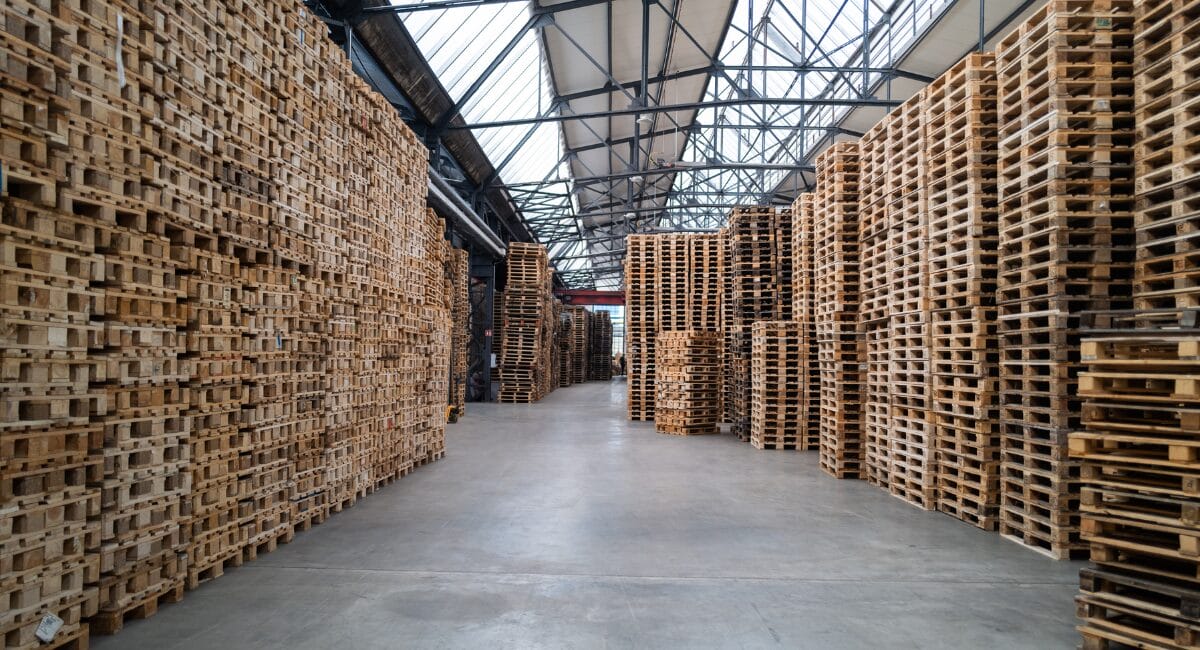
Because they are packaging within the meaning of the PPWR. The regulation classifies transport aids such as pallets as tertiary packaging and obliges companies that place them on the market, i.e. manufacturers, importers or trading partners, to comply with defined sustainability criteria: Reusability, traceability and verifiability.
As a result, logistics components that were previously considered primarily from a cost perspective are being placed in a new strategic context, namely as a contribution to achieving climate targets and regulatory compliance.
- What specific requirements does the PPWR place on load carriers?
The ordinance defines binding reuse quotas for packaging, including tertiary packaging:
a) 40 % until 2030
b) 70 % until 2040
These requirements apply to both internal and national transport. It is crucial that the use of pallets is embedded in a structured reuse system that fulfils the following requirements:
- Multiple use via documented cycles
- Traceable logistics
- Conformity with design and material requirements
- Reporting obligations for use and return
- How can the topic of reuse be integrated into existing logistics processes?
The switch to reusable packaging generally works without extensive reorganisation if the right partners are involved. Open pooling systems, such as the one from PAKi Logistics, can be easily integrated into existing processes.
These are important:
- a clear internal allocation of roles,
- the integration of digital traceability systems,
- and structured cooperation with the service provider.
Particularly relevant for internationally active companies: The PPWR applies across borders. Anyone transporting goods throughout Europe should therefore rely on systems that are available and legally protected in a harmonised manner throughout the EU.
- How can load carriers additionally support sustainability goals?
Through intelligent control and digitalisation, CO₂ emissions can not only be measured, but actively reduced. Standardised pooling systems are a pragmatic solution for transport packaging. They not only enable the reuse and return of load carriers, but also provide the necessary documentation for regulatory evidence to fulfil PPWR requirements. Pooling systems therefore offer four key advantages in terms of sustainability:
- Tracking & tracing for better planning and transparency
- CO₂ calculator for ESG-compliant documentation
- Efficiency gains through optimisation tools to reduce empty runs
- Conserving resources by avoiding disposable packaging,
In conjunction with intermodal transport, e.g. the combination of road and rail or CO₂-reduced transport partners (keyword: biofuels or e-trucks), a much more sustainable overall picture emerges. One example: In a joint project with Internationale Transporte Scholz GmbH, PAKi Logistics has integrated a fleet of lorries powered entirely by biofuels, thereby implementing an end-to-end sustainable transport solution from sender to recipient.
- What are the economic advantages of switching to pooling?
In addition to regulatory security, cost efficiency in particular is a decisive argument:
- Companies no longer need to keep their own pallet stocks.
- Storage costs, losses and administration are significantly reduced.
- Utilisation is based on demand, according to the pay-per-use principle
- Pooling enables better planning and capacity utilisation.
Digital interfaces can also be used to automate processes, create reports and efficiently transfer key sustainability figures to ESG systems.
Conclusion
Pallets and other load carriers have long been more than just logistical aids. They are crucial components of sustainable supply chains. Those who rely on structured reuse systems today not only fulfil future legal requirements, but also strengthen their own future viability in economic, ecological and regulatory terms.