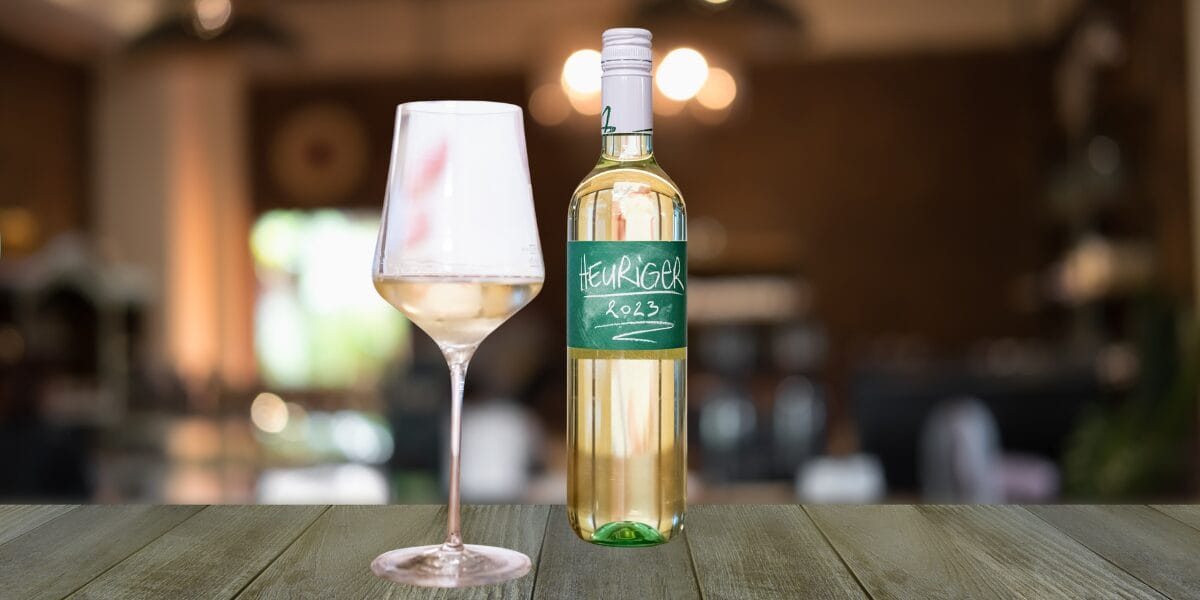
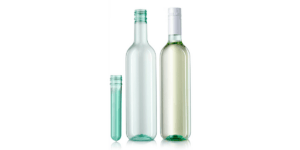
Austria's largest wine bottler is about to make some big changes. The Wegenstein winery is now bottling one of its wines in PET bottles. The new bottle was developed in a project with PET specialist Alpla. The new Bordeaux bottle saves weight and CO2, as the bottle weighs just 50 grams. This also reduces transport and storage costs. In addition, the PET bottles, which will be subject to a deposit in Austria from January 2025, will be 100 per cent recycled.
Christoph Fingerlos, Senior Quality Manager at Weinkellerei Wegenstein, describes the project and the initial idea: „Our primary task for this project was to create a visually appealing Bordeaux wine bottle that can be closed with a standard industry screw cap, as is familiar from glass bottles.“ It was realised in close collaboration with the world's leading packaging manufacturer Alpla. The result is a PET bottle, that fulfils the expectations of producers - and is well received by consumers.
Less CO2
„A PET wine bottle scores with safety, an attractive price and, above all, sustainability“, says Daniel Lehner, Global Sales Director Food & Beverage at Alpla. He explains: „The biggest advantages are the low weight of just 50 grams and the reduced costs of up to 30 per cent.“ This makes the bottle affordable and easy to transport. A win-win situation for manufacturers and consumers. Ecologically orientated buyers in particular get their money's worth.

„This is because the bottle is recyclable and can be produced with up to 100 per cent recycled material. Depending on the amount of recycled material used, the CO2-savings of up to 50 per cent. Even without the use of recyclate, the PET bottle reduces CO2 already by 38 per cent compared to glass bottles.“
Daniel Lehner
In addition, the PET variant is a Uncomplicated packaging alternative for manufacturers. Daniel Lehner: „Another key feature is the use of the existing metal cap.“ With the so-called long-cap lid, it is possible to switch between glass and PET bottles on the bottling lines without any major conversions. The PET wine bottle can also be used for several formats as well as different designs and content sizes. „The current 0.75-litre bottle will soon be followed by a 1.0-litre bottle,“ announces Lehner, Sales Director at Alpla.
More space for transport
Wegenstein quality manager Christoph Fingerlos also emphasises the advantages for the winery:
„Thanks to the bottle's low weight and compact dimensions, both storage and transport can be massively optimised. We can store 144 more bottles on a Euro pallet with the PET bottle compared to glass bottles - with a lower total weight per pallet. Added to this is the break resistance.“
The product „Heuriger 2023“ in the new PET bottle is part of the entry-level price series in the Wegenstein range. Weinkellerei Wegenstein GmbH is a subsidiary of REWE International AG and, with its Production volume of around 24 million bottles per year the largest wine bottler in Austria. It exclusively supplies the Group's own retail companies Billa, BillaPlus, ADEG, Sutterlüty and Penny.
Easy handling
Daniel Lehner: „Using PET bottles for wine is nothing new in itself. However, the previous applications were more in the niche area, for example the small PET wine bottles on aeroplanes to save weight.“ The idea for the PET wine bottle was born two years ago. „The energy crisis and the associated gas shortage in 2022 set the ball rolling,“ recalls Christoph Fingerlos and continues: „Together with Alpla, we began developing a plastic bottle that would initially offer us an alternative in times of crisis that was independent of gas.“ The positive properties of the material quickly became apparent. Christoph Fingerlos says:
„As development progressed, we increasingly realised the advantages of such a bottle.“
Classic design and advanced features
Added to this is the high recyclability of the bottle after use, for example through the bottle-to-bottle process, an important driver for the circular economy. „This makes plastic the ideal packaging solution. Wine producers improve their carbon footprint and reduce their costs,“ confirms Daniel Lehner. Christoph Fingerlos supplemented:
„The Heurige is our test balloon with which we wanted to test customer acceptance. The bottle has been very well received on the market and we are currently looking into expanding the PET range.“
Source: Alpla