Companies today are confronted with many difficulties. Apart from the energy crisis or the quest for sustainable production, they are struggling to find a competent yet diverse and international workforce of all genders.
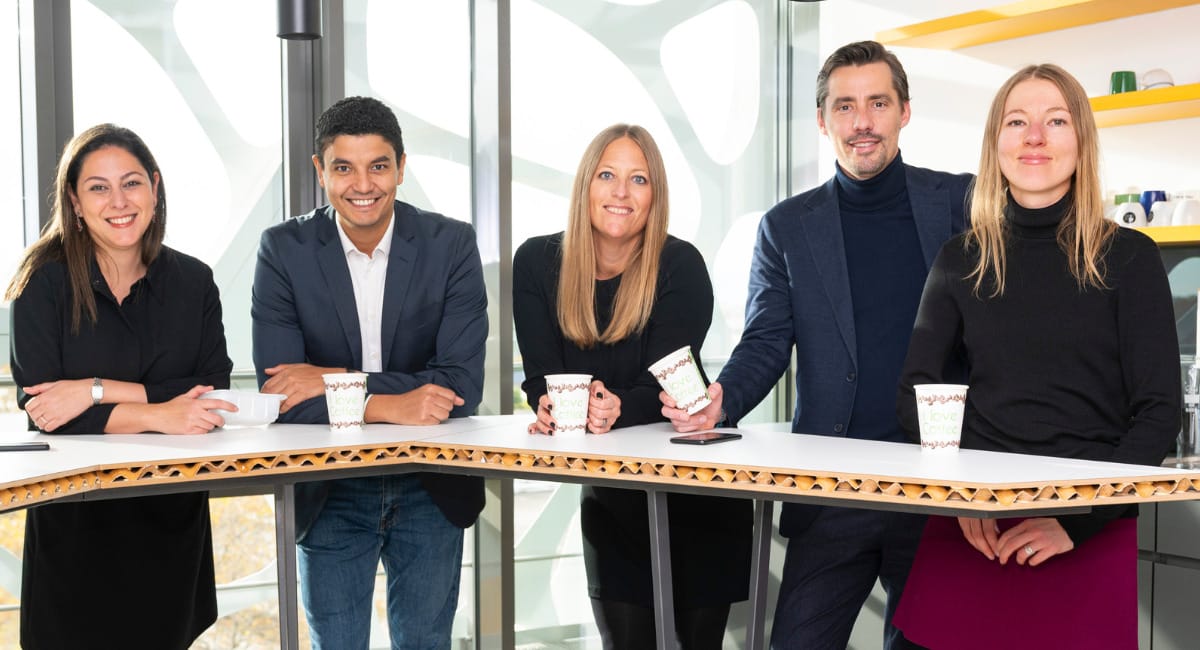
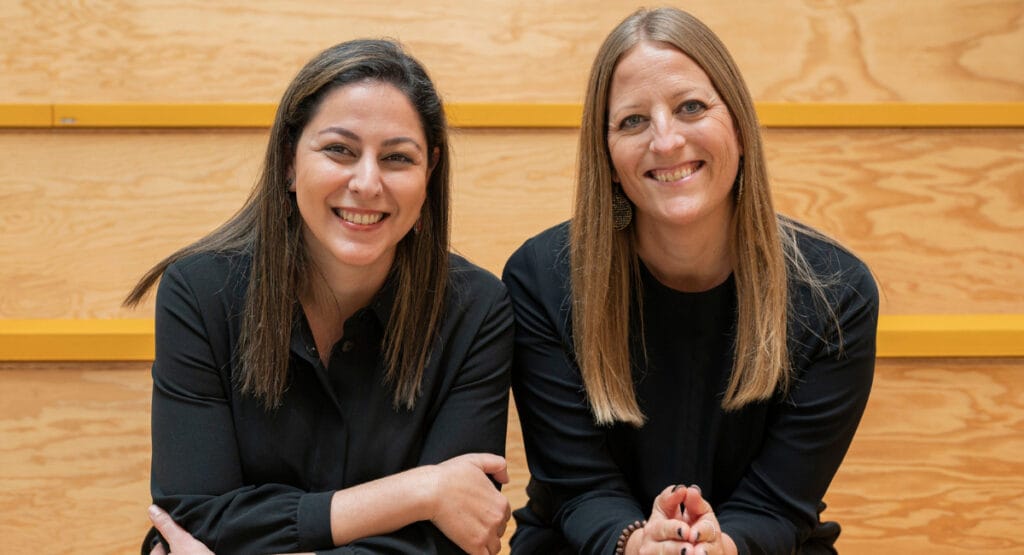
For Mia Pettersson and Afsaneh Nabifar, finding and mentoring new talent is a matter close to their hearts. packaging journal spoke to the two biopolymer experts about how the BASF the search for talents, how they can Arousing curiosity for the packaging industry and the supportive role mentoring can play.
Mia, you manage three teams worldwide. The industry is currently faced with the problem of finding new talent and filling vacancies. How important is young talent for the industry?
Mia Pettersson: Finding young talent is crucial. To get them interested in technology, we need to be attractive. We organise various events and use social media to attract diverse talent, because that's what we really need. We need diversity to be competitive and stay ahead of the competition. At BASF, we have many structured programmes to attract talent. We have trainee programmes that we offer at different levels and industries. We work with many universities around the globe. When young talents join BASF, there are many events and networking forums where we make sure they are visible and get the coaching and mentoring they need. We also try to create a safe space for discussion where managers can coach young people and where those same young people can coach managers. When people feel valued, safe and stable, they are motivated and automatically deliver results.

Afsaneh, what was your experience like?
Afsaneh Nabifar: I have the BASF for the first time in 2010 as a PhD student when I attended the BASF International Summer Course. This fantastic event has a long tradition and has been taking place for over 70 years. PhD students from all over the world are invited to get an exclusive insight into BASF's Ludwigshafen Verbund site, the largest integrated chemical production site in the world, and see first-hand what kind of research and development we do here. I knew then that this was the company I wanted to work for. And so I joined the company after graduating in 2012. This type of outreach programme clearly helps to bring academia and industry together and attract talent.
Mia, did you have mentors on your journey through the packaging industry, and if so, how important were they?
Mia Pettersson: I have had many mentors and I am grateful that I have always been surrounded by many people who believed in me - perhaps more than I believed in myself. I think that's the key. Whether it's your parents, your boss or your manager - you need that recognition and someone to help you believe in yourself. And today, as a manager, I spend about 50 per cent of my time on leadership issues, and a big part of that is coaching and mentoring.
How would you define managers at BASF? What makes them special?
Afsaneh Nabifar: I think we have a very open culture at BASF. I have experienced many situations in the past where I have approached managers and asked them if they would be willing to take me on as their mentee. And even when their diaries are full with business commitments, everyone takes the time to help me. The company also has structured mentoring programmes in different business areas and opportunities for mentoring partners, especially for women. We have groups for women in research, for women in management positions, for women in business and in production, in which senior managers take the lead and accompany young talents on their way.
When it comes to recruiting talent and promoting women, do you think the industry has changed in recent years?
Yes, I think we have changed dramatically. And I am very happy and proud to have been part of this change. We have managed to attract young talent and women into the company, but also to develop our leadership and our labour flexibility. We are now able to work in a new way. We make it easy for everyone to work 100 per cent or part-time if, for example, you want to start a family or have a hobby that is not compatible with work. To do this, we look at all aspects and use a lot of flexibility to make careers possible, no matter what your situation is. In my team, we experiment and focus a lot on individual leadership. Together with our employees, we explore where, when and in what constellation each individual performs at their best. After all, we all have different situations and needs.
Afsaneh Nabifar: It's also interesting for me to see that although BASF in Ludwigshafen is a German company, we recruit a lot of international talent. I started in the research department and I have to say that it was very fulfilling to work with so many colleagues from different backgrounds. It was almost like working at the United Nations. As Mia said, it's not just about women or men, but also about the mix of different cultures and characters. Because that helps to bring different perspectives together and makes the company more progressive and innovative.
Mia Pettersson: Ultimately, it starts at the top. If we don't live what we say, nothing will happen. That's one of the lessons I've learnt; watching how slowly issues progress when leaders don't put their words into action. And to gain people's trust - to show them that we mean what we say as leaders - it takes time.
If young people are reading this, what advice would you give them about entering the industry?
Mia Pettersson: I think the chemical industry or the packaging industry is abstract for many young people. So the first piece of advice would be to approach the industry, try it out, be brave and just see if it's for you. Try out lots of things and see if you find a passion for the industry. The second is to listen to yourself and be authentic. Sometimes you can be pressurised by other people about what you should and shouldn't think and do. But listen to yourself and go your own way. Do what your passion tells you to do. When you are there, truly believe that anything is possible. If you are unsure, seek advice, find someone you can talk to. And most importantly, no matter what you end up choosing, stay curious and keep learning, keep learning, keep learning. The world is changing so fast, and it's so important to find an area where you feel comfortable. Once you find that, I'm sure you'll go far.
Afsaneh Nabifar: One piece of advice I give young people is to dare to be brave and not be afraid to take opportunities when they knock on the door. This also applies to many women. They may be afraid to take a chance because they think they have to know a subject or area 120 per cent before they take a chance. Don't be afraid. Start the journey and you will learn and gain experience and eventually become the expert you want to be. Do a good job and really put your best foot forward in everything you do. I think people will notice and many doors will open.
Mia Petterson: Mia is originally from Sweden and started her career in the paper industry after graduating in chemical engineering. Today she leads three global teams at BASF. She is Vice President of Global Business Management, Speciality Polymers. She joined BASF in 2003 and works on the company's biopolymer portfolio.
Dr Afsaneh Nabifar: Afsaneh is originally from Iran and holds a PhD in Polymer Science and Engineering from Canada. She joined BASF Corporation in the USA in 2012. Today, she leads the global sustainability and advocacy team for biopolymers in Germany and is active in several plastic and paper packaging associations.