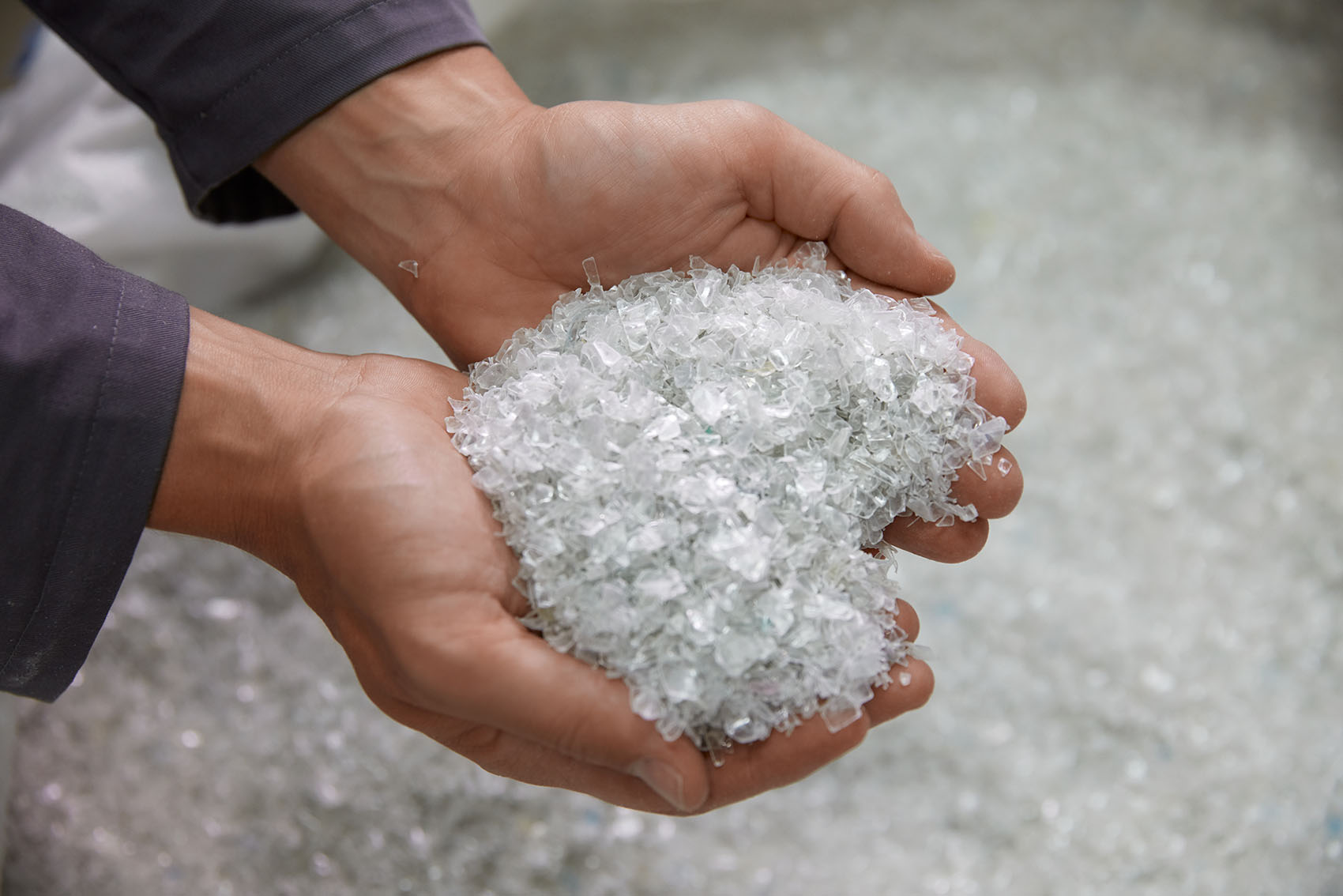
The Alpla Group, an international manufacturer of plastic packaging and recycling specialist, presents the world's first climate-neutral recycled PET.
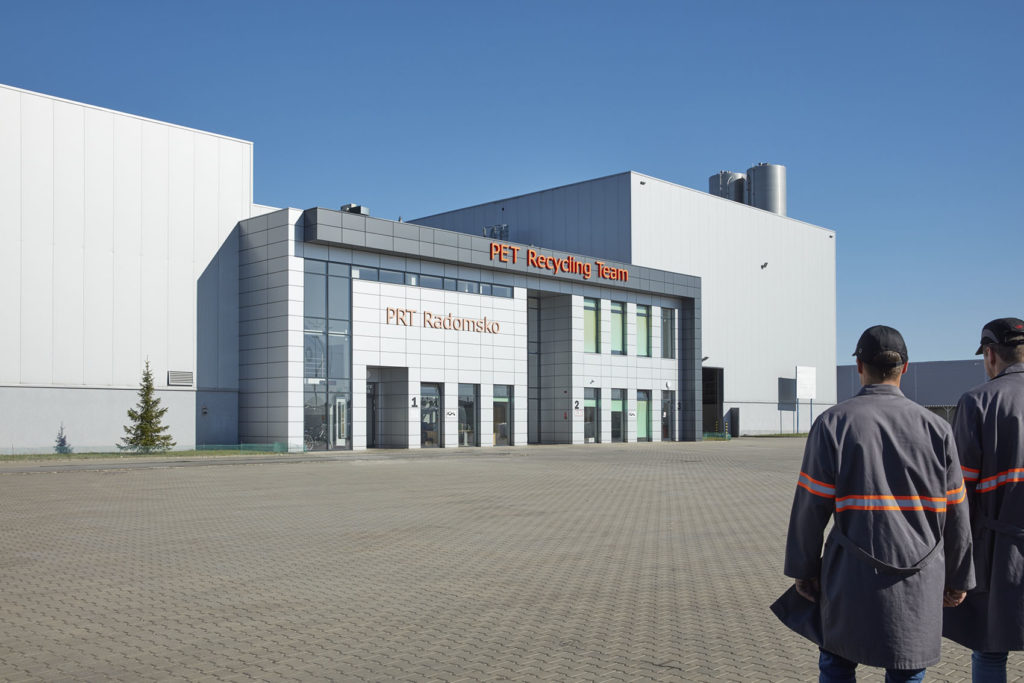
In order to be able to produce climate-neutral rPET (= recycled polyethylene terephthalate), Alpla has converted the PET Recycling Team recycling plants in Wöllersdorf (Austria) and Radomsko (Poland) to an electricity mix from renewable sources.
"This measure has already had a major impact on CO2balance of our food-grade regranulates: the calculations showed up to 90 per cent fewer emissions compared to virgin material. The feedback from the market on this further development was very good." Georg LässerHead of Recycling at ALPLA.

The company now offers its customers climate-neutral rPET by purchasing certificates. The remaining and unavoidable emissions, such as the delivery of input material to the plants, are offset via CO2-certificates are neutralised. "The world's first climate-neutral recycled pellets can make a significant contribution to climate protection and emphasises the value of used plastics," says Lässer.
Selected projects with a social background
To this end, Alpla has selected specific projects in collaboration with the Climate Neutrality Alliance 2025 and the non-governmental organisation Helioz. A reforestation project is being supported in Nicaragua. In China, traditional coal-fired cookers are being replaced by cookers that can be heated with biomass. Not only do they reduce emissions enormously, they also prevent health problems caused by harmful exhaust air. In Ethiopia, 5000 household packages (modern cookers, vegetable seeds, seedlings, training) are being financed. In regions in Asia and Africa Alpla the organisation Heliozwhich provides solar devices for monitoring water disinfection in PET bottles.
Recycling for climate protection
According to life cycle assessments, packaging with a high proportion of recycled material has the lowest impact on the climate. With the world's first CO2-neutral rPET is supported Alpla supports its customers in realising their sustainability goals. "Once again, we are proving that close cooperation between packaging developers and manufacturers as well as recycling experts under one roof makes it possible to achieve solutions that set a great example for the entire industry," concludes Lässer.
Source: Alpla