A joint study by WWF and Systemiq has analysed the levers available in the German packaging system. The result: significantly more circular economy is possible for plastic packaging. According to the study, the most important levers include innovative reuse models, avoiding and minimising unnecessary packaging and recycling-friendly design.
According to the Study „Packaging turnaround now!“ Germany wastes valuable resources when dealing with plastic packaging: Around 90 per cent of it is made from virgin plastic and more than half is incinerated after use. Every year, this amounts to 1.6 million tonnes of plastic packaging worth 3.8 billion euros. Despite high collection and recycling rates, the German plastics system is currently highly linear, i.e. a One-way street from production to disposal.
With more reuse models, the avoidance and minimisation of unnecessary packaging and recycling-friendly design, more than 20 million tonnes of plastic could be saved by 2040 - the equivalent of more than six times the annual consumption of plastic packaging in Germany. The analysis shows that by 2040, Germany can reduce the total volume of waste by 40 per cent, the consumption of new plastic by around 60 per cent and the incineration of waste for energy generation by over 70 per cent.

This would be a Effective building block for climate protection68 million tonnes of greenhouse gases can be saved by 2040. However, if everything continues as before, the production and disposal of plastic packaging alone will account for around five per cent of Germany's greenhouse gas budget in relation to the 1.5 degree target of the Paris Climate Agreement.
„Tear open the packaging and throw it away - our use of plastic symbolises a careless and wasteful consumption model that is not compatible with planetary boundaries. The consumption of plastic packaging has been increasing for years, while at the same time the packaging is becoming ever more complex and difficult to recycle. We need to consciously change course, from a throwaway society to a circular economy. We need less and better packaging. Our study points the way to a sustainable and circular packaging system.“ Laura Griestop, Expert on plastics and packaging at WWF Germany
Packaging and disposable items currently account for almost 60 per cent of German plastic waste. In Germany, 39 kg of waste per capita is generated annually from plastic packaging alone, significantly more than the European average.
From a throwaway society to a circular economy
The WWF study shows three concrete scenarios for the 2040 time horizon: 1. continuing as before, 2. development taking into account current political and economic commitments, such as the implementation of the EU Single-Use Plastics Regulation, and 3. a system change in which all currently available levers would be focussed on a circular economy for plastic packaging.
The analysis shows: Although the political commitments made to date will increase the recycling rate and reduce the incineration rate, the mountain of waste continues to grow. This is not enough to change course. Even if all current obligations were fully implemented, the demand for new plastic would increase by four per cent. WWF emphasises that a fundamental rethink that focuses consistently on waste avoidance instead of just increasing recycling volumes, as was previously the case, is crucial for the reorientation.
Focusing on waste avoidance instead of recycling
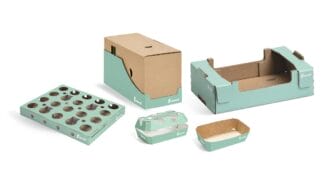
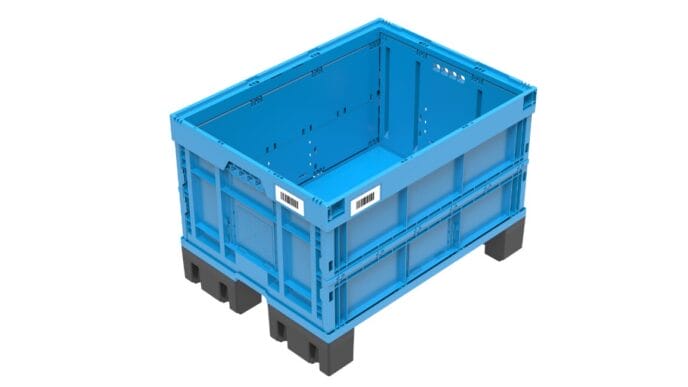
„Instead of trying to absorb ex-and-hop consumption with infrastructure for packaging waste, waste avoidance and innovative reusable models must take centre stage,“ explains Laura Griestop. Simply eliminating unnecessary packaging would reduce Germany's plastic waste by eight per cent. For this the legislator must establish clear avoidance and reduction targets. The study identifies reuse models as the most important single lever: almost a quarter of plastic waste (up to 23 per cent) could be saved by 2040 through expanded or new reusable systems, for example through Deposit systems beyond the beverage segment, more refill concepts in supermarkets and reusable boxes in the transport sector.
There is also a need to catch up in the recycling sector. With its high collection rates in the Dual System, Germany is actually in a good starting position, but far too much material still ends up being incinerated, exported or in open recycling loops and is lost to the system after a short period of use. „Yoghurt pots and shampoo bottles must be turned back into packaging, not car seats or floor mats. To achieve this, the recyclability of the packaging must be considered right from the design stage. Recycling-orientated design can significantly improve the circular economy and increase both the yield and the value of the recyclates,“ says Griestop.
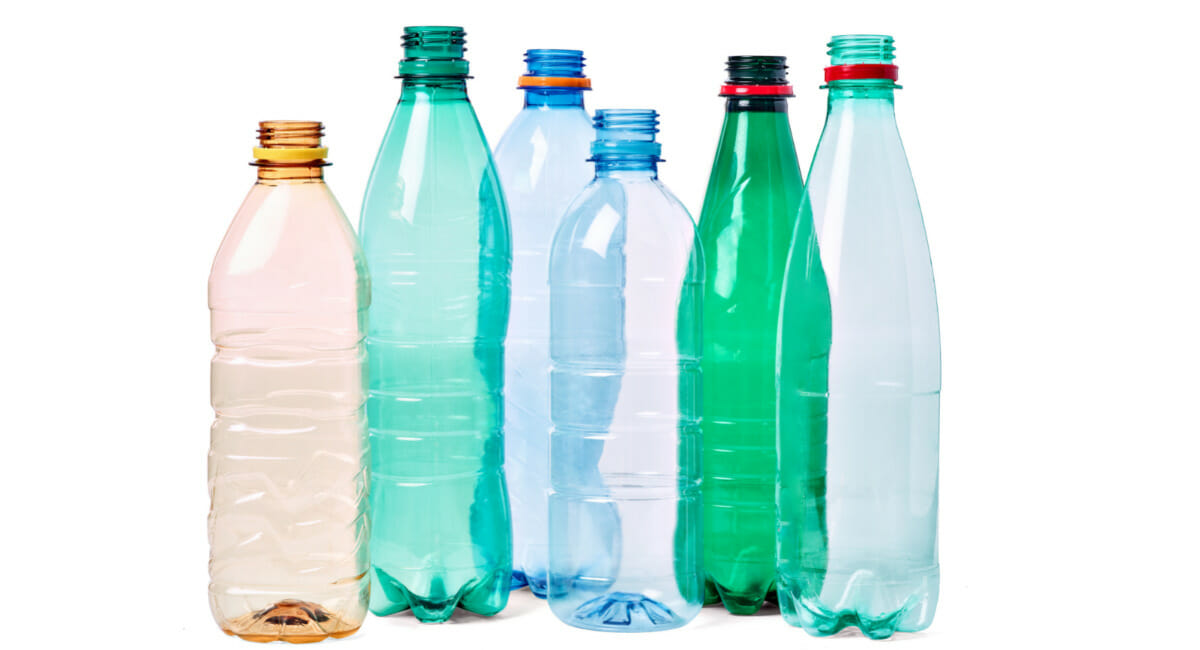
Film packaging in particular often consists of many different, thin layers of plastic that can no longer be separated from each other, meaning they are lost for recycling. „Monomaterials, less material variety, containers that are as uncoloured as possible and easily removable labels save a lot of work and are easy to keep in circulation.“ And also Packaging manufacturers have to use recycled materials more often, So far, the use of recyclate is only eleven per cent.
WWF is calling on the next federal government to set binding guidelines that reward low-resource packaging, reduce the overall volume of waste, improve the recyclability of packaging, promote collection and sorting and incentivise the use of recyclates in packaging. „The transition to a circular packaging system is possible. However, it requires political will, ambitious action on the part of companies and close cooperation between industry, politics and science,“ summarises Laura Griestop.
[infotext icon]The Study is a quantitative analysis that offers a new, data-driven and scientifically sound perspective on the flows of plastic packaging in Germany. The analysis evaluates various strategies and quantifies their impact for the first time, both in terms of the volume and recyclability of plastics and in terms of costs, greenhouse gas emissions and jobs. The study was commissioned by the WWF and carried out by Systemiq with the support of content experts along the value chain. Systemiq is a consultancy and think tank dedicated to achieving the SDGs and Paris climate goals[/infotext].Source: WWF