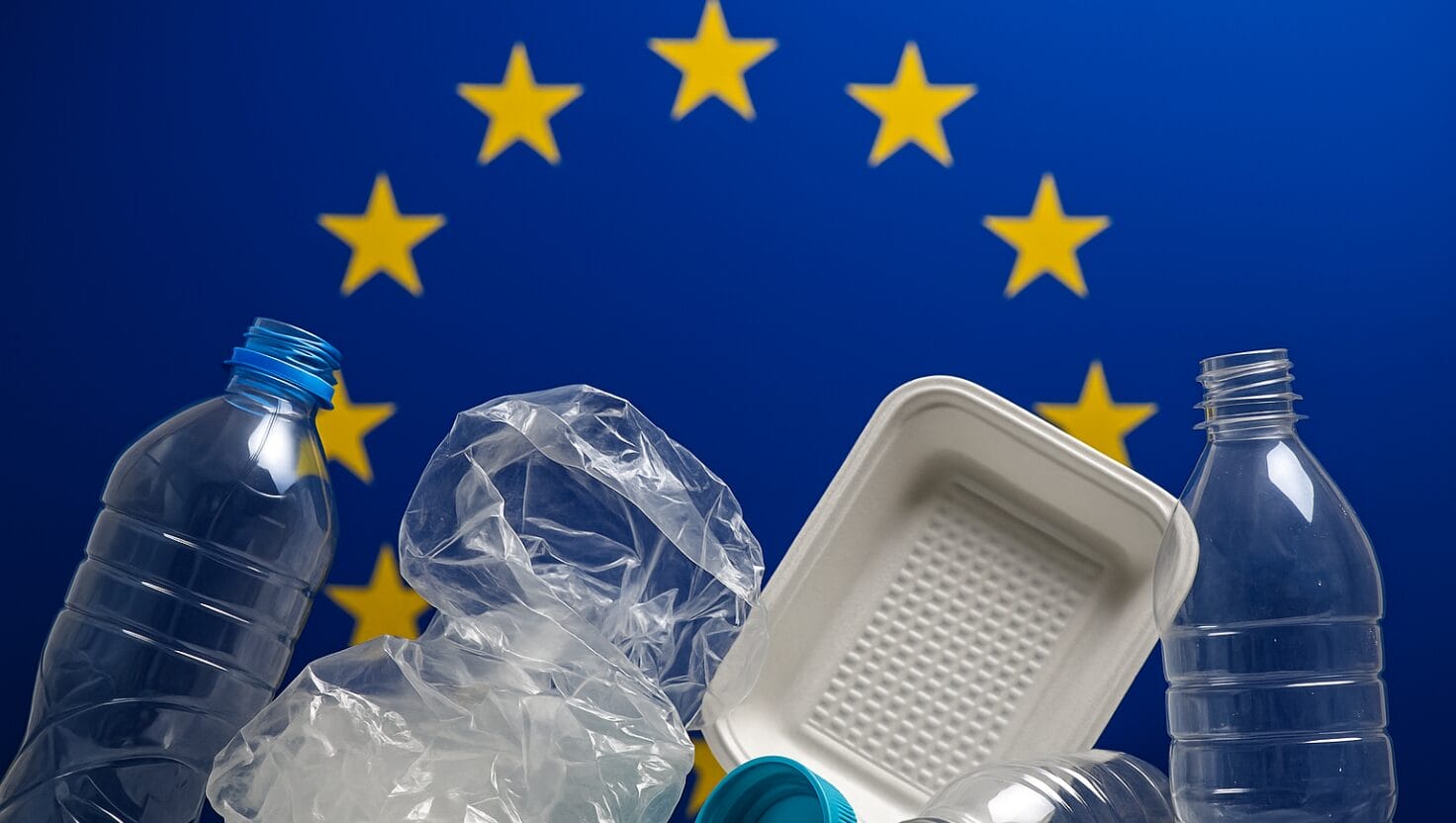
„Xplastics“ is the name of the new plastics recycling plant, which will go into operation in March 2020 and process almost 70,000 tonnes of material from packaging and commercial waste into PO, LDPE and substitute fuels (RDF for short). With their 50/50 joint venture, the two companies SUEZ Recycling Süd GmbH and ELM Recycling GmbH & Co. KG want to make a contribution to closing the plastics recycling loop.
Green light for a green solution: After SUEZ Recycling Süd GmbH commissioned Europe's most modern sorting plant for lightweight packaging in Ölbronn, Baden-Württemberg, in March of this year, the company is investing further in the south of the country together with ELM Recycling GmbH & Co. KG, is investing further in the south of the country. In Bruchsal, just under 30 kilometres away, a New plastics recycling plant in spring 2020 start operations. The aim is to sort and recycle mixed plastics from various input streams, such as from the sorting of waste packaging in Ölbronn or from commercial and industrial collections, to an even higher standard.
Certification as last-receiver facility for dual systems
„With ELM Recycling GmbH & Co. KG, we have found a competent partner with a wealth of experience in the fields of plastics recycling and substitute fuels,“ explains Jochen Zickwolf, one of the plant's two managing directors, explains the choice of joint venture partner. ELM is also convinced: „By working together, we can realise valuable synergies for the circular economy,“ adds Co-Managing Director Eberhard Lebküchner.

The two companies are investing almost eight million euros in the project. Xplastics is also to be certified as a final recipient facility for packaging waste from the dual systems in order to fulfil the new ambitious recycling quotas of the Packaging Act, which came into force at the beginning of the year.
Two-stage process for plastics processing
In a two-stage process, the new plant is to be built just under 70,000 tonnes of mixed plastics and commercial waste per year into PO, LDPE and high-calorific RDF process. Other recycled raw materials such as iron and aluminium are also recovered.
Plastics processing takes place in two steps. In the first process step, the input material from various sources is first sorted using screening drums and near-infrared technology and then transferred to a uniform grain size shredded. After the separation of unwanted impurities, the next step is wet processing using Float-sink method for repeated cleaning of the plastic flakes from heavy impurities such as small glass or mineral particles.
The process produces a highly pure and washed PE-PP mixed fraction (PO), high and medium calorific RDF for use in the cement industry, for example, as well as unmixed LDPE films and other recycled raw materials.
„The recycling market is growing strongly. We also welcome the fact that high-quality plastic recycling is becoming increasingly important for reasons of environmental protection and resource conservation,“ explains Jochen Zickwolf the reasons for investing in higher-quality recycling under the current legal framework.
Source: SUEZ Germany