ZSVR takes stock of recycling

The ZSVR and the Federal Environment Agency announced that the dual systems largely fulfil the statutory recycling targets.

At a joint press conference in Berlin, the Central Agency Packaging Register and the Federal Environment Agency looked at the challenges facing recycling targets. The statutory recycling targets are largely met by the dual systems.

In 2022, the dual systems achieved and in some cases even exceeded the ambitious statutory targets for the recycling of packaging made of paper/paperboard/cardboard, tinplate, aluminium and plastic on average. This means that considerable quantities of this Materials recycled. In the case of plastic packaging, for example, the actual Feed rate for material recycling at 67.5 per cent and thus 4.5 percentage points above the statutory minimum share - four years previously it was still well below 50 per cent.

On average across all dual systems, the statutory recycling targets for glass packaging, beverage cartons and other composite packaging were missed, in some cases by a considerable margin. Nevertheless over 50 per cent of the waste collected in the yellow bin is recycled. supplied. 

„It's still true: waste separation pays off! We are pleased with the good recycling results of the dual systems, especially for metal and plastic packaging. We are currently particularly concerned about other composite packaging and the insufficient collection volumes for glass packaging. Unfortunately, consumers are still not putting enough used glass in the designated collection containers.“

Display

Bettina Rechenberg, Head of Department at UBA

According to a study by the UBA, glass packaging is generally highly recyclable, unless it is a rare special design, e.g. with opaque coatings. They can usually be melted down and used for new glass packaging - again and again. However, even the best packaging design is useless if the empty glass packaging is disposed of in the residual waste after use. They can only be recycled again - sorted by colour - in the glass container. However, collection volumes are falling, partly because too little emphasis on the importance of waste separation and there are fewer and fewer spaces for glass containers. As a result, smaller quantities are being utilised in the recycling plants and valuable used glass is being lost. Compared to the previous year, the Recycling feed rate for glass down by 3.4 percentage points, although the Packaging Act requires a significant increase.
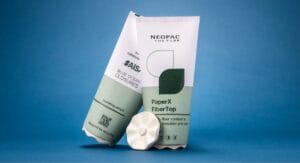

Problems with the recycling of composites

Other composite packaging is often not easy to recycle, as a UBA study shows. Almost every second packaging with a recyclability of less than 90 per cent is composite packaging. There are also Deficits in the recycling infrastructure: In the case of beverage carton packaging and other composite packaging, a large proportion of the recycling capacities will be cancelled in 2022 due to the high energy prices. However, this does not release manufacturers from their product responsibility and the dual systems from complying with the legal requirements. If necessary, adequate prices must be paid to existing facilities or new recycling capacities must be created. There is an acute need for action here.

But there is also a Positive development in recycling technology for beverage carton packagingRecently, not only the paper fibres, but also the plastic and aluminium layers of beverage cartons can be recycled. Thanks to these new technologies, beverage cartons can achieve a recyclability of over 90 per cent. Now the capacities still need to be increased and actually utilised.

Good recyclability of packaging is a prerequisite for high-quality recycling. The ZSVR in agreement with the UBA, publishes an updated minimum standard each year for measuring the recyclability of packaging that typically accumulates as waste with private end consumers. This takes account of packaging trends and new plant technologies. ZSVR Board of Directors Gunda Rachut is satisfied:

„We have already achieved significant milestones on the road to high-quality recycling. Recyclable solutions exist for the majority of packaging on the market. In some areas, those involved are also firmly committed to the development of plant technologies and capacities. Efficient cycles are essential in order to conserve resources.“

Packaging whose material or design does not allow it to be recycled can still be seen on the market. ZSVR board member Gunda Rachut explains: „What is striking is the large Gap between the highly recyclable packaging and other packaging - These are either only slightly recyclable or not recyclable at all. Since 2018, it has been transparently recognisable which packaging solutions cannot be recycled to a high standard. There are sufficient alternatives for this packaging. Why these are not used is unclear.“ The group of packaging collected by the systems for which there is no quota requirement, for example packaging made of bamboo, wood, jute, ceramic or cork, is not recycled in practice. They are therefore particularly problematic.

Source: ZSVR

More news on recycling