Researchers at the University of Maine have developed a new type of packaging material based on mycelium and cellulose nanofibrils (CNF). The water- and oil-resistant material is intended to replace conventional plastic packaging and biodegrade after use.
Plastic-based packaging continues to dominate in supermarkets. At the same time, there is growing concern about health and environmental risks. A recent study reports that more than a quarter of the 16,000 chemicals used in plastic production are potentially harmful to health. Against this background, the team led by Caitlin Howell and PhD student Sandro Zier looked for an alternative made from renewable raw materials.
Combination of mycelium and wood fibres
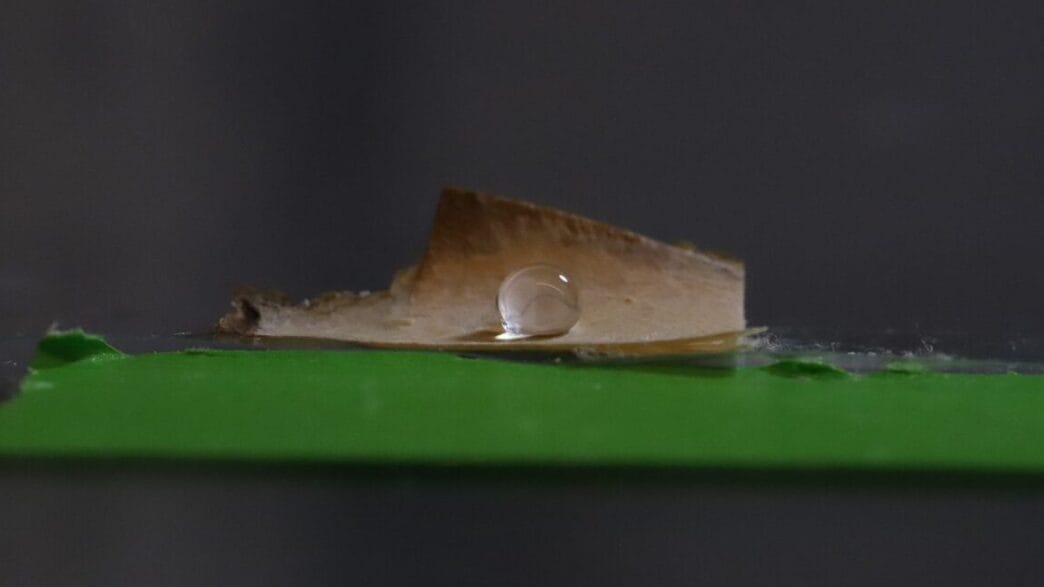
The core of the development is the combination of cellulose nanofibrils made of wood with a coating of mycelium, the root-like network of fungi. Mycelium is characterised by natural water resistance, while CNF contributes oil-resistant properties and biodegradability. Together, they create a material that is both water and grease repellent and therefore fulfils typical requirements for food packaging.

„Plastics are very good at what they do - but so were so-called eternal chemicals and so was lead in paints and petrol. Sometimes it takes us a while to understand the long-term effects of our inventions. But when we recognise them, we can make a difference. The good thing about mushrooms is that we're already eating them - so we know they're safe for us in the long term.“
Caitlin Howell, Associate Professor of Bioengineering at the University of Maine
For the coating, the mycelium of the fungus Trametes versicolor, also known as the butterfly stramete or turkey tail, is cultivated and mixed with nutrients and CNF. The fine fungal threads, known as hyphae, grow evenly through the material. After drying, a layer around 20 to 25 micrometres thick is created - around a quarter of the thickness of a human hair. The process is suitable for coating paper as well as for the production of stand-alone films.
Accelerated production process
One focus of the research was on reducing production time. „Traditionally, it takes weeks to grow mycelium materials so that they are usable,“ said Howell. The team succeeded in shortening the process to three days. In the future, a roll-to-roll process should increase production from square centimetres per hour to square metres per hour and thus enable industrial scaling.
According to the researchers, larger production volumes could further reduce the already low material costs. The development is part of global efforts to reduce the amount of plastic entering the environment. According to the United Nations, between 19 and 23 million tonnes of plastic end up in waterways every year.
Source: University of Maine