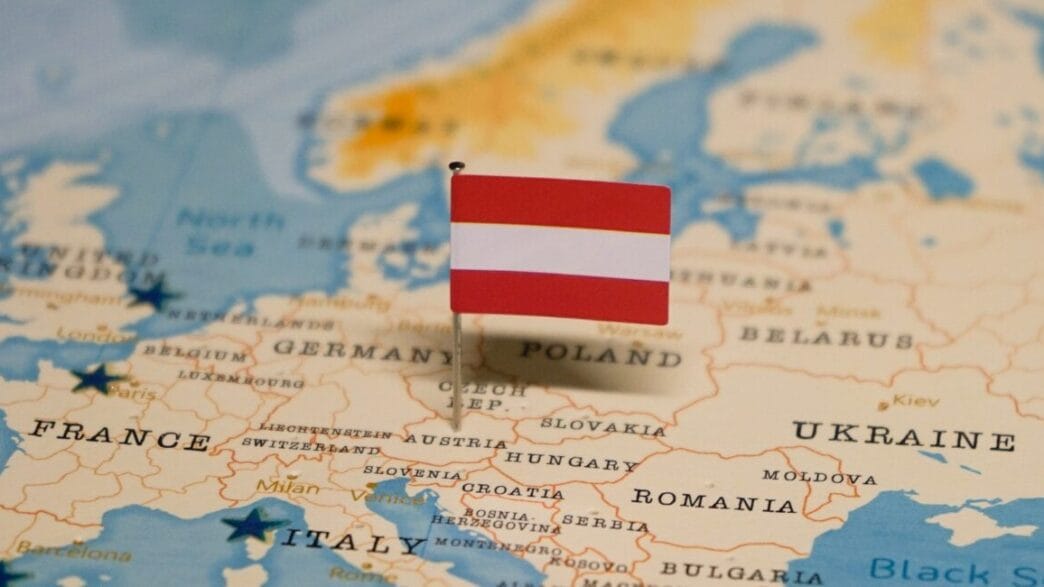
The Austrian Trade Association has been successful with its appeal to the federal government in Vienna: the planned national tax on single-use plastic packaging will not be implemented. This was confirmed by the Federal Ministry of Finance (BMF) following massive criticism from across the entire value chain.
The national plastic tax, originally planned for 1 October 2026, has therefore been dropped. The trade association sees this as an important signal for businesses and consumers. „Today is a good day for the Austrian economy, for domestic trade and for all consumers in the country. Our appeals to the federal government have been heard and the planned plastic tax has been scrapped,“ says Rainer Will, managing director of the trade association.
Criticism of economic consequences decisive
In recent weeks, the trade association had campaigned intensively against the introduction of the tax. In letters to ministries and in discussions at a political level, they warned of negative impacts on prices, consumption, and location. The association had also publicly criticised the measure on several occasions.

„Introducing a plastic tax in the middle of a plastic price shock would have massively hindered the fight against inflation and triggered new second-round effects in the form of price and wage spirals. From our perspective, that would have been wilful damage to the economic location.“
Rainer Will, Managing Director of the Retail Association
Rising plastic prices increase pressure
The decision comes at a time of already rising costs. According to Statistik Austria, prices for primary plastics and rubber have risen sharply recently, by an average of 10.6 per cent from February to March alone. At the same time, the economic recovery in trade has so far failed to materialise: retail sales have recently fallen in real terms.
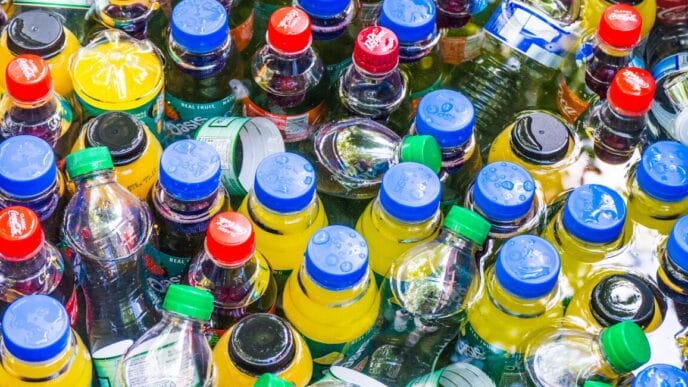
Against this backdrop, an additional tax would have led to further price increases, according to the trade association. PET drink bottles are cited as an example, which would have become up to six cents more expensive. These have been in circulation since the introduction of the deposit system in 2025, with a recycling rate of 99.5 percent.
Clear rejection from the trade
A recent dealer survey by the association also underlines the industry's negative stance. According to the survey, the planned plastic tax was the most heavily criticised legislative measure, even more so than other planned levies.
The trade association therefore sees the decision as confirmation of its position. Instead of new taxes, the association is calling for structural reforms. „We don't have a revenue problem, but a government and federal spending problem. For Austria to get back into the economic fast lane, it doesn't need new taxes, but finally more courage for structural reforms,“ Will concludes.
Source: Austrian Trade Association