On Tuesday 16 January, BASF and 29 other companies founded the „Alliance to End Plastic Waste“ (AEPW).
The aim of the merger of the globally active companies is to develop new solutions to minimise and manage Plastic waste and then bring them to market on an industrial scale. Over the next five years, a total of 1.5 billion US dollars be invested.
The alliance is organised on a non-profit basis. Companies that are active along the Value chain for plastics and consumer goods are active. Participants include chemical and plastics manufacturers as well as companies from the consumer goods industry, retail and waste management. Within the framework of Projects and Co-operations The aim is also to develop solutions for the reuse of already utilised plastics in order to enable a circular economy in plastics production and recycling. Governments, intergovernmental organisations, universities, non-governmental organisations and civil society are involved on a case-by-case basis.

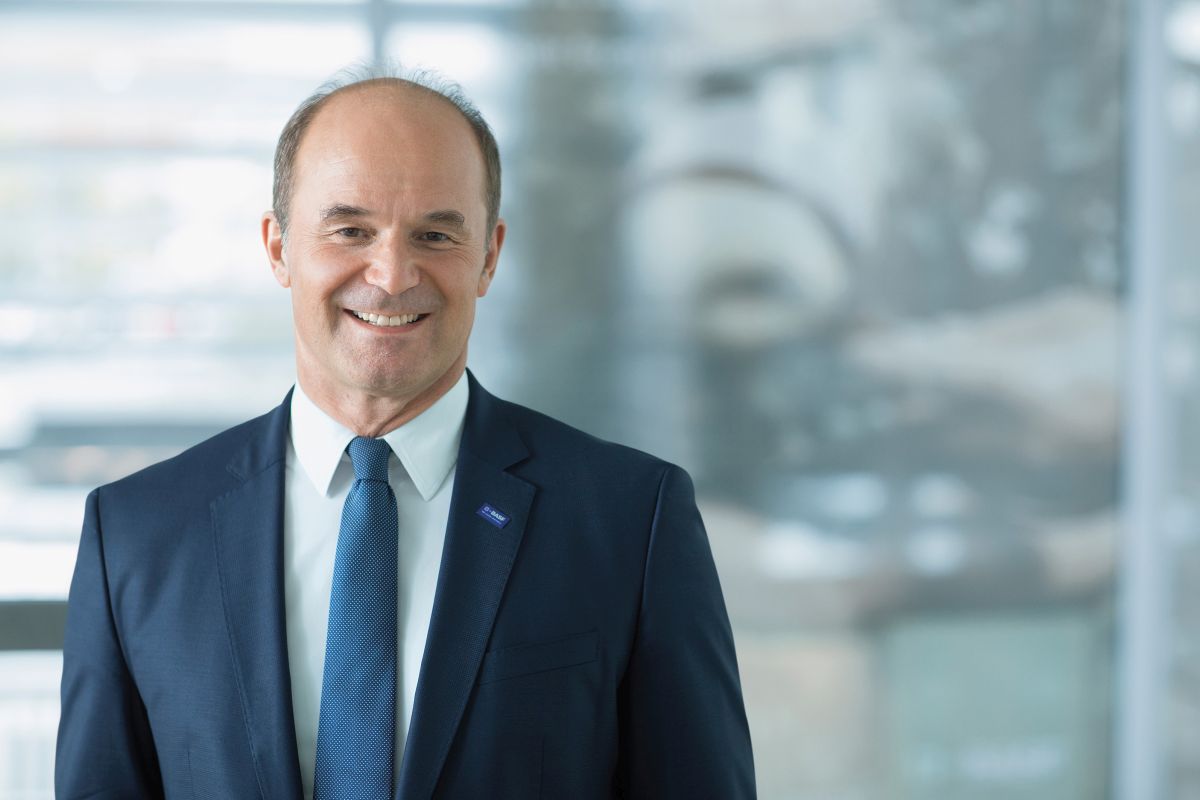
„One important measure to end the uncontrolled release of plastic into the environment is to set up processes that can reuse plastic that has already been utilised as a raw material.“
Dr Martin Brudermüller, Chairman of the Board of Executive Directors of BASF SE
Beyond this area of work, the AEPW in the four major areas Infrastructure development, Innovation, Clarification and integration and Cleaning of water bodies. This is based on a holistic approach. According to the AEPW, the plastic waste in the world's oceans is mainly generated on land and enters the sea via rivers. Ten large rivers, mainly in Asia and Africa, where densely populated areas are located, have been identified as the main dischargers. In the AEPW's view, it is important to create infrastructure for waste collection and recycling and to raise awareness.
Supplementing existing sustainability activities
At the launch of the alliance, those involved were convinced of the necessity of the initiative. „The new alliance is the most comprehensive measure to date to eliminate plastic waste in the environment,“ emphasised David TaylorCEO of Procter & Gamble and Chairman of the AEPW. „An important measure to end the uncontrolled release of plastic into the environment is to set up processes that can reuse plastic that has already been utilised as a raw material,“ explained Dr Martin Brudermüller, Chairman of the Management Board and Chief Technology Officer of BASF SE. BASF is already working together with customers and partners in the „ChemCycling“ project and is developing pilot products based on chemically recycled plastic waste.
„As a global consumer goods and industrial company, we at Henkel want to help stop plastic waste in the environment.“
Hans Van Bylen, Chairman of the Management Board of Henkel (Image: Henkel)

Also Handle sees its involvement as a supplement to already existing Sustainability initiatives, as Chairman of the Board Hans Van Bylen, who is also President of the German Chemical Industry Association (VCI), said. By 2025, Henkel aims to manufacture only product packaging that is recyclable, reusable or compostable. Sabic CEO Yousef Al-Benyan In turn, the alliance also sees this as a sign that plastic manufacturers and processors see themselves as part of the solution and not the problem. One of the Sabic projects, for example, is concerned with the chemical recycling of mixed, low-quality plastic waste into pyrolysis oil, also known as „bio-oil“.
[infotext icon]These are the members of the Alliance against Plastic Waste in the EnvironmentThe following companies are founding members of the Alliance to End Plastic Waste (AEPW): BASF, Berry Global, Braskem, Chevron Phillips Chemical Company LLC, Clariant, Covestro, CP Group, Dow, DSM, ExxonMobil, Formosa Plastics Corporation USA, Henkel, LyondellBasell, Mitsubishi Chemical Holdings, Mitsui Chemicals, NOVA Chemicals, OxyChem, PolyOne, Procter & Gamble, Reliance Industries, SABIC, Sasol, Shell, Suez, SCG Chemicals, Sumitomo Chemical, Total, Veolia and Versalis (Eni).
http://www.endplasticwaste.org[/infotext]