Sustainable investment in the circular economy: With the consistent further development of its recycling process Recycled-Resource - most recently through the introduction of the cascade extrusion system COREMA® - the environmental services provider Interseroh actively contributes to climate and resource protection. This is confirmed by a recent study conducted by the Fraunhofer Institute for Environmental, Safety and Energy Technology UMSICHT on behalf of Interseroh.
According to the scientists' calculations, the use of the Recycled plastic Recythen With the new single-stage process, the company is now cutting climate-damaging emissions by an average of 60 per cent compared to the use of new granulate made from crude oil. In addition, the consumption of primary energy per tonne is around 21,000 kWh lower than the comparable value. The difference is roughly equivalent to the energy consumption of 14,000 wash loads.
Even the use of the recycled raw material Procyclen, which is relatively expensive to produce due to customisation, still saves 54% of climate-damaging greenhouse gas emissions. The data is based on values from 2018.

„The figures confirm that we are on the right track,“ says Dr Manica Ulcnik-Krump, Head of the Recycled-Resource business unit at INTERSEROH Dienstleistungs GmbH. „Further technical improvements to the effective recycling of plastics help to protect the climate - and at the same time increase the benefits for our industrial customers.“
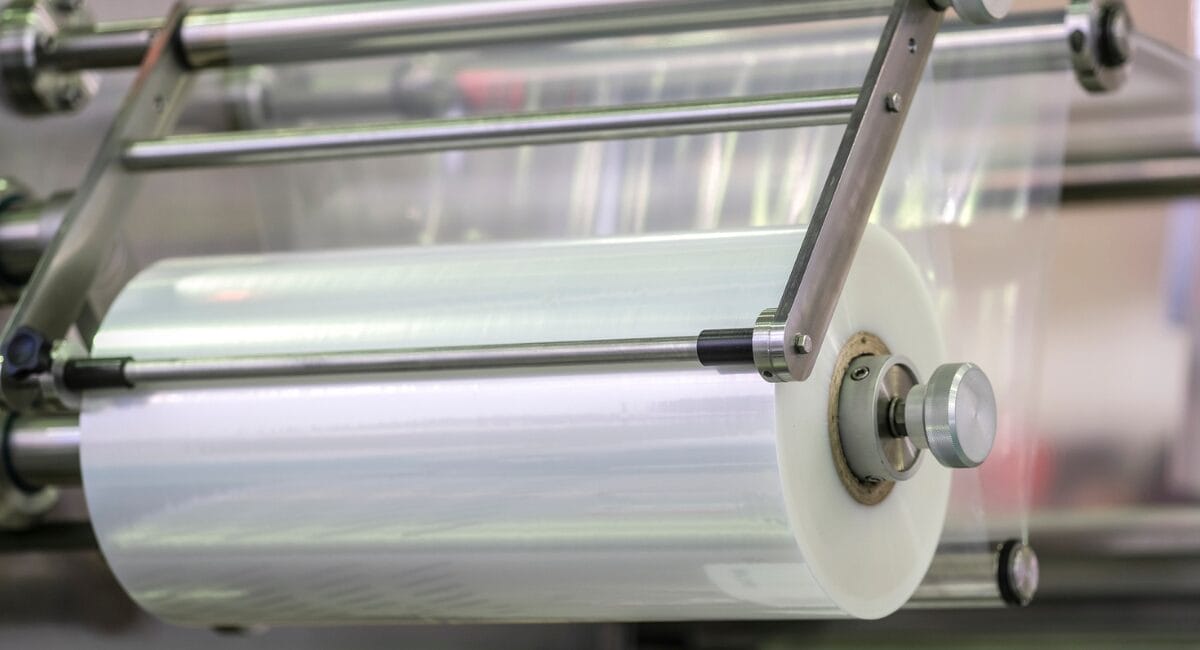
Recompounds, which are produced using Interseroh's own Recycled Resource process, are already replacing virgin material in many areas. With the innovative extrusion system COREMA®, for which Interseroh and the manufacturer EREMA were honoured with the Plastics Recycling Award Europe in 2019, it is now possible for the first time to produce customised recycling compounds in just one process step instead of two.
„This significantly reduces the consumption of energy and resources once again,“ says Dr Markus Hiebel, Head of the Sustainability and Resource Management department at Fraunhofer UMSICHT.
Additives, modifiers and additives can also be added directly in the manufacturing process. Add inorganic fillers. The quality control of material rheology and colour stability is carried out digitally in real time. This allows Interseroh to produce customised recompounds for particularly high-quality applications according to customer requirements - and protect the climate at the same time.
[infotext icon]About Interseroh: Alongside ALBA, Interseroh is one of the brands under the umbrella of the ALBA Group. The ALBA Group is active in Germany, Europe and Asia. In 2017, its business divisions generated a turnover of around 1.8 billion euros and employed a total of around 7,500 people. This makes the ALBA Group one of the world's leading recycling and environmental service providers and raw materials suppliers. In 2017 alone, the ALBA Group's recycling activities saved around 4.1 million tonnes of greenhouse gases compared to primary production and around 30.2 million tonnes of primary raw materials.
[/infotext]Source: ALBA Group