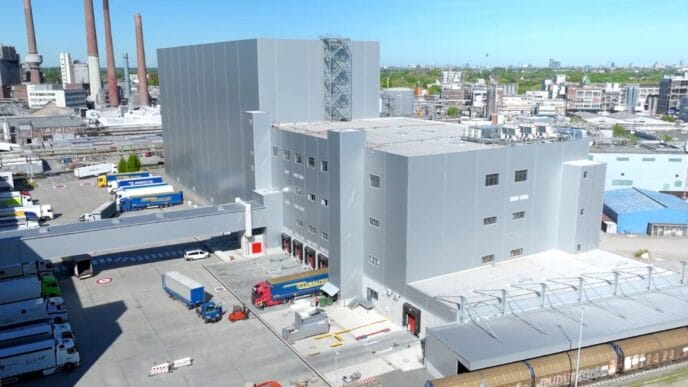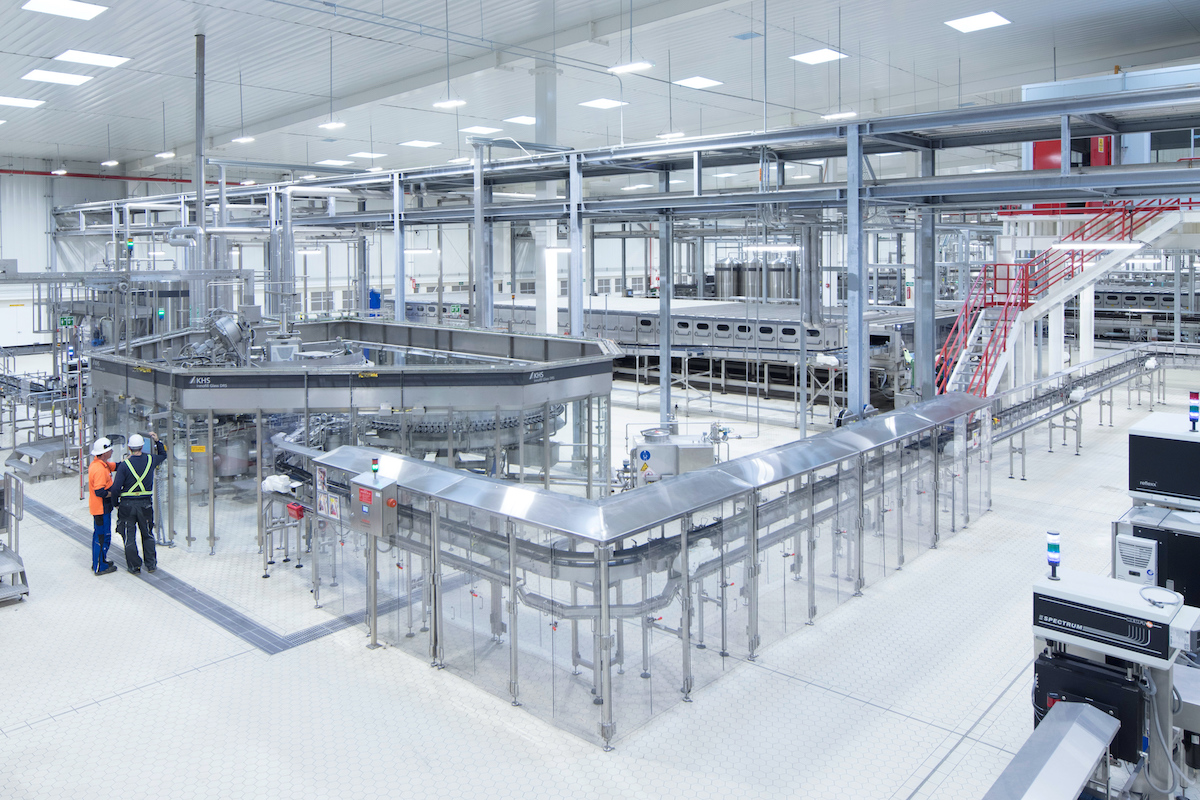
In every respect, Heineken and KHS are setting standards with the newest and one of the largest breweries in Mexico: beyond its impressive dimensions, the plant is a real role model, especially in terms of ecological and economic sustainability.
The potential for the launch of one of the most important greenfield projects in the history of Mexican brewing was realised back in 2006: Cervecería Cuauhtémoc Moctezuma wanted to build its seventh production facility in Meoqui in the state of Chihuahua in the north of the country. Nine years later, the plans were finalised by Heineken México, which had taken over the brewery in the meantime.
With the establishment in Meoqui, Heineken is closing a geographical gap in the north of Mexico. The strategic location optimises the production and distribution network of the company. The region also has a good infrastructure, qualified employees and a local government that specifically promotes economic development.

Largest Heineken location worldwide
With a Capacity of 5 million hectolitres per year the Heineken Group's largest production facility in the world was built on a greenfield site. In addition to the 500 new jobs created in the brewery itself, there are also 1,500 indirect jobs. The site is designed in such a way that expansion is possible in the medium term.
The outstanding importance of the Mexican market for Heineken is demonstrated by some figures from 2016: the Mexican branch contributed a share of 16 per cent of sales, 12 per cent of turnover and 15 per cent of profit of the Dutch company - even before the new plant was commissioned. And - even more importantly - in the same period, Heineken México grew by 4 per cent in volume, 8 per cent in value and an impressive 16 per cent in profit. Against this dynamic and extremely promising background, it is hardly surprising that the decision was made to build a new plant here. to invest around 400 million euros - more than ever before.
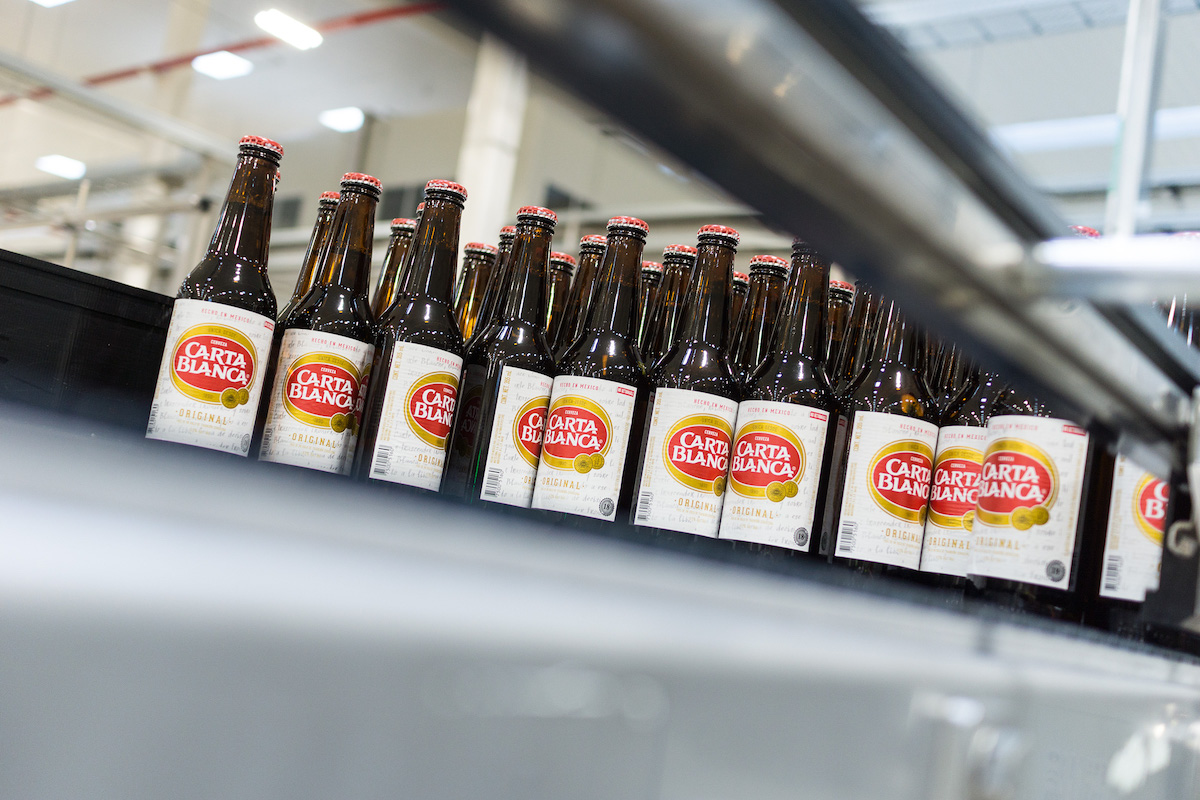
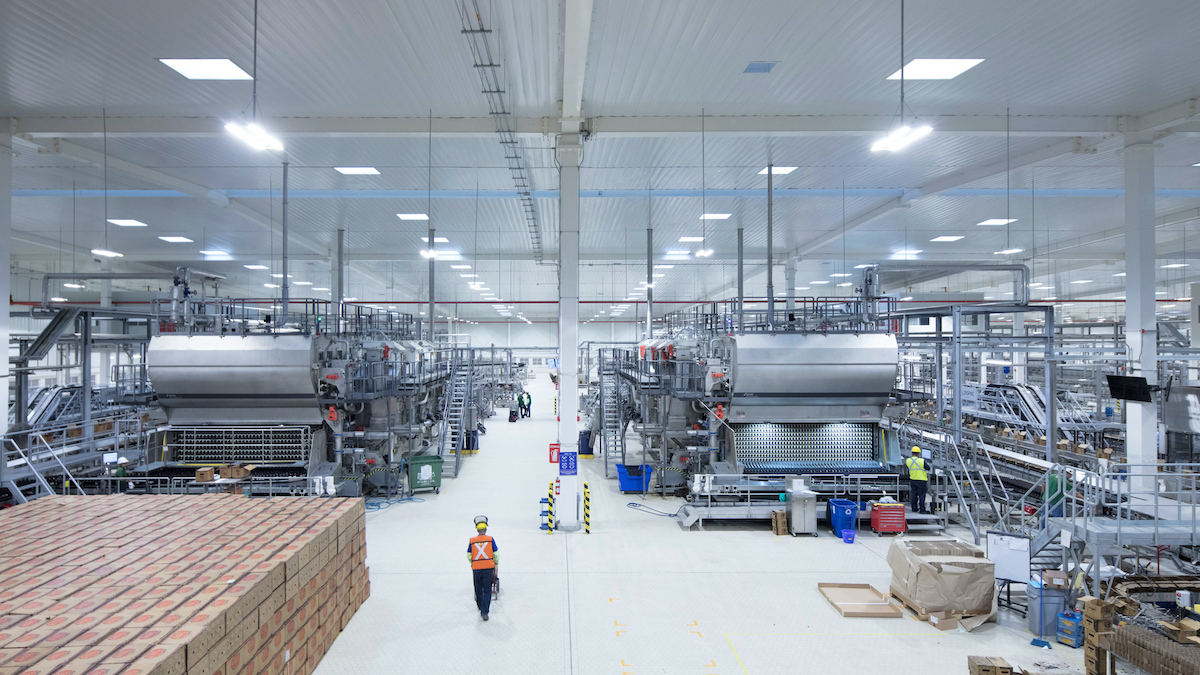
The showcase project comprises a total of six lines, four of which were supplied and commissioned by KHS: Two glass lines for 355-millilitre non-returnable bottles, one for 325-millilitre returnable bottles - all with an output of up to 40,000 bottles per hour - and another for up to 28,000 947-millilitre non-returnable and returnable bottles per hour. The machine programme comprised almost the entire KHS range.
„We have been more than 40 years in business together. It's clear that we can rely completely on the careful, proven and modern processes that characterise KHS as a first-class plant and machine manufacturer with its highly qualified technicians. After all, it's a real challenge to build such a large plant.“
Eusebio Reynoso Razo, plant manager in Mexico
Mexico is a familiar place for KHS, as one of its 11 plants has been located in Zinacantepec since 1992. „At Heineken México, we have a nationwide Installed base of around 80 machines“, says Mario Perez, Sales Manager North Zone at KHS Mexico. „This primarily includes fillers, packaging machines and pasteurisers.“
Maximum flexibility
Here are Two beer types, six beer styles and 13 brands in addition to Heineken - including Tecate, Dos Equis and Indio. This range, which is filled into different containers of various sizes, results in a huge variety of stock keeping units (SKUs) and a large number of possible combinations.
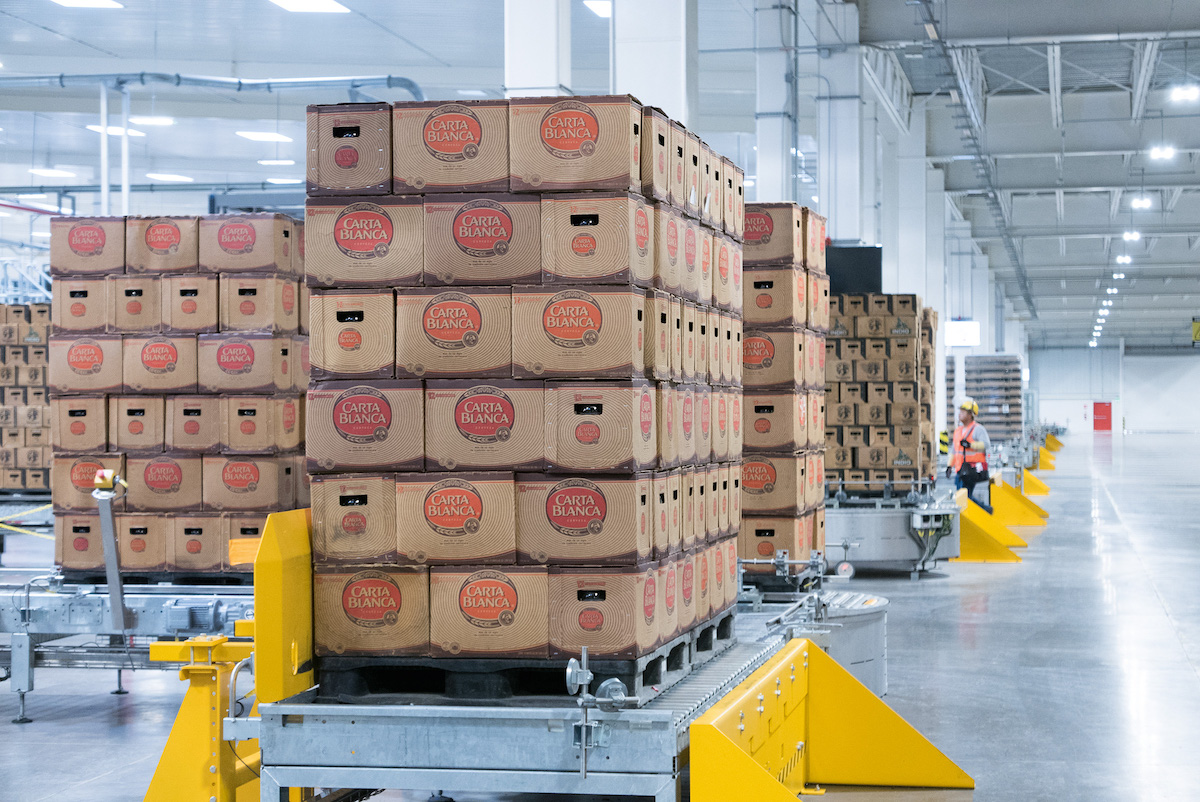
This requires Short changeover times for format changes and maximum flexibility in labelling. There is also a special feature with regard to secondary packaging: instead of plastic crates, reusable cardboard boxes containing 12 or 20 bottles each are used, the handling of which presents a certain technical challenge.
However, in the first few months alone, more than 30 different SKUs were processed on the four KHS lines and more than 1.2 million hectolitres were filled and packaged in glass bottles.
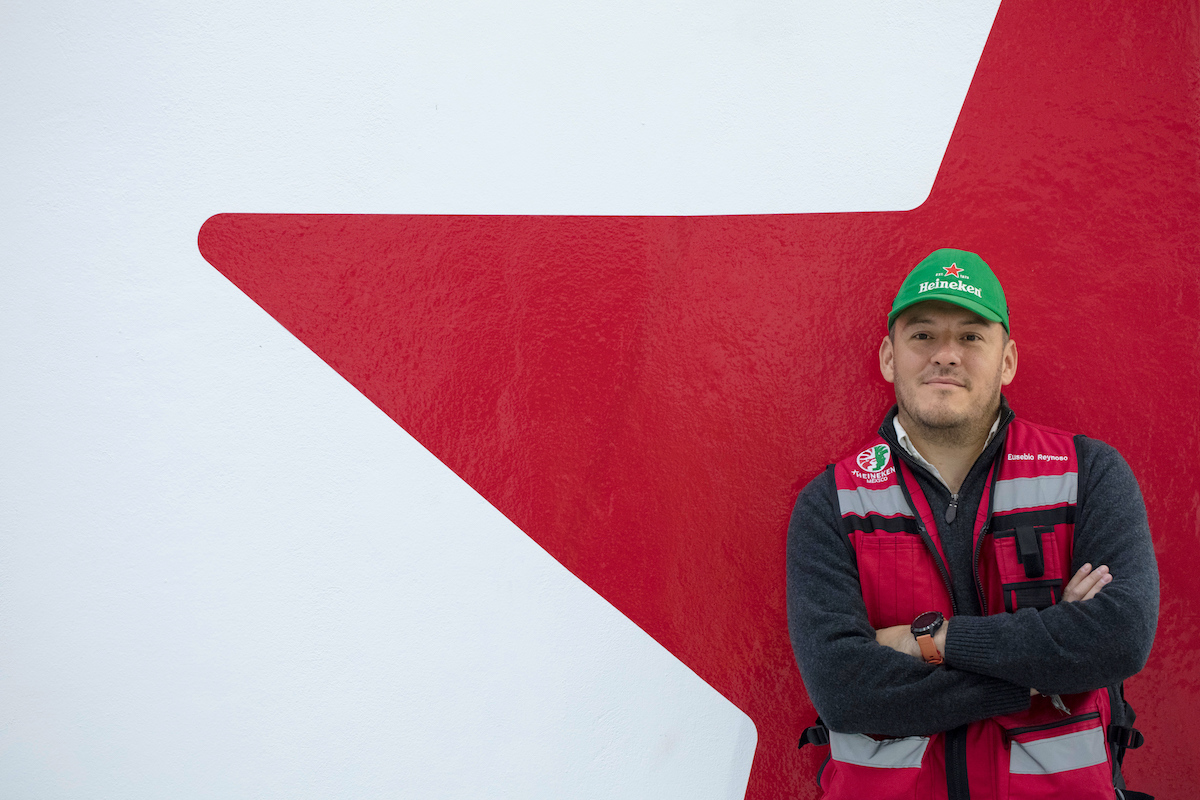
„We have achieved many successes together - from installation and commissioning to the moment when the first filled product pallets left the transporters.“
Eusebio Reynoso Razo, plant manager in Mexico
Exemplary use of resources
The second major challenge relates to sustainability: according to his Self-commitment ‚Brewing a better world‘ Heineken México sees itself as a pioneer. Accordingly, the plant in Meoqui was built according to the most modern principles of the circular economy - with a focus on renewable energies and the efficient use of water.
The electricity comes from renewable sources. For example, there are photovoltaic cells in the windows of the brewery, which alone generate around 12 per cent of the electricity required at the entire site - the rest comes from wind power.
Wastewater treatment is also used to supply all facilities, green spaces and the use of biogas in boilers. The declared goal is to become the Heineken brewery with the lowest water consumption in the world - by 2020, the plant aims to be operating with only two litres of water per litre of beer work.
KHS' sustainable systems were also chosen to achieve this goal: The cleaning machines, which, alongside the pasteurisers, are generally among the largest water consumers in a line, are equipped with the latest technology, which minimises both water and energy consumption. drastically reduced the amount of water and noticeably reduced energy consumption.
Qualification on site
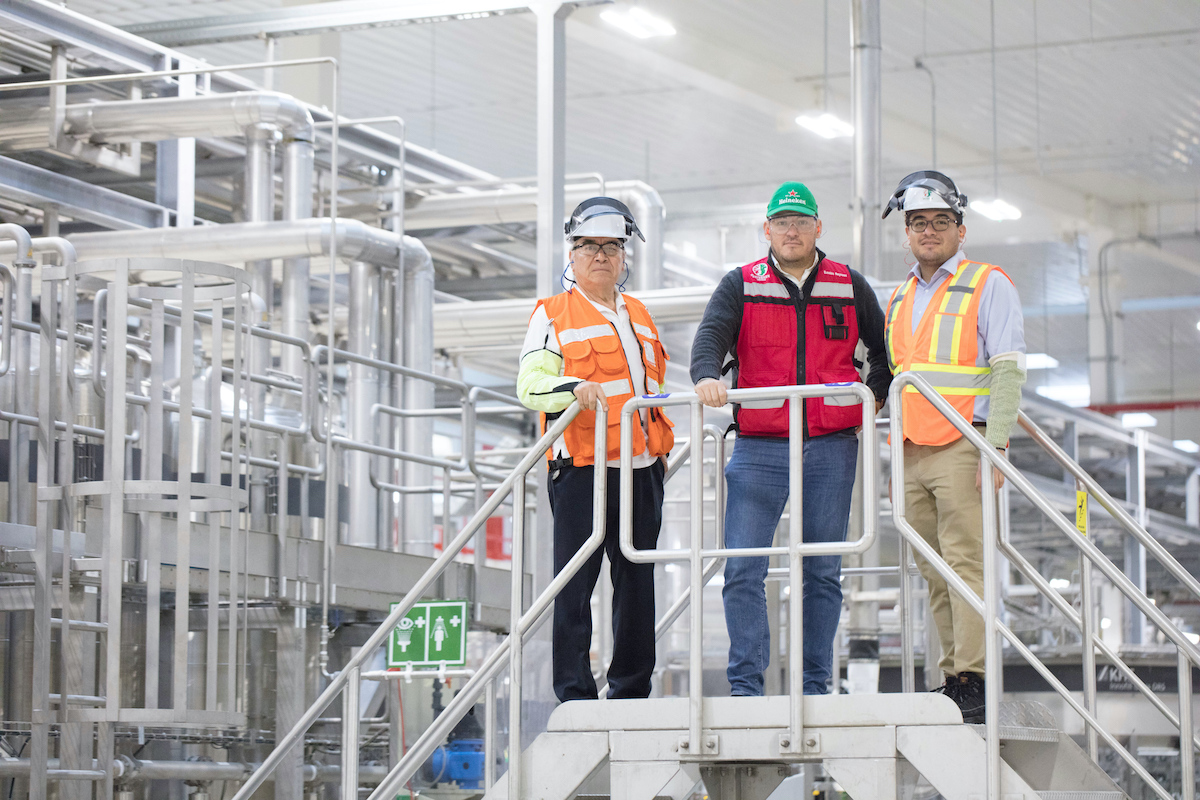
It is also helpful that the systems are easy to operate for the personnel on site. To this end, the selection and qualification of the plant's own employees was started at an early stage - with active support from KHS: to ensure that the lines run properly and are efficient, the local maintenance staff of 40 technicians was trained and coached - an important task in the future as well.
Heineken and KHS as global partners
[infotext icon]In addition to Meoqui in Mexico, the following major line projects have been realised for Heineken in the last two and a half years:Heineken and KHS have enjoyed a strategic relationship for decades, as impressively demonstrated by a large number of successful projects „México utilises our entire product portfolio. You can feel that Heineken, for all its size, is still a family business: there is always a long-term view of relationships, a partnership and a fair relationship.“
Ramona Brenner, Global Key Account Manager at KHS
- Port-au-Prince, Haiti: Returnable glass line (up to 40,000 bottles per hour)
- Ho Chi Minh City, Vietnam: Returnable glass line (up to 54,000 bottles per hour)
- Vialonga, Portugal: One-way glass line (up to 55,000 bottles per hour)
- Itu, Brazil: Dosing line (up to 120,000 cans per hour) [/infotext]
Source: KHS Group