Etimex Primary Packaging produces plastic primary packaging at its site in Dietenheim near Ulm. It mainly uses monomaterials, which ensure that trays, flexible films, thermoforming and pharmaceutical films are fully recyclable.
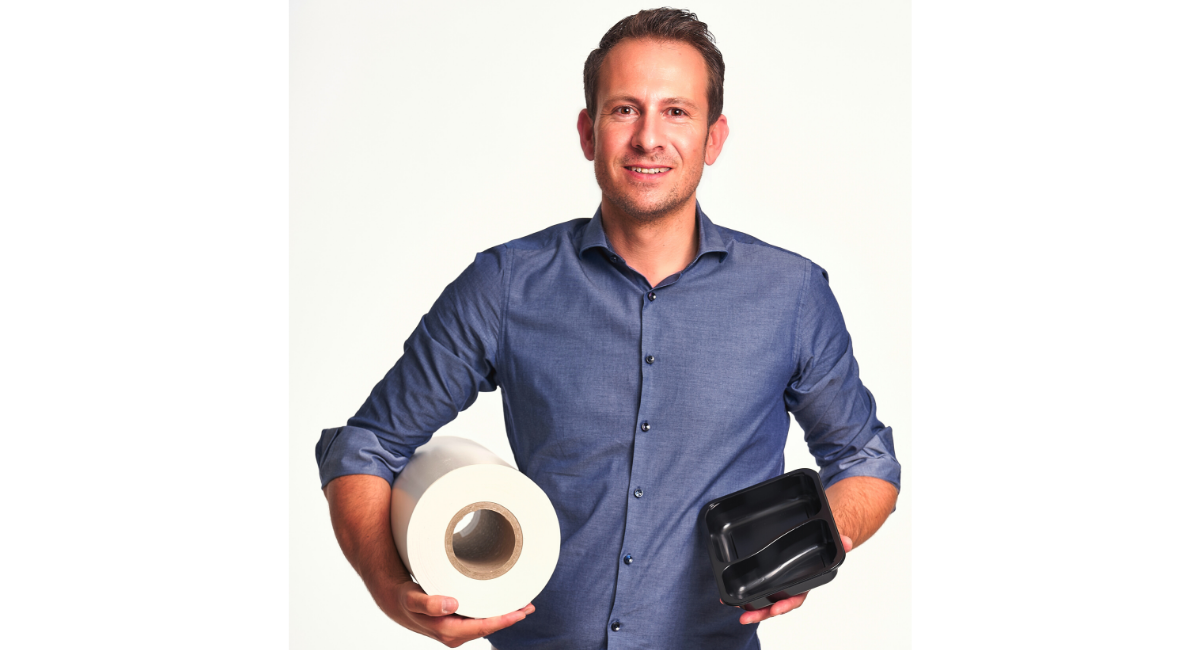
Etimex was founded in Stuttgart in 1950 as a trading company for industrial yarns. In 1956 the Plastic processing from PE to films and bags as a second focal point. Today, the company has technologies such as Extrusion, thermoforming and injection moulding and offers its customers everything from a single source: from the initial idea to design development, prototype production, pilot mould and toolmaking through to production and delivery. This results in packaging for food, pet food, baby food, convenience and pharmaceuticals. Environmentally friendly solutions and sustainable production conditions are a key component of our corporate strategy. We have worked with Sales and Marketing Manager Martin Rank We talked about the future of plastic, the advantages of monomaterials and the image of plastic packaging.
pj: Mr Rank, the mood towards plastic packaging is poor. What do you say to critical consumers?

Martin RankI wouldn't describe the mood towards plastic as bad, but the arguments against plastic are too one-sided. Plastics have their raison d'être and will continue to do so in the future, as it is an excellent material that just needs to be handled correctly. For many packaged products, especially food, there is currently no real alternative. Our Plastic monomaterials are 100 per cent recyclable - These benefits need to be communicated more effectively. This is where the associations are called upon, but also the plastics processing industry, packaging manufacturers and the media. Unfortunately, the public debate on plastics has so far not been objective. It is therefore urgently Educational work from all sides necessary. Plastic should not be portrayed in a fundamentally bad light. That simply does not do justice to this good, versatile raw material.
pj: Etimex already has a range of environmentally friendly packaging solutions made from mono-material in its programme. Will conventional composite materials disappear in the future?
Martin Rank: We have a clear strategy on how Primary packaging in the future should look like. This includes the conviction that all A successful future for monomaterials will have. Material composites that are not recyclable, on the other hand, will find it very difficult to hold their own on the market in the future. Etimex positioned itself here very early on and has had PP monomaterial with or without a barrier function in its portfolio for over 25 years. One forward-looking solution, which is 100 per cent recyclable.
pj: Keyword sustainability: your company is committed to making not only its products, but also its production and working environment more environmentally friendly. What does this look like in detail?
Martin Rank: Environmental protection and a sustainable energy policy are very important to us. We constantly scrutinise our own actions and, for example, encourage our employees to save energy, just as they do at home. In the company, we have focussed on Energy-saving LED technology which minimises electricity consumption. For more than 20 years, we have been using groundwater to supply cooling water to our moulding plants and use the waste heat generated for heating. We use reusable returnable packaging and recycle production-related plastic waste. The company is ISO 14001 certified, and we operate a according to DIN EN ISO 50001 certified energy management system.
pj: Do you also use recycled material in production?
Martin Rank: No recyclate is currently used in our products. However, we recycle 100 per cent of the punched grids produced during the manufacture of menu trays and reuse this material. This means that there is no waste in production. We are currently developing a project that will „Circular PET“ called. This involves a chemical process for recycling PET packaging that enables the material to be used indefinitely. The first Test runs are still scheduled for the end of 2019 planned.
pj: One of your new developments is sortable black trays. How does this work?
Martin Rank: Detectable solutions made of CPET and PP are highly interesting for the future. At present, black trays are not recognised by the near-infrared scanners in sorting systems. Our new CPET and PP trays can be recognised by the Use of a special masterbatch can be detected by near-infrared light (NIR) and can thus be identified in the recycling process. To put it simply, the colour of the trays was changed minimally. Tests have shown that 98 percent of the trays with the changed colour were detected in the sorting systems. That is an excellent result. And it is a clear statement on the subject of the Packaging Ordinance - black PP and CPET trays are now detectable and recyclable. Of course, the possible applications remain unchanged.
pj: Many of your products are used in the food industry. How can environmentally friendly mono-material films be reconciled with the desired long shelf life of sensitive packaged goods?
Martin Rank: Barrier functions and monomaterials go well together: We use EVOH because it has the best barrier properties against oxygen and water vapour. As the EVOH barrier layer less than five per cent the material is considered Single substance solution. We provide food producers with added value in terms of how they can package their products in a more environmentally friendly way without compromising their shelf life.
pj: Etimex also produces thermoforming films for the pharmaceutical industry. Is there also a trend towards more sustainability in this industry?
Martin Rank: The pharmaceutical market is currently still rather conservative. However, I am convinced that PVC and aluminium will also be dispensed with here in the future and more monomaterials will be used. Changes will take place in the medium term. Etimex is already prepared for this: We are already producing aluminium-free PP single-material blister and have developed further solutions. This allows us to switch over immediately if a customer so wishes.
pj: What are you currently working on?
Martin Rank: We are currently expanding the range of Thermoforming sheet and menu tray. For this we have a New PP sealing film which will soon be added to our portfolio. It is also a 100 per cent recyclable single-material solution. The final test runs are currently taking place and the product will then be ready for use.