Huhtamaki Flexible Packaging Europe is increasingly focussing on recyclate in the area of flexible packaging. The company processes LDPE recyclate from APK in laminated tubes.
The plastics and packaging industry faces the challenge of using raw materials in the most resource-efficient way possible. Plastic recyclates are therefore increasingly being used in production. So that the packaging of their Protective function However, the demands on the quality of recyclates are correspondingly high.
„We were recently able to process the first quantities of plastic recyclates in one of our standard plastic barrier laminates for tubes. We are thus making an important contribution to the EU recycling targets in the flexible packaging segment“. Thomas Stroh, Research and Development Manager at Huhtamaki Flexible Packaging Europe.
LDPE recyclate in use
Huhtamaki uses polyethylene (PE) recyclate from the Merseburg recycling company APK AG. It is sold under the name Mersalen® marketed. With the help of the solvent-based Newcycling®-APK technology, Mersalen will be complex multilayer film waste from polyethylene and polyamide. These waste streams are difficult or impossible to recycle using most conventional mechanical recycling processes.

„The quality and purity of our LDPE recyclates is almost equivalent to virgin material. For this reason, Mersalen can be used in a wide range of packaging solutions“, Florian Riedl, Director Business Development at APK.
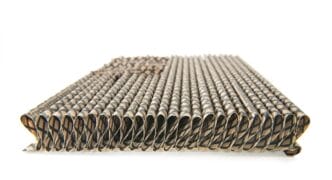
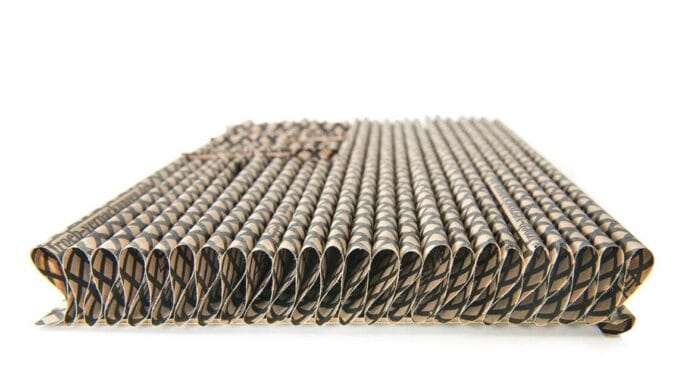
The new tube, made with Huhtamaki's laminate, consists of 19 per cent mersalen®. The functionality is almost identical to the properties of the conventional tube produced exclusively from virgin material.
Increase recyclate content
Building on this first step, the research and development team at Huhtamaki Flexible Packaging Europe is pursuing ambitious goals. The proportion of recycled material in the laminate tube is to be increased and recyclates from various waste streams are to be tested.
At present, the main focus is on the Raw material sources for plastic recyclates on post-consumer waste. In addition, there are relevant quantities of post-industrial plastic waste that should also be recycled. The latter represent a valuable addition to recyclate volumes from post-consumer waste. They enable the plastics and packaging industry to achieve the ambitious targets of the EU Plastics Strategy by 2030.
„APK deals with various waste streams and produces recyclates from post-industrial material and conducts research into post-industrial/post-consumer compound solutions. Its ultimate goal is to process mixed post-consumer plastic waste into high-quality recyclates,“ summarises Riedl.
Source: Huhtamaki Flexible Packaging Europe