In a joint research project, the Institute for Ecological Economy Research (IÖW) and the ifeu - Institute for Energy and Environmental Research in Heidelberg are comparing various packaging solutions. In May and June, consumers can find out about their sustainability in Heidelberg shops.
In the last twenty years, plastic packaging for food, clothing and cosmetics has doubled. Sustainable alternatives for everyday shopping are still the exception. The Innoredux research project of the Institute for Ecological Economy Research (IÖW) and the ifeu - Institute for Energy and Environmental Research in Heidelberg.
From 1 May to 31 July, consumers can visit the packaging laboratory Everything inside, little around it compare different packaging solutions and find out about their sustainability. The research project is being funded for three years by the Federal Ministry of Education and Research (BMBF) as part of the „Plastic in the environment - sources, sinks, solutions“.

Packaging laboratory presents packaging solutions
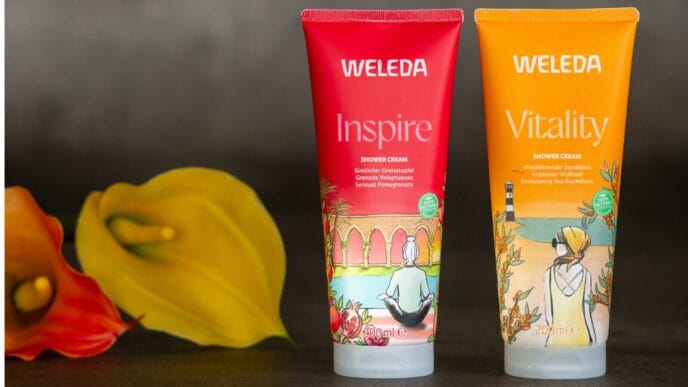
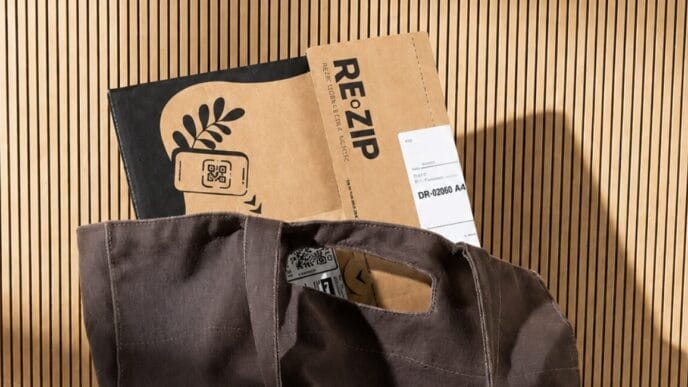
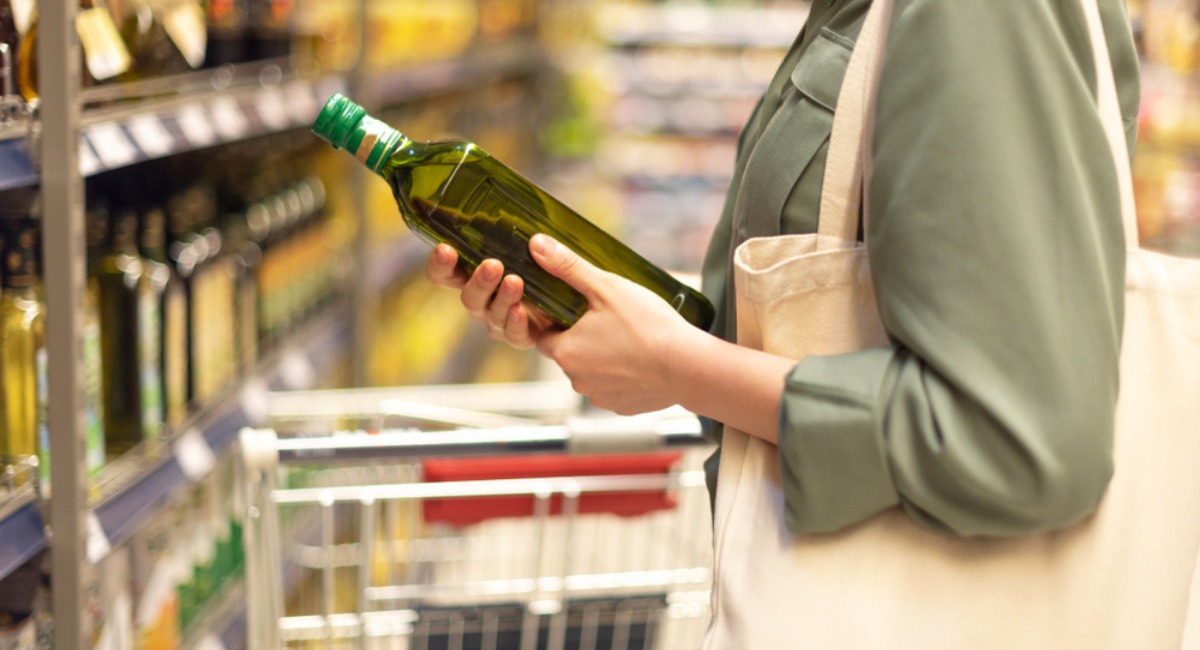
The Project partners Alnatura, dm, the Heidelberg unpackaged shops, the online retailer memo and many other Heidelberg shops present various packaging solutions for food, laundry and cosmetic products and office supplies. Heidelberg consumers can find out on site how sustainable the packaging is, evaluate the alternatives on offer and take part in a customer survey.
The Packaging laboratory is being scientifically supported by the IÖW and ifeu and is intended to provide insights into how packaging can be reduced in the retail sector and which Opportunities for new business models result from this.
„We are particularly interested in how the packaging is perceived and used by customers and what experiences the participating shops have.“ Frieder Rubik, project manager from the IÖW
Andreas Wille, owner of Annas Unverpackt in Heidelberg, on the launch of the packaging laboratory: „We have been experimenting in our in-house packaging laboratory, our unpackaged shop, for almost six years now. We are delighted that the lab space is now so much bigger.“ Avoiding waste is also a top priority for the drugstore company dm: „Avoiding plastic is particularly important to many of our customers and to us. In the packaging laboratory, we can now offers the widest possible range of sustainable packaging options offer,“ says Dagmar Glatz from dm.
In addition to the activities in the shops, the city of Heidelberg and the German Federation for the Environment and Nature Conservation (BUND) are also organising various events. „We want to support citizens with a variety of lectures and excursions on the topic of plastic avoidance, show the red card to unnecessary waste“, says Stephan Pucher from BUND Heidelberg.
Municipal support against the flood of packaging
Based on the experience gained in the packaging laboratory the project develops strategies for municipalities and companies, to support them in promoting the use of sustainable packaging solutions and reducing the amount of plastic waste. The aim is to facilitate the practical implementation of alternative packaging solutions beyond Heidelberg. For retail companies, this includes a categorisation of business model innovations for less packaging and company checklists.
An important basis for corporate decisions are the Life cycle assessments of various types of packaging prepared in the project, as Isabell Kuhl from Alnatura emphasises: „We want to select more environmentally friendly packaging for Alnatura one by one and focus on actual rather than perceived sustainability. The life cycle assessments that were created in the project are a very good guide for this“.
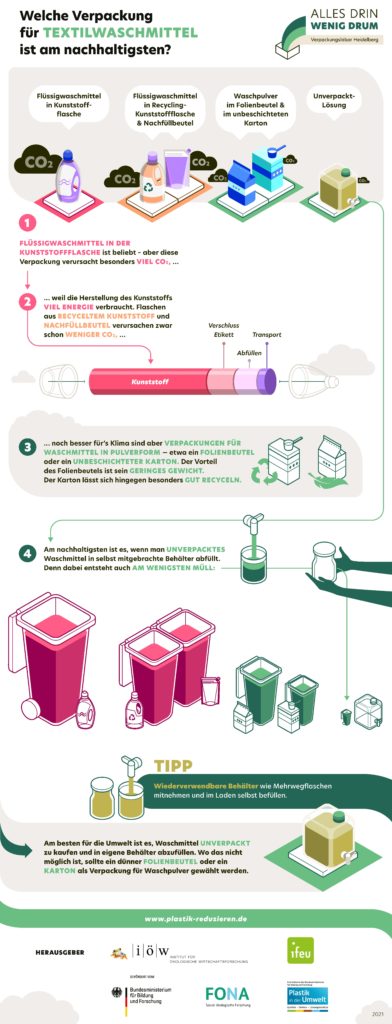
Five infographics show which packaging is the most sustainable for each product. „The impact of the various types of packaging on the environment and on waste generation is summarised in compact form and easy to understand for consumers “, says Andreas Detzel, project manager at ifeu.
Practical options for action at municipal level are being developed for cities and municipalities in the form of a handout. „The project provides us with concrete insights into how plastic packaging can be reduced in the retail and mail order sectors and how we can take consumers with us. We hope that this sustainably within the scope of our municipal resources “, says Heidelberg Mayor Raoul Schmidt-Lamontain, Head of Department for Climate Protection, Environment and Mobility.
Source: Institute for Ecological Economy Research