According to a recent market analysis, the German recycling industry could become the driver of a new circular economy and thus counteract the dependence on raw materials. The prerequisites are regulatory clarity, strategic alliances with industry-orientated recycling tech start-ups and a paradigm shift on the part of the manufacturing industry in the use of recycled plastics.
Germany and Europe are comparatively resource-poor regions. In the coming years, raw material prices and social pressure towards sustainability will continue to rise. The need for new, more flexible reprocessing technologies and higher recycling capacities is increasing, according to the current report. Industry Snapshot: Recycling in Europe of Helbling Business Advisors is growing rapidly.
The management consultancy regularly analyses Developments, trends and regulatory innovations in the European recycling market. Accordingly, there is potential for optimisation and growth: The EU-28 countries produce a total of over 2.3 billion tonnes of waste every year (Germany: around 417 million tonnes). Only just over 38 per cent of this is currently recycled, the rest is incinerated or exported to other countries - which means that valuable resources go abroad or are simply wasted become.

Recycling sector becomes a key industry
An economic mistake, warns Daniel Jürgenschellert, Managing Director and lead industry expert for the report at Helbling Business Advisors: „Germany and Europe would be well advised to reduce the extensive export of used materials and further expand circular economy cycles. Comprehensive recycling, especially of materials in the technology sector, is essential in order to become less dependent on international raw material imports in the medium term.“ For larger recycling providers, the systematic development of innovative recycling management systems offers attractive growth prospects. Regional, specialised players could benefit from industry consolidation, says Jürgenschellert. According to analyses by Helbling Business Advisors, on the basis of which the current Industry Snapshot was created, the European recycling market to grow to over USD 242 billion in the next ten years (currently: USD 148 billion).
Consider the idea of a closed loop as early as the development stage
The manufacturing industry must also play a decisive role in a paradigm shift. „Importing primary raw materials is becoming less and less worthwhile, especially for plastics. Manufacturing companies will have to Look for alternatives to a new purchase in the medium term will have to be,“ predicts Jürgenschellert. „Whether it's the invisible underbody area in automotive construction or the high-quality appearance of packaging in the beauty and personal care sector - manufacturers have so far relied on the use of new, colour-coordinated raw materials across the board.“ In his opinion, companies and end customers in Germany will have to weigh up the profitability and sustainability aspects of using recycled raw materials more carefully in future. prefer minor compromises in the appearance of the end product want. „Plastics processing companies should therefore take the circular economy concept and the available recycling processes more into account today when designing and developing their products.“
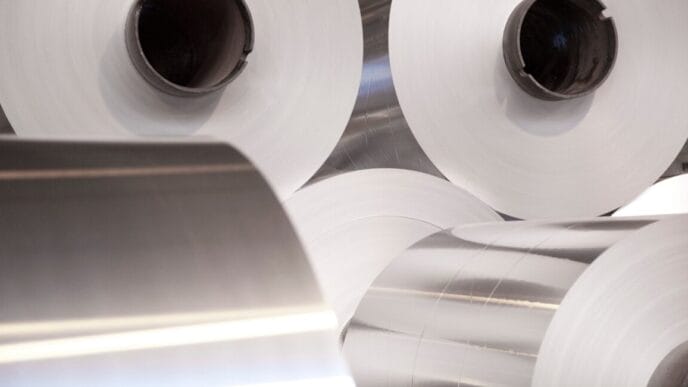
[infotext icon]The Industry Snapshot: Recycling in Europe is published annually by the management consultancy Helbling Business Advisors. The market analysis bundles current figures, trends and challenges of the recycling market development in Europe, with a dedicated evaluation of selected industrial materials, including battery cells, aluminium, copper, steel, plastic, glass and paper, etc.[/infotext].SourceHelbling Business Advisors