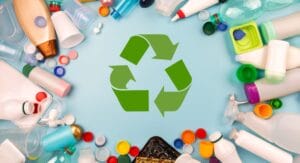
The recycling of multi-layer packaging is often difficult because the individual layers have to be separated first. A strategic partnership between BASF, Sulayr, Bobst and Evertis has found a recycling option for such packaging.
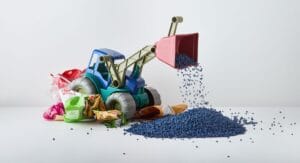
Multilayer packaging based on polyethylene terephthalate (PET) could have a promising and sustainable future. Sulayr has successfully organised a Process for recycling multilayer packaging launched on the marketwhich fulfils the requirement of a "closed-loop" and enables PET to be reused.
A new life for multilayer films
BASF, Bobst and Evertis support Sulayr. The companies have formed a strategic partnership in which they pool their expertise from the entire packaging value chain.. The centrepiece of the process is a multilayer film produced by Evertis, which consists of a PET and PE layer that is laminated on a Bobst coating system using a water-based Epotal adhesive from BASF. Sulayr utilises the waste as a raw material and thus ensures a "closed loop". The company separates the different layers and reutilises the PET. The recycled PET is supplied to Evertis and other film manufacturers, who restart the cycle.
The process can be used for waste from consumers (post-consumer) and industry (post-industrial) and therefore has the following advantages Potential to revolutionise the entire utility model of PET-based packaging. Sulayr has been able to separate different types of multilayer packaging since 2009, but the speed and cost-effectiveness of the process depends on the debonding (separation) of the films.
"Thanks to our technologies, we are able to separate most PET-containing multilayer packaging and make the recycled PET available to the industry again as a raw material. However, we notice differences in the trays that are delivered to our company after they have been used. BASF's water-based Epotal adhesives, for example, enable quick and easy separation and high quality recyclates. This is not the case with solvent-based adhesives, for example. We are certain that an improved process can contribute to better recyclability of PET-based multilayer packaging. This would provide the packaging industry with new opportunities to overcome its existing sustainability challenges."
Miguel Ángel ArenaCEO of Sulayr
One way to optimise the recycling process is to use all the Produce PET/PE trays under specific conditions that ensure easy separation. It is precisely in this area that the partners work together: Before a new laminate is launched on the market, it is qualified by Evertis, for example, in terms of its recyclability as part of the Sulayr process. This ensures that the individual layers are easy to separate.
"This collaboration can be groundbreaking for the future of flexible packaging. It shows that the circular economy for PET-based packaging is economically feasible if we all pull together. We are seeing good results with our water-based adhesives in the recycling and debonding of multilayer packaging. They can play a decisive role in this process and we are confident that we can optimise the process even further. At BASF, we are working on special adhesives that enable even easier separation under certain conditions. The more we endeavour to demonstrate the feasibility of this process, the faster it can become the standard for all laminating adhesives. This would take us a decisive step further towards the recycling of multilayer packaging."
Thomas Peter SchieleVice President Adhesives, Fibre bonding and Paper Coating Chemicals at BASF
Sulayr and his co-operation partners also hope that the Changing perceptions within the industry on a broad basis becomes. PET-based multilayer packaging is required for many industrial applications, but has not been considered a sustainable solution until now. This best practice could change the discourse between value chain stakeholders and packaging associations such as Petcore and CEFLEX on PET, waste and sustainability.
"As an industry, we want to work together towards a sustainable future for all types of flexible packaging. As a manufacturer of printing and converting machines, we have a duty to make our contribution towards sustainable, recyclable solutions. To this end, we are continuing to develop our equipment platform in terms of the most suitable coating technology, process agility and speed with water-based adhesives. Thanks to the work of all our partners, we now have the opportunity to secure the future for PET-based multilayer laminates."
Sara AlexanderMarketing and Communication Manager Flexible Packaging at Bobst
Source: BASF
More news on the topic of recycling


Paperisation trend in the food industry on the rise

High recycling performance of glass packaging in Europe

dvi: Guidance paper on securing loading units

Cycle for strapping bands