PAKi Logistics: The standard remains, the stress must go
The Euro pallet is an indispensable part of the supply chain, yet increasing demands are putting companies under pressure. Efficient processes and digitalisation are crucial.
Read more " 



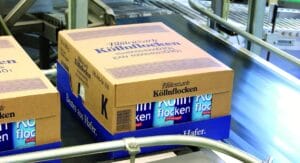
Most PPK transport packaging is so-called shelf-ready cardboard packaging in which products can be offered directly on the shelf. 70 per cent of shelf-ready cardboard boxes are used to transport food. In the study, the consumption of transport and product packaging was compared using four product groups (cereals, frozen vegetables, pasta and chocolate) as examples. „A good 85 per cent of all packaging waste is generated on the journey of a 500 gram plastic pasta package from production to the shopping trolley. This means that almost six times as much packaging waste is generated for the transport of the pasta as for the product packaging itself,“ says Miller.

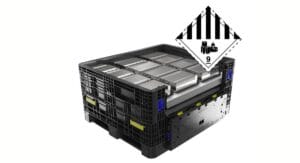
The best solution is to use reusable crates to reduce the environmental impact of transport packaging. For some product groups such as fruit and vegetables, baked goods and meat products, reusable packaging is already established practice. However, the potential is far from exhausted.
The study shows for fruit and vegetables, baked goods, eggs, cereals, frozen vegetables and chocolate bars, that material savings can be achieved after just three to six cycles of a reusable crate compared to the disposable PPK alternative. Reusable crates for fruit and vegetables already go through 35 cycles or more, which saves over 90 per cent of packaging material compared to disposable crates.
„The existing reusable systems must be further expanded and new systems must be developed across manufacturers and retailers,“ demands Dr Michael Jedelhauser, NABU's circular economy expert. „The Legislators should honour and specifically promote the ecological benefits of reusable packaging - for example by making reusable packaging more favourable from a tax perspective or by making disposable packaging more expensive.“
Source: NABU