Etma awards the best tubes of 2026.
The winners of the etma competition „Tube of the Year 2026“ have been announced. The jury selected the best entries in the categories Aluminium, Plastic, Laminate, Sustainability and Prototypes.
Read more " 



Other advantages of the new solution include short cycle times during thermoforming and high rigidity. The newly developed C-PET light can therefore be a sensible option for manufacturers looking for a Economical and easy to recycle alternative to PP and PS search.
„As easy recyclability is becoming increasingly important, we decided in favour of a transparent C-PET solution at an early stage of our joint research and development work.“
Max-Phillip Lutz, Product Manager at SML
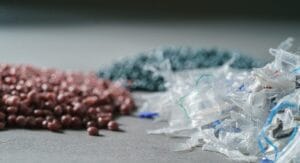
Compared to other coloured PET or PP and PS products, the recycling process for C-PET light is much simpler. C-PET light films can be easily recycled in existing plants. together with other post-consumer or post-industrial PET materials can be reprocessed.

In general, C-PET is temperature-resistant up to 220 °C. However, this is not necessary for many applications and limits the performance in thermoforming. In contrast C-PET light developed for a maximum temperature of 100 °C. It enables the production of transparent thermoformed products for hot-fill applications up to 100 °C at comparable production volumes to conventional A-PET processes. In particular the shorter cycle times for deep drawing represent an economic advantage over conventional C-PET.