In many respects, metal packaging such as food cans offer the best conditions for arousing consumer interest due to their basic material. This applies in particular to premium products whose packaging is intended to emphasise their first-class character.
9. July 2018
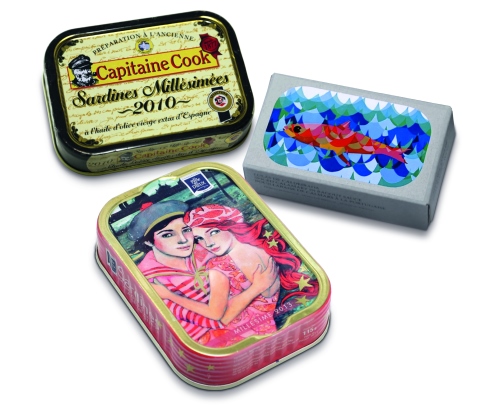
Many cans are small works of art and have long since become collector's items. (Image: Hans Scherhaufer)
In many respects, metal packaging such as food cans offer the best conditions for arousing consumer interest due to their basic material. This applies in particular to premium products whose packaging is intended to emphasise their first-class character.
Packaging must be eye-catching, it serves to recognise and differentiate at the same time. And: they can create desirability, which is decisive for the success of the products on the shelf. The food can is a High-performance packaging and a Marketing instrument. In addition to optimum protection from light, air and other external influences, it offers manufacturers of canned foods many opportunities to communicate the special quality of their products and the brand.
Suppliers of premium products in particular utilise the value of the metal and the wide range of possibilities with which can manufacturers can make their cans unmistakable using the latest design techniques. The Protective function with an elegant feel and unusual shapes or brilliant print image combined. And if things go really well, the packaging itself becomes an object of desire and has the potential to become a collector's item.
Cans and fish - a perfect duo at the highest level
Exquisite seafood is particularly popular in tins. One example: Vintage sardines. We are not talking about ordinary oil sardines as you know them from the supermarket. Vintage sardines are to sardines what the Grand Cru is to wine. They are only caught in selected sea areas, lovingly deboned by hand, cooked and then carefully placed in the tin to mature in peace, covered with high-quality olive oil. The hype surrounding tinned fish has only existed in this country since 1994, before which a tinned sardine was just a tinned sardine. There were bad ones and very good ones, but the differences in quality only interested the French, Spanish and Portuguese. These are traditionally the countries where a lot of value is placed on good tinned fish.
Noémi Causse (Photo: Hans Scherhaufer)
„We were one of the first retailers to introduce the vintage product in Germany,“ explains Noémie Causse from the Berlin delicatessen Maître Philippe & Filles.
Vintage sardines mature in a similar way to wine. That's why the type of packaging is crucial. „When the lid of the tin closes, it's the perfect place for this delicacy,“ says the expert. And as with wine, the older the better. The sardines develop their full flavour after five to eight years, some only after ten years. Provided that the tinned fish are turned every three months. This is the only way to distribute the first-class olive oil well - the guarantee of melt-in-the-mouth flavour.
„The can is a Particularly high-quality packaging for the fine fish, which are carefully placed in the tin one by one,“ explains Noémi Causse, from Maître Philippe & Filles, a Berlin delicatessen. She looks after the online business of the gourmet paradise and the vintage sardines.
The edition of vintage sardines is often strictly limited. This causes the prices for the small cans to climb to between six and 15 euros. Collectors even pay up to 100 euros for particularly rare specimens. It is not only the culinary content that arouses desire. The manufacturers of the delicacy also focus on sophistication in the packaging design: Many tins are small works of art and long since become Collector's items has become. Sardine lovers and aesthetes wait every year for the latest collection.
When it comes to vintage sardines, connoisseurs don't look at the price, but at the packaging. It has to be beautiful. (Image: Hans Scherhaufer)
More flavour in cans
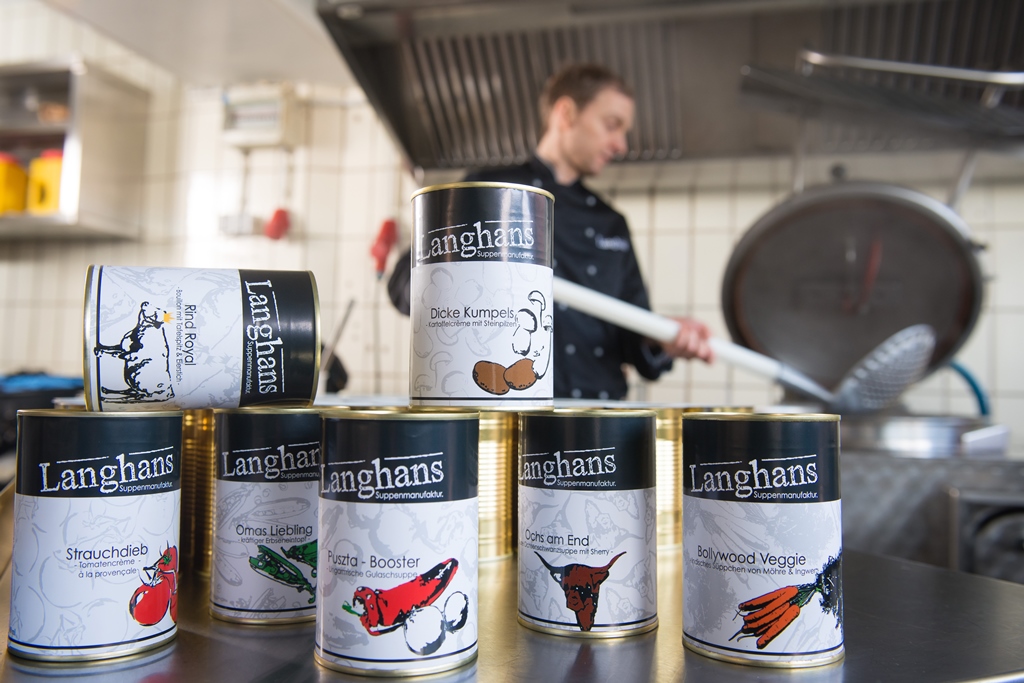
The tin as packaging for delicacies is both a tradition and a trend. This applies to soups as well as poultry pâtés: Top chefs like Heiko Langhans swear by tins for gourmet soups. At the Langhans soup factory, a lot of local vegetables are canned. Langhans thinks the tin itself is a great invention. It is one of the most sustainable packaging materialsl, has a recycling rate of well over ninety per cent and is also a leader in terms of Product protection simply unbeatable.
The soup cook knows: preservatives are not necessary. The combination of a protective metal casing and heat treatment is enough to preserve food gently. The unusual flavour compositions of his gourmet soups are optimally preserved in the tin: „Thanks to the tin, my soups still taste like they've just been freshly cooked, even after two years.“
The fresh can design was developed by a friend of Heiko Langhans. (Image: Andreas Dobslaff)
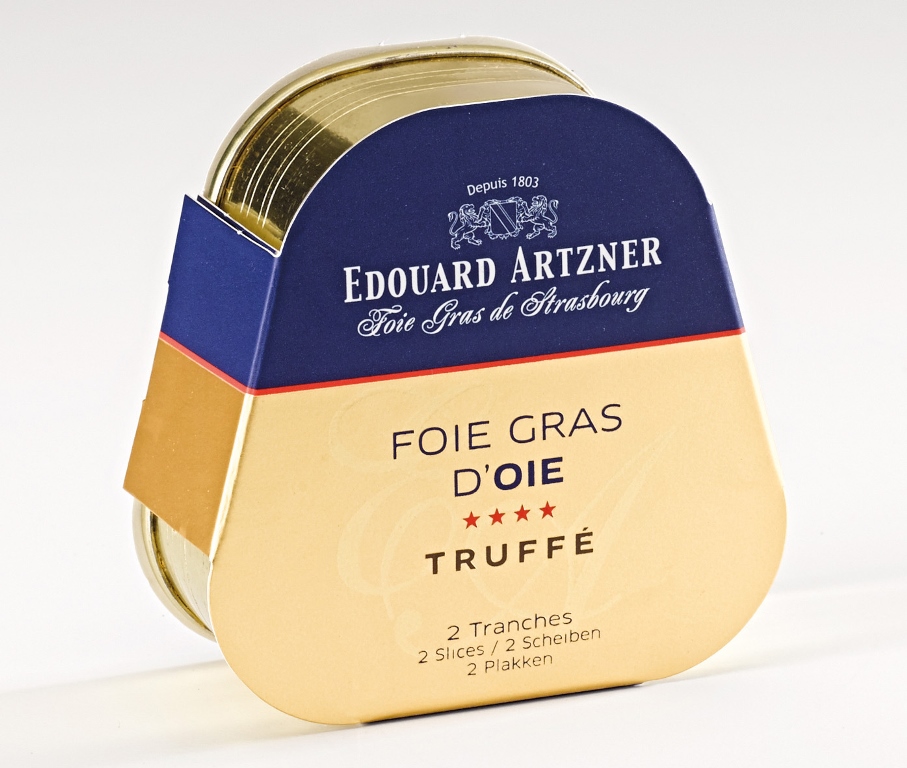
The most traditional address for foie gras from Alsace, Edouard Artzner, has also been packaging its delicacy in tins since 1870. The reason: as with the vintage sardines, the tin offers the perfect environment and a high level of preservation. Storage safety for a successful maturing process and a full-bodied flavour.
Premium products of the highest quality go down well with consumers. (Image: Maison Edouard)
The can allows food to be delivered safely all over the world, and delicacies from all over the world reach consumers in this country undamaged. Packaging with safety ensures culinary delights.
Culinary hot spots
Some gourmets go one step further and follow a trend that has made the tin a star in gourmet cuisine worldwide. New York, Lisbon, London or Tokyo: in the international gastronomy scene, it is the can that counts. „Canned Food“ one of the most exciting topics of recent years.
The concept: tinned delicacies are transformed into culinary highlights by the creative hands of dedicated canning enthusiasts. In New York, Maiden Lane offers the best tinned seafood in the city.
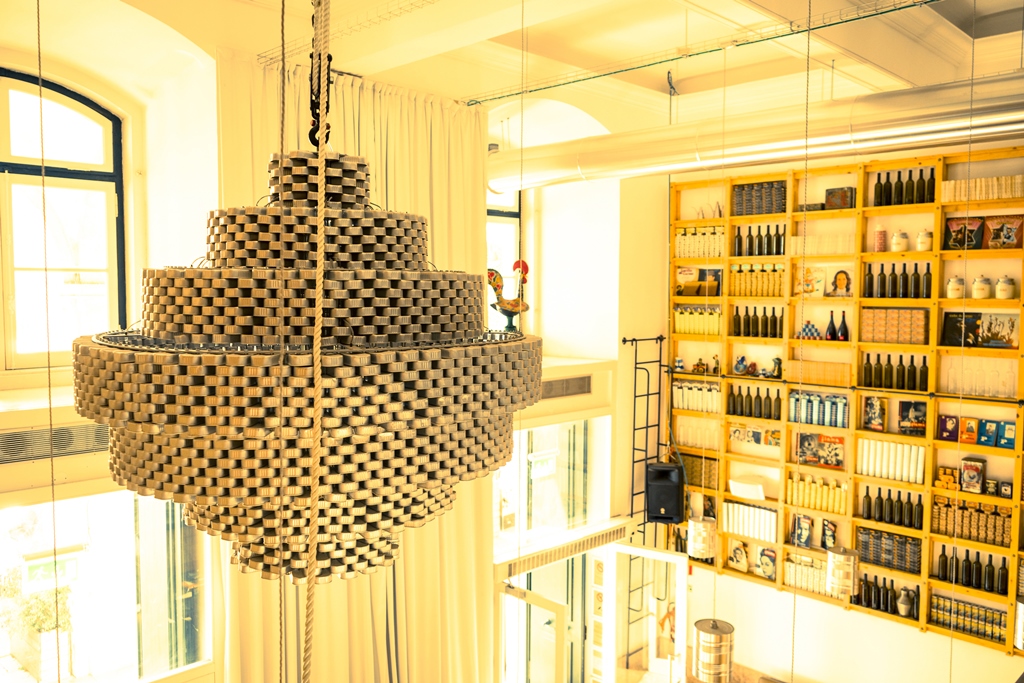
In Lisbon, Can-the-Can pays tribute to the classic packaging with ever new gourmet creations. (Image: Can-the-Can)