Blister caps made from recyclate from the Yellow Bag

In a pilot project, Henkel is now using 100 per cent post-consumer recyclate (PCR) from the Yellow Bag for the first time for the blister caps of a toilet cleaning product.

In a pilot project, Henkel is now using 100 per cent post-consumer recyclate (PCR) from the Yellow Bag for the first time for the blister caps of a toilet cleaning product.

Over 80 per cent of the PCR used consists of recycled PET trays, which are used for foodstuffs, for example, and have not been recycled as standard to date. Henkel wants to contribute to this with the project, further utilise the recycling potential of the dual system in Germany and initiate a new recycling stream.

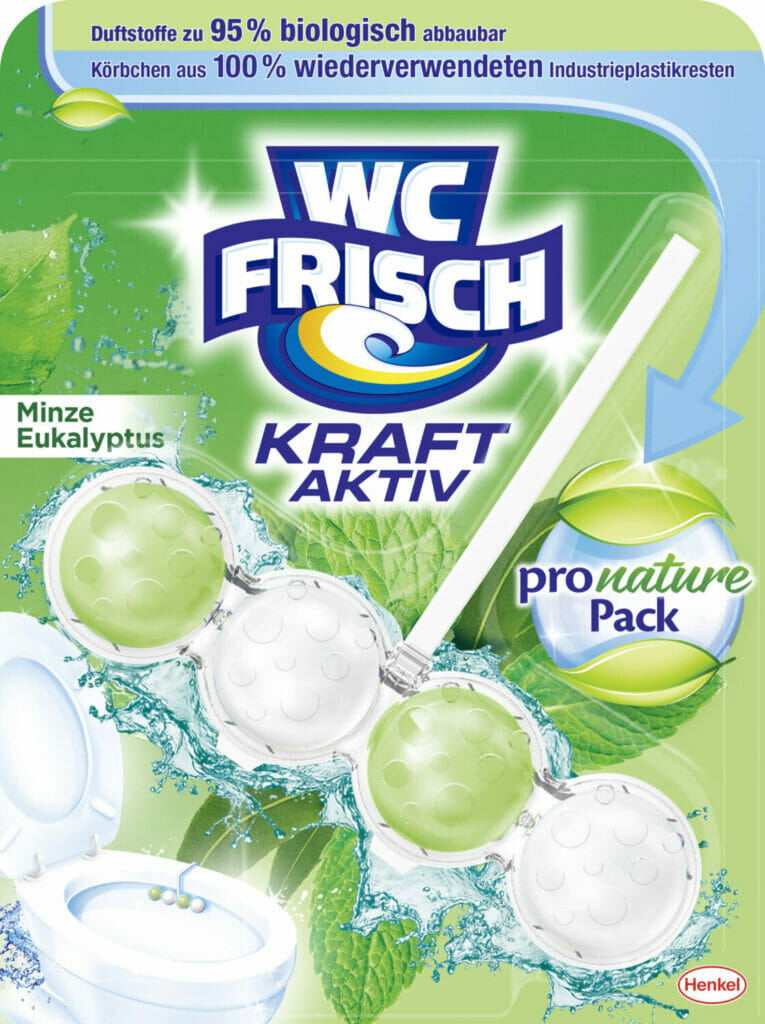
To produce the blister caps for the packaging of WC Frisch Kraft Aktiv Pro Nature Pack, Henkel uses Recyclate from PET bottle collection to date. These are particularly suitable for high-quality reprocessing due to their high purity and low sorting complexity.

To also to develop household collection into a closed cycle, it is important that the Yellow Bag is utilised even more as a source of raw materials. For this reason, Henkel has already converted the bottle bodies of Pril hand dishwashing detergent produced in Germany to 50 per cent recyclate from the Yellow Bag in 2022.
Display

Henkel WC cleaning product
(Image: Henkel)

Expansion of sorting and recycling technologies

„While the recycling streams for PET deposit bottles and PET bottles from the Yellow Bag are already very well established, there is still a great deal of potential in the reuse of PET trays from the Yellow Bag“, says Ulf Timmann, Head of Global Packaging Home Cleaning in the Laundry & Home Care business unit at Henkel. „This is because plastic trays are often multi-layered packaging that cannot be processed into high-quality recyclate due to their complexity. Plastic trays made of mono-material, on the other hand, can be recycled very easily, however, usually only end up in thermal utilisation, as they are not sorted separately. and corresponding recycling streams are not yet sufficiently available.“

As a result, valuable PET tray material is usually not returned to the recycling loop and reused. To change this, Henkel, together with Boldog Consulting and the film manufacturer PETman on a specially adapted recycling and manufacturing process. Through the pilot project, the partners hope to promote the expansion of sorting and recycling technologies for materials from the dual system.

„Thanks to the good sorting of the plastic trays from the Yellow Bag according to material and colour, we can now produce monolayer films of high and stable quality. These films are moulded into high-quality blister caps, which hardly differ in quality from the current blister caps made from recyclate from the deposit bottle system. In order to further expand process technologies of this kind, there needs to be greater demand from industry. Henkel is sending a clear signal here.“

Kenneth Boldog, Managing Director of Boldog Consulting

For the pilot project, Henkel and Boldog Consulting were able to recycle around 20 tonnes of PET material from the Yellow Bag. This corresponds to more than two million blister caps for the product WC Frisch Kraft Aktiv Pro Nature Pack.

Source: Handle

Henkel - More news