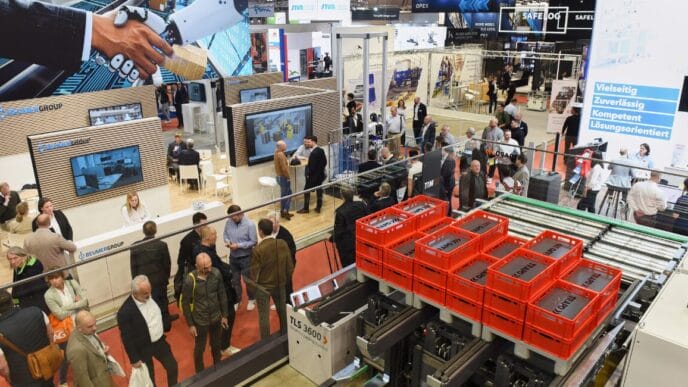
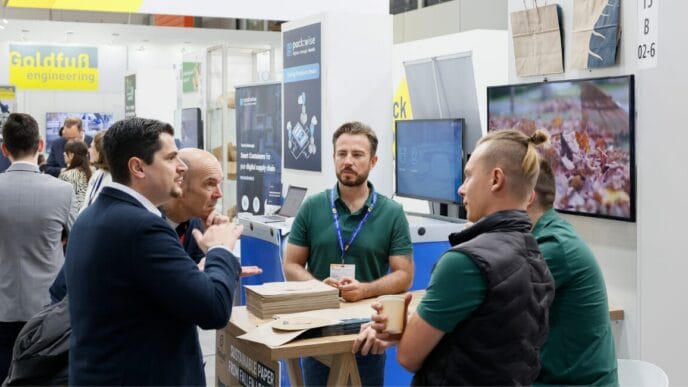
interpack 2017 has recorded the highest exhibitor demand in its 55-year history. Around 2,700 exhibitors are expected from 4 to 10 May 2017, with companies from over 60 countries exhibiting in 19 halls. The components trade fair, which is being organised in parallel and features products and services from the packaging technology supply industry, is also fully booked.
In terms of scope and internationality, interpack is a unique platform for companies with products and solutions from the fields of packaging technology and related processes as well as packaging materials for the food, beverages, confectionery and baked goods, pharmaceuticals, cosmetics, non-food consumer goods and industrial goods segments. Innovative special topics complement the exhibitors' offerings.
Protective function has priority
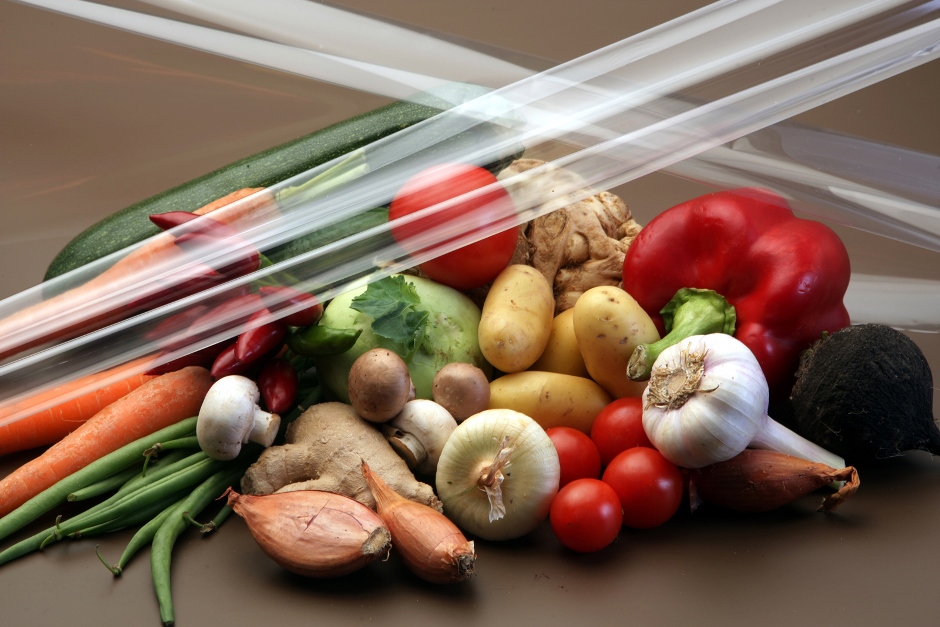
The main purpose of any packaging is and remains to protect the contents during transport and storage. protect. Packaging prevents soiling or damage and protects food from harmful environmental influences such as light, oxygen or moisture. It protects against spoilage by microorganisms and prevents flavour and vitamin loss. However, what packaging does in the food sector today goes far beyond its original function of protecting food.

According to the Food and Agriculture Organisation of the United Nations (FAO), up to 1.3 billion tonnes of food are lost worldwide for a variety of reasons. This overall problem was addressed over six years ago by the SAVE FOOD initiative by the FAO, the United Nations Environment Programme UNEP and Messe Düsseldorf in cooperation with leading global companies, organisations and research institutes. Their common goal is to create solutions to prevent food loss and waste along the entire value chain. For the third time in a row, the international SAVE FOOD Congress will provide this initiative with a suitable platform and bring together various players from business, science, politics and civil society in the fight against food waste.
Hygiene is a must
However, complete high-performance lines for sensitive meat and sausage products not only focus on performance, flexibility and product quality, but also on the interfaces in particular. Hygiene self-checks are essential, but it is even more important to eliminate potential hygiene traps from the outset. Starting with the basic Hygienic design from components that are easy to clean to the sterilisation of ambient air using short-wave UV radiation, state-of-the-art systems offer Highest hygiene standards. In recent years, skin packaging, a self-service packaging consisting of two components with a PP or CPET tray and sealed skin film, has become increasingly important. The shelf life of products can be significantly extended using vacuum skin packaging.
Packaging supported
The innovative strength of the packaging industry is enormous. Anyone who deals with the latest packaging technologies will come across Nanotechnology, Printed or organic electronics is not over. Intelligent and smart casings that can recognise and specifically influence the degree of freshness of food have long been far more than a utopian dream. Active packaging regulate the moisture level, prevent the formation of germs or even specifically kill them. Iron ensures longer freshness for oxygen-sensitive drinks such as beer or juices. Salt in the packaging inhibits condensation and keeps mushrooms, for example, looking good for longer.
Whether food is still edible can be determined with modern packaging using special Sensors make them visible. They react when certain substances or gases are released and indicate this by changing colour or fluorescence. This makes it possible to recognise the condition of the food at a glance. One of the most common causes of food spoilage is the interruption of the cold chain. Intelligent time-temperature indicators can be used to display this.
Sustainability as a basic discipline
Consumers primarily associate sustainability with the following topics Recycling and disposal. The expansion of deposit and recycling systems and, not least, clear guidelines have led to a sharp increase in the recycling of packaging in recent years. In Europe in particular, recycling is on the rise; by 2020, all EU countries are to recycle half of their waste.
In addition, the material used, the quantity used and the size of the packaging in relation to the contents also play a key role in the assessment of sustainable packaging. A clear trend in the industry: the use of renewable raw materials. These are used in place of conventional materials with the aim of improving the carbon footprint and are often communicated as particularly sustainable. However, studies show that even these conventional materials, such as classic plastics, can have advantages when considering the entire life cycle of a product. Ultimately, assessing the most sustainable solution requires a holistic view of each application, taking into account the various factors for all stages of the value chain.
Packaged 4.0
In addition to consumer expectations, the packaging industry is also facing increased demands from its customers. The industry is responding to demands for greater flexibility and efficiency with, among other things, an intelligent and networked factory in which classic mechanical engineering is efficiently linked with sensors, software and services.
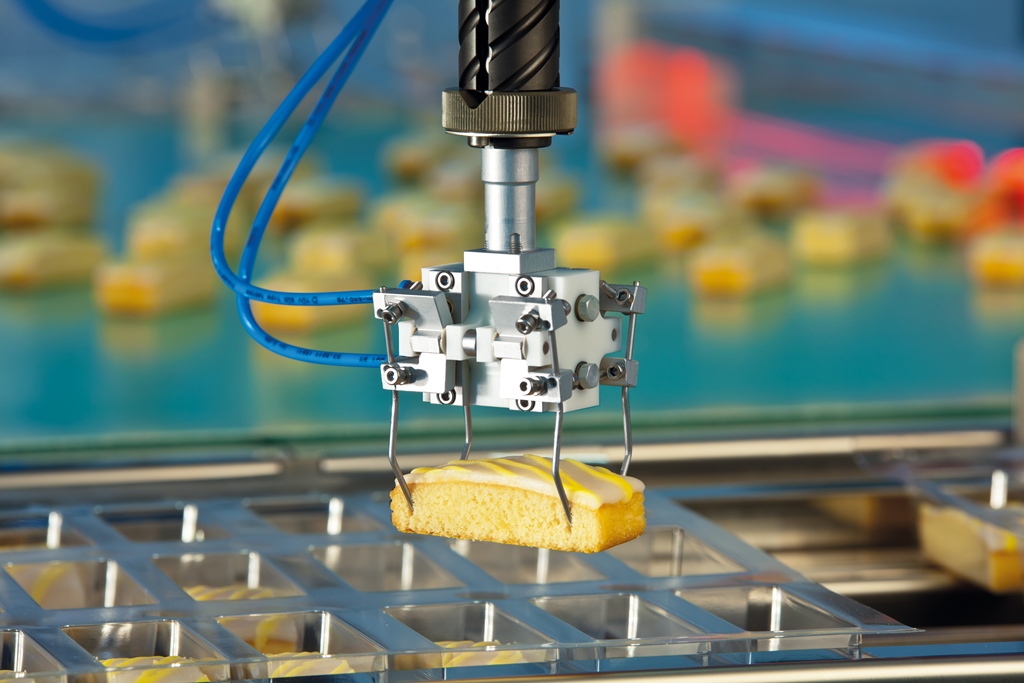
Industry 4.0 has long since become the standard in the food industry and is closely linked to the component industry, which can be seen as a pioneer of technological progress. In the special show „components - special trade fair by interpack“ In addition to state-of-the-art drive, control and sensor technology, products for industrial image processing, handling technology, industrial software and communication as well as complete automation systems for packaging machines will be presented.