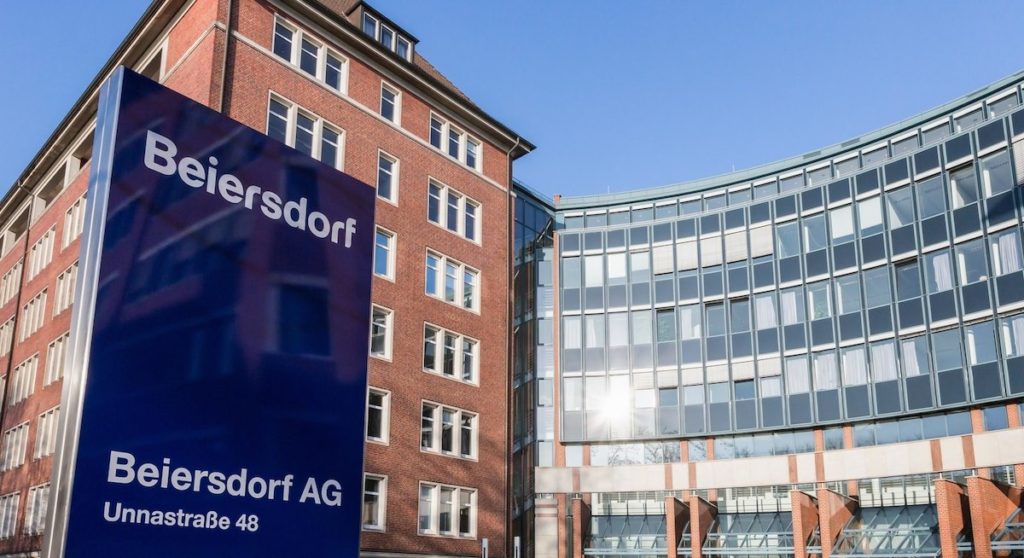
Beiersdorf AG has reached its own milestones towards more sustainable packaging to combat the flood of plastic. Among other things, it is presenting a bottle for its core brand Nivea today that uses 50% less plastic.
After intensive research and pack development work Beiersdorf has achieved what the company itself calls a „real breakthrough“. At 50%, the bottle and cap of the new NIVEA Naturally Good Body Lotion use less plastic than the standard NIVEA body lotion bottle. The new bottle is very thin and has a specially moulded base so that it can be easily squeezed and rolled up - similar to a toothpaste tube. This has the advantage that consumers can empty the lotion much more easily.
The bottle is fully recyclable after use and can be returned to the material cycle if recycling infrastructure is available. Last but not least, the transport of the product from the production site to the retailer has also been made more sustainable, as the thinner and lighter packaging leads to optimised pallet loading, which reduces CO2 emissions are reduced.

Almost all PET bottles made from used plastic by the end of the year
In order to minimise its ecological footprint, Beiersdorf pursues a four-dimensional approach: the so-called „4Rs“ (Reduce - Reuse - Recycle - Replace) provide the framework for designing more sustainable packaging: Reduce, reuse, recycle or even replace entirely. The elimination of plastic and the use of alternative materials for packaging is also being examined for the NIVEA and Eucerin brand ranges, as well as others. The company's vision is to establish a circular economy.
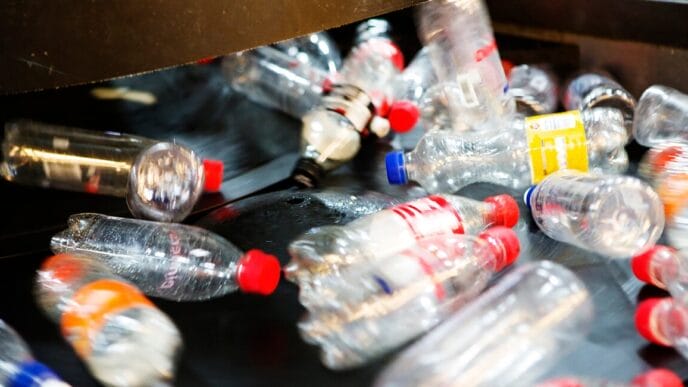
A central element here is the use of used plastic, which comes from the recycling of plastic packaging that has already been used and then disposed of as household waste in the recycling bin or the „yellow bag“. The use of such secondary raw materials for the manufacture of new product packaging conserves natural resources, avoids the use of petroleum-based virgin plastic and reduces CO2-emissions are reduced.
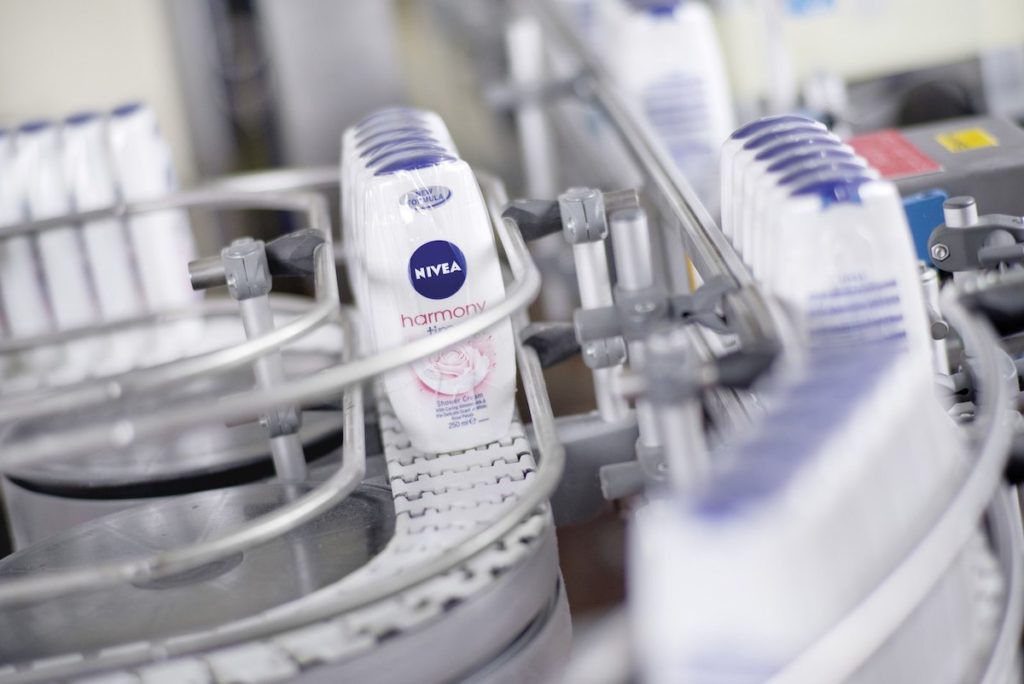
By the end of 2020, Beiersdorf will have converted 90% of its PET bottles in Europe to recycled material. This measure alone will save more than 1,200 tonnes of fossil-based virgin plastic per year.
Cooperation with other companies sought
„We firmly believe that the global plastic problem cannot be solved by individual companies alone. We can only bring about sustainable change by working together across industries and value chains. That is why we are taking measures that go beyond our company boundaries: We work together with suppliers and trading partners, with NGOs, scientific institutions and other stakeholders“
Jean-Francois Pascal, Vice President Corporate Sustainability at Beiersdorf
For example, Beiersdorf was one of 29 other companies to take part in the Business call for a UN agreement against plastic pollution (UN Plastic Treaty). This calls on governments to negotiate and agree a global guideline on plastics. The company has also signed a Dossier with the title „All about plastic“ available for download.
Source: Beiersdorf AG