Correct waste separation in private households is essential for high recycling rates and a functioning circular economy. To mark Waste Separation Day, the Industrievereinigung Kunststoffverpackung e.V. is explaining common mistakes made when separating waste.
To help protect the climate and conserve resources, waste should be separated correctly. In this way Keep valuable raw materials in the recycling loop and packaging waste into new products. But sometimes the waste ends up in the wrong bin by mistake. The IK explains what is allowed in the organic waste bin, the yellow sack and the yellow bin or rather in the residual waste bin.
Clear allocation of packaging
In the Packaging waste is disposed of in the yellow bag or yellow bin, that is not made of glass or paper, such as milk cartons, tins or crown caps. Yoghurt pots or drinks cartons should be emptied completely, but do not have to be rinsed out. Recycling plants have problems separating firmly connected or intermingled recyclable materials. Therefore, aluminium lids should also be removed from yoghurt pots and packaging should not be stacked.

Broken Toys, old plastic buckets or toothbrushes are not packaging and therefore do not belong in the yellow bag. However, these can sometimes be disposed of in yellow bins. Here the initiative Waste separation works about what applies in the various municipalities.
This applies to organic, glass and paper
Biodegradable waste such as fruit, vegetable and food waste, which can be collected in newspaper beforehand, belongs in the organic waste bin. Normal plastic bags do not belong in the organic waste as they cannot be broken down.
Jars or bottles of food or cosmetics go into the waste glass. Glass crockery or light bulbs melt differently during recycling and are therefore just as out of place in waste glass as metal lids on gherkin jars.
Uncoated paper such as newspapers is disposed of in waste paper. However, till receipts also end up there by mistake. These are made of paper with a special coating, similar to Wrapping film or baking paper - none of this has any place in waste paper. Pizza boxes or kitchen towels can be disposed of there as long as they are clean and unused. If they are used and dirty, they cannot be recycled and are wrong for waste paper.
The all-rounder among the tonnes
Anything that is neither packaging nor belongs in the organic waste bin, waste paper or waste glass goes in the residual waste, i.e. in the grey or black bin. This is also where Face mask and disposable gloves, nappies or metal covers for tea lights. Batteries must not be disposed of in the residual waste bin as they contain harmful substances and heavy metals. There are suitable collection points for them in shops or at recycling centres.
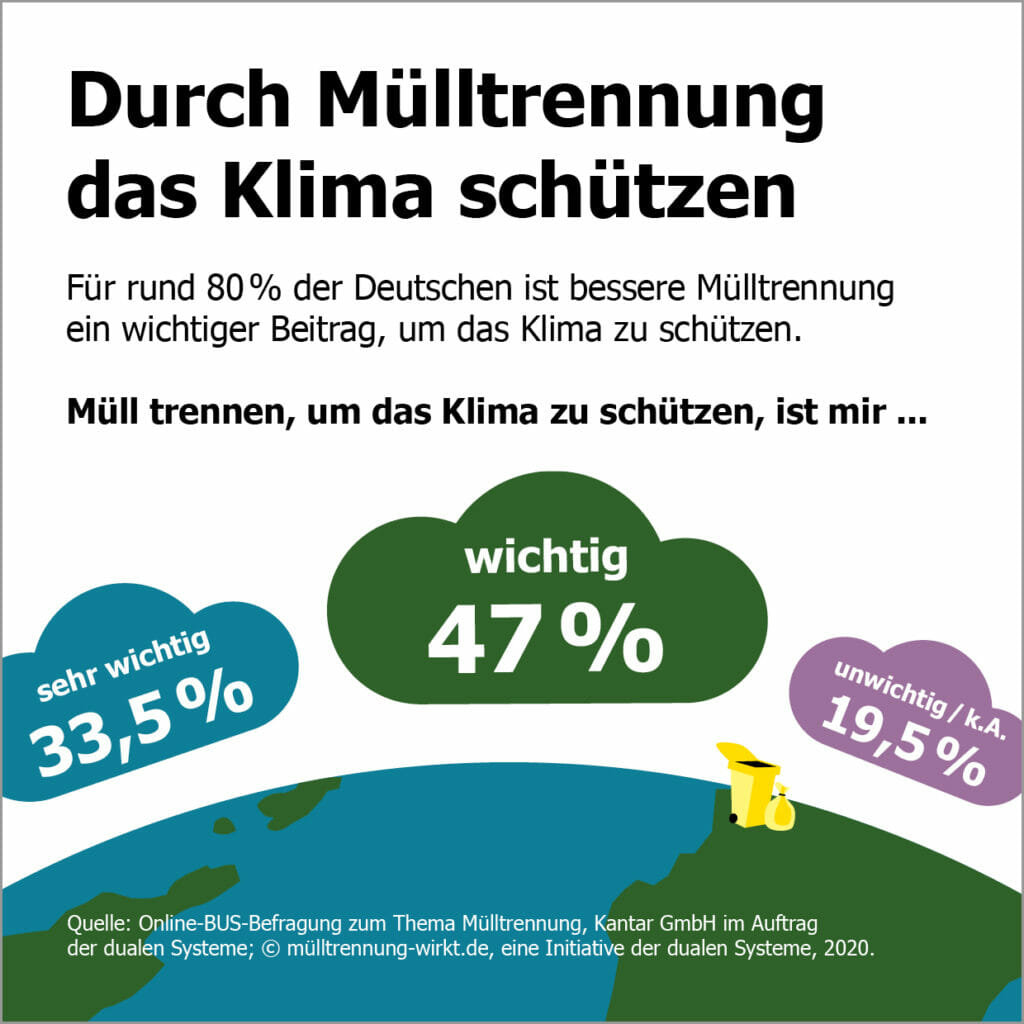
Waste separation saves resources and large quantities of climate-relevant greenhouse gases in. However, if waste is mixed together, the ultra-modern, specialised plants cannot recycle our waste.
Further news from the Industrievereinigung Kunststoffverpackung


What is the mood in the industry?

Packaging industry looks ahead to possible UN plastics agreement

Cautiously optimistic: slight recovery for plastic packaging

How deposit systems work in other EU countries