A recent Civey survey shows that more than half of people in Germany do not know the differences between recycling, downcycling and upcycling. Coca-Cola is now launching a campaign about packaging diversity and explains why the recycling cycle for non-returnable PET bottles and the reuse of returnable PET bottles are important.
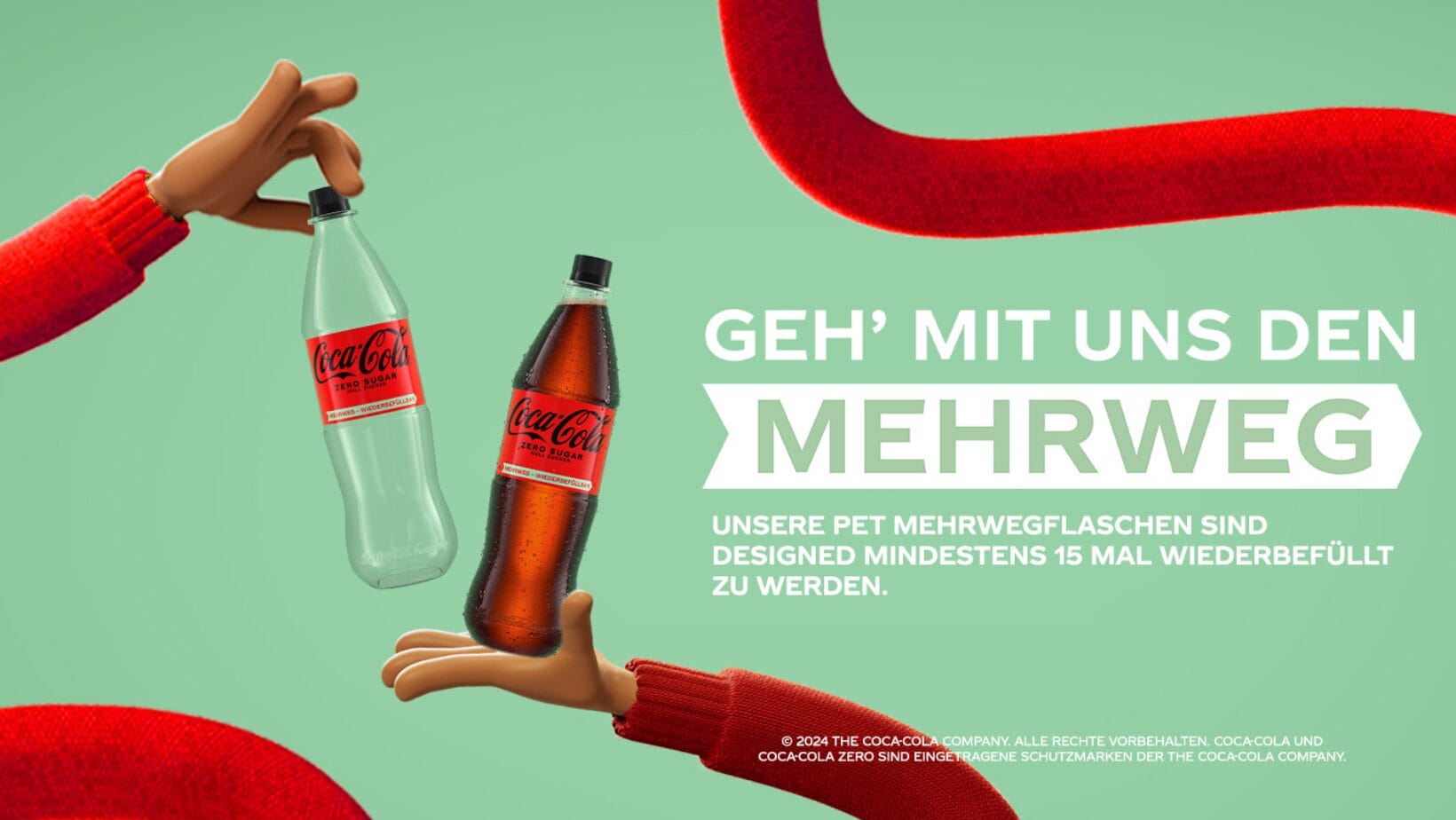
What is the difference between recycling, downcycling and upcycling? 51.1 per cent of respondents in Germany don't know, according to a Civey survey commissioned by Coca-Cola. Coca-Cola now wants to change this and is therefore launching a new 360-degree sustainability campaign this week. The campaign shows in a playful way and with prominent support why the recycling cycle of non-returnable PET bottles and the reuse of returnable PET bottles are so important. During the campaign, Germany's largest supplier of non-alcoholic soft drinks is raising awareness of the differences and benefits of reusable PET bottles. the importance of returnable PET and 100 per cent rPET disposable bottles and shows that there is the right packaging for every drinking occasion.
Packaging mix for diversity and a sustainable resource cycle
For Coca-Cola, packaging is one of the biggest levers for reducing its carbon footprint. All Coca-Cola packaging made of PET, glass and aluminium is already 99.1 percent recyclable. For example PET returnable bottles are refilled an average of 15 times. They are also bottled regionally - at nine out of 14 Coca-Cola locations. This ensures short transport routes. Even disposable PET bottles can have a new life if they are kept in the cycle. A bottle made from recycled PET has a CO2 footprint that is up to 50 per cent lower than a bottle made from new material. Both variants therefore contribute to a sparing use of resources.

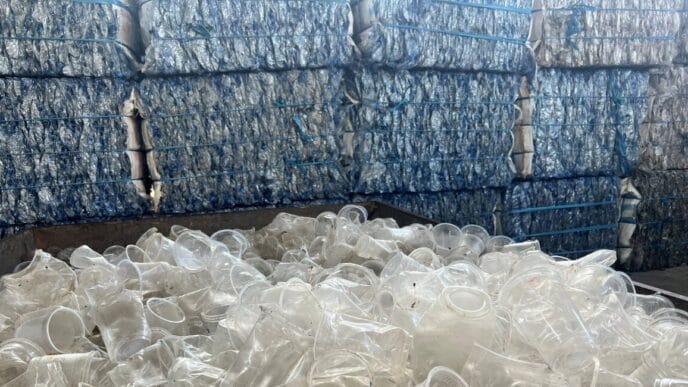
This is why Coca-Cola is committed to turning disposable PET bottles back into bottles. Because: With a functioning bottle-to-bottle cycle 214,000 tonnes of new plastic and 60,000 tonnes of CO2 ( ifeu study 2023) can be saved. Unfortunately, most of the recycled PET bottle material is currently processed into other things, such as clothing or packaging for cosmetics or cleaning products. After this downcycling process, it cannot be reprocessed into a drinks bottle. It is therefore lost to the bottle-to-bottle cycle. In order to be able to turn bottles back into bottles, Coca-Cola in Germany is calling for a Right of first access to recycled material for beverage producers.
Source: Coca-Cola Germany