Proof of authenticity and product traceability may lead to misguided developments. Dr Marietta Ulrich-Horn from Securikett explains.
How transparent does scanning commodity codes make you when buying goods? How secure is all this nonsense? You scan a product and then come back to a landing page? Consumers find it difficult to distinguish genuine digitalisations from false digitalisations at first glance. But what can be done about it? Dr Marietta Ulrich-Horn provides information about these developments.
In the world of packaging, the Internet of Things (IoT) means that every product is serialised with a unique code that gives it a unique identity: a unique QR code instead of a unique chip, so to speak. This is a mega-trend for proof of authenticity and product traceability, but it can easily lead to misguided developments. Counterfeiting systems, and duplicate codes. Which means that data protection should be thought through strategically. For many years, Dr Marietta Ulrich-Horn, Managing Director of Securikett Ulrich & Horn GmbH in Austria, has been dealing with interoperable systems in connection with IoT and provides our trade magazine with insights into different approaches to solutions.
Dr Marietta Ulrich-Horn
Managing Director and Owner Securikett Ulrich & Horn GmbH
(Image: Securikett)
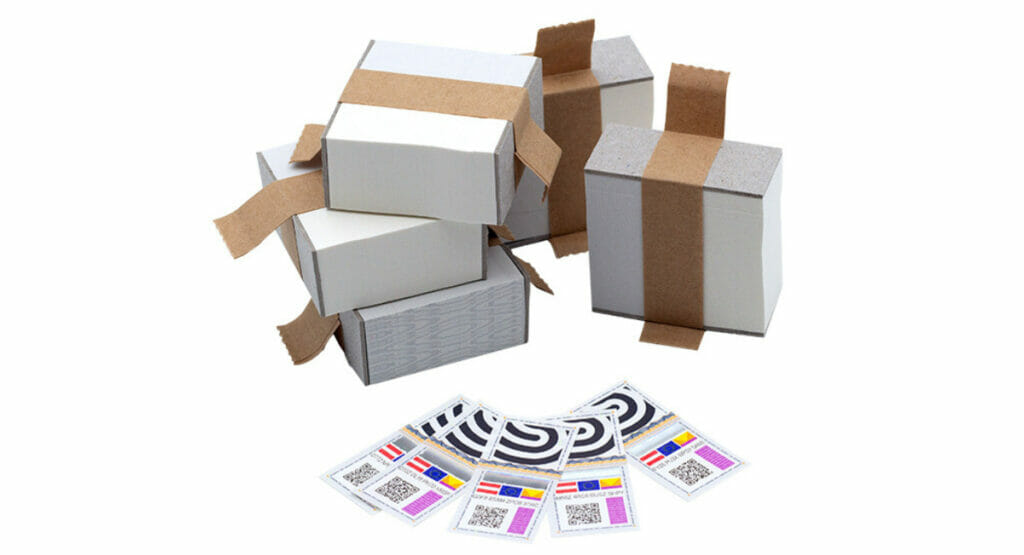
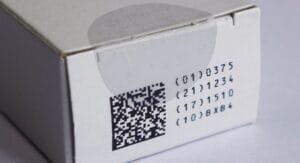
Each individual tax stamp contains its own QR code. Paper-based tax stamps are used in Europe to seal cigarette packs.
(Image: Securikett)
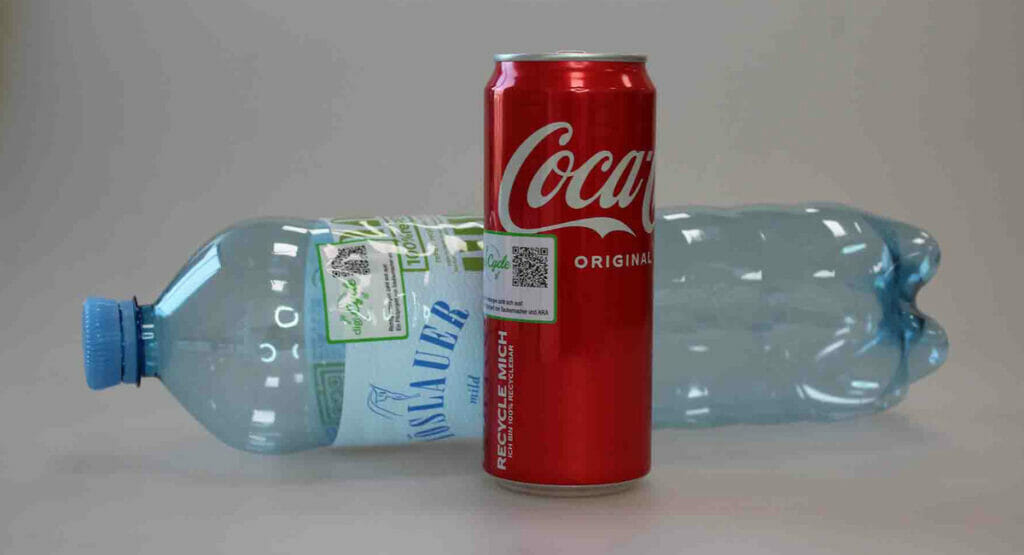
Digital contribution to the "digi-Cycle" recycling project: return deposit directly via app - three "partners" share "access rights".
(Image Securikett)
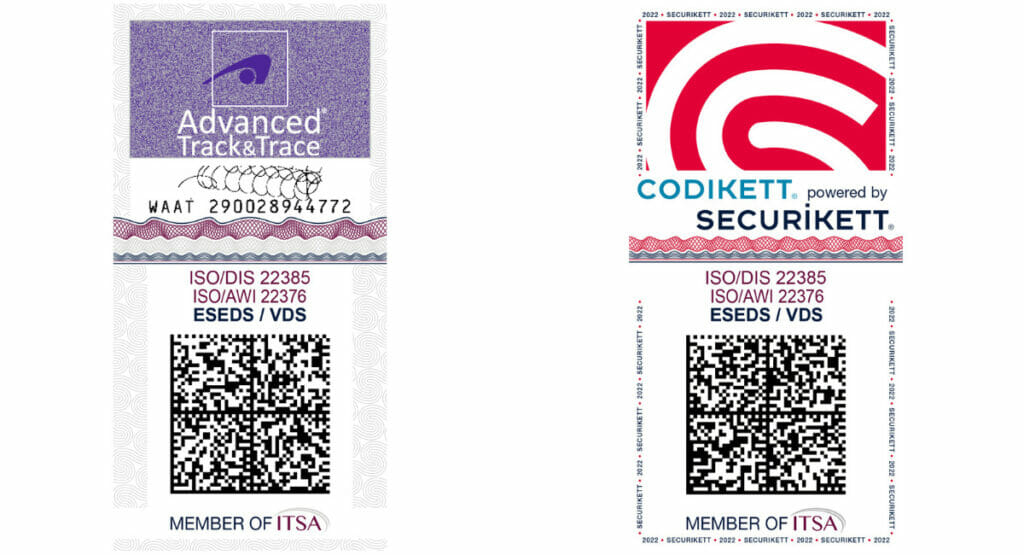
Electronic verification by third-party providers: It is important to combine digital identification with physical authentication. Both tax stamps refer to the app Otentik for code verification.
(Image: Advanced Track & Trace)
Packaging for decorative cosmetics is very special. The Forum Rezyklat calls for the recyclability of packaging to be taken into account when designing it.