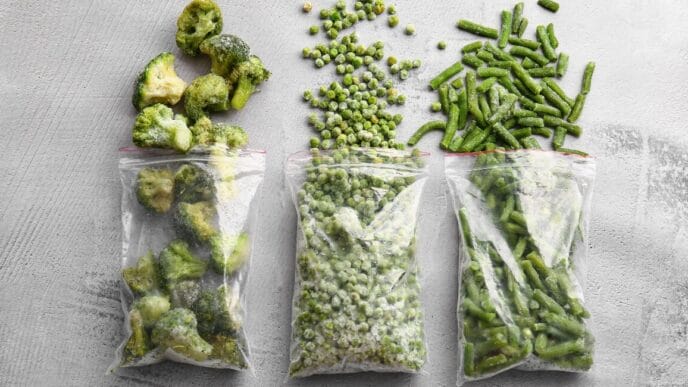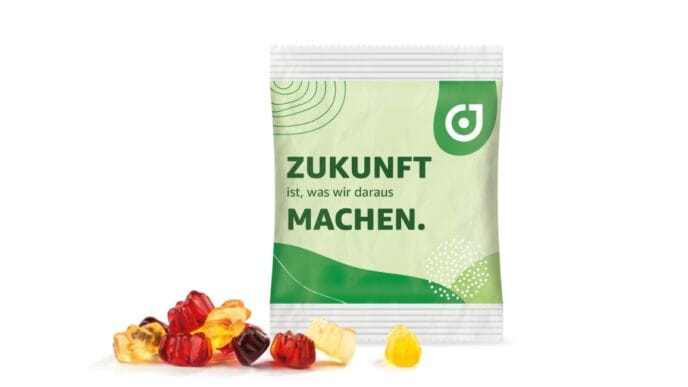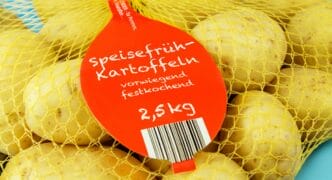
When shopping, packaging is not only used to protect products or for safe transport home and long-term storage. Consumers also use packaging as a source of information when it comes to sustainability and environmental aspects. A survey conducted by the German Agricultural Society (DLG) examined information behaviour through packaging.
How well do consumers know about packaging materials, disposal and recycling? Which Claims on packaging have an influence on purchasing behaviour and how well known are labels and seals for environmental claims on packaging? These were the questions addressed in the second part of the three-part survey on Sustainable Packaging Trends 2024 conducted by the DLG.
Answers were provided by 1,000 consumers in a representative survey from March to April 2023. And some of these answers were sobering, as expertise on the subject of packaging and labelling is limited. On the other hand, however, it also shows that it can be a decisive advantage for companies if packaging fulfils its purpose. environmental benefits communicated to consumers in a simple and understandable way.

Knowledge transfer via packaging
Because the Packaging itself turned out in the survey to be Main source of information on sustainability and environmental aspects represent. Around 67 per cent of respondents use the packaging as a source of information, whereas only ten per cent contact manufacturers personally. When it comes to consumers' self-assessment of their knowledge of the environmental properties of packaging, only 38 per cent state that they are well informed. 58 per cent feel well informed about the correct disposal of packaging. About the topic Recycling, on the other hand, only 46 per cent say they are well informed. to be.
So how can the knowledge gaps be closed? As the packaging itself is the most common source of information, it should only contain information about sustainability, disposal and recycling in a simple and understandable way. Simone Schiller confirms once again: „Our study has once again shown that Packaging the ideal way to inform consumers are. The task now is to make sensible use of the available space.“ Accordingly, 65 per cent of respondents would like to see more information on products - 76 per cent also call for a standardised labelling system.
Clear statements on packaging
The respondents consider information on recyclability (75 per cent), the proportion of renewable raw materials and recyclate (63 per cent) and the water footprint (43 per cent) to be important information. In the next step, the survey also provided insights into which information and claims on the packaging consumers find easy to understand. Specific information such as „50 per cent less CO2“ and the Quantification of environmental aspects were perceived as helpful by the respondents. Claims such as „reusable“ (64 per cent) and „recyclable“ (54 per cent) were perceived as understandable and relevant to purchasing. Claims such as „100 per cent recyclable“ and „100 per cent recycled material“ also scored well. Comprehensibility appears to be important for the claim to have a positive effect on purchasing behaviour. Properties such as „climate-friendly“ or „climate-neutral“ were only categorised as understandable by just under one in five people surveyed.
Overall, however, the survey also showed that the claims and the associated perception of the packaging did not significantly lead to an increased purchasing tendency.
„Reality shows that the claims differ greatly in terms of their comprehensibility and relevance to consumers. Their selection plays a key role in determining the extent to which the environmental benefits of packaging can be visualised and translated into increased acceptance of the product.“
Simone Schiller, Managing Director, DLG Specialist Centre for Food
Lost in the label jungle?
In March 2023, the European Commission also scrutinised claims and environmental statements on products. A proposal was drawn up on Guidelines against misleading statements, with which the Commission wants to take action against greenwashing. Consumers should be better informed and there should be more certainty about the validity of claims. The EU Commission's proposal includes, for example Minimum standards before.
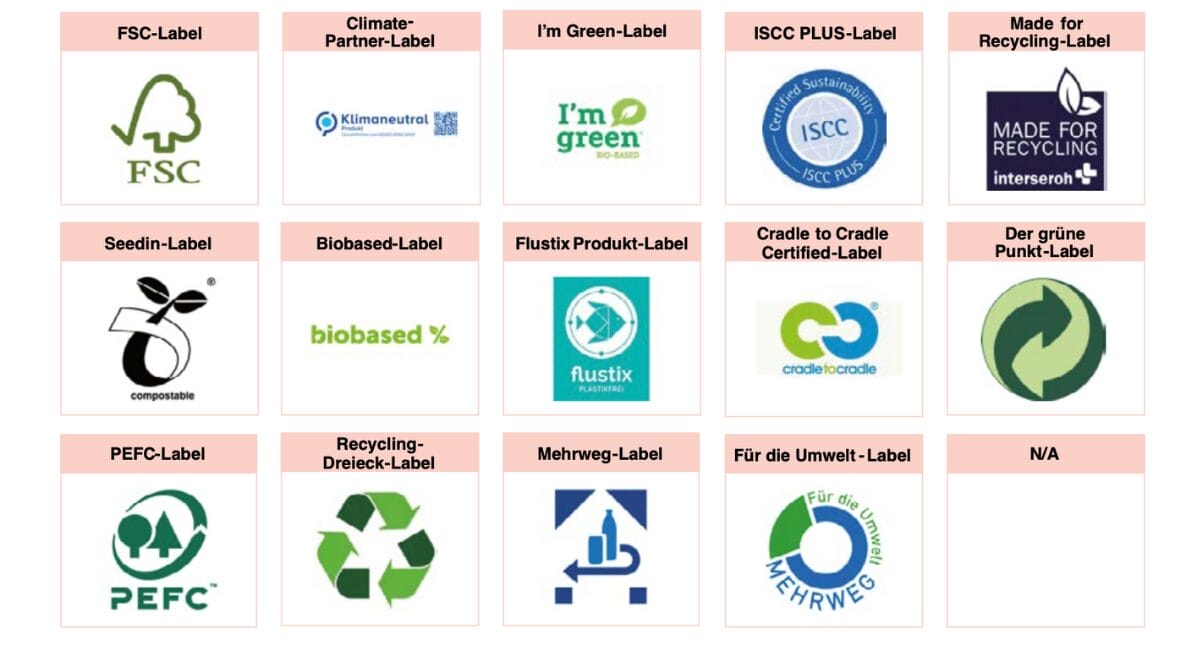
The DLG survey also asked about awareness of existing seals and labels. This revealed that around one in 20 (five per cent) did not know any of the labels presented. A total of 14 labels were shown to the respondents. The The Green Dot and the reusable label were the best-known with 76 per cent., followed by the recycling triangle with 74 per cent. The FSC label was still known to 58 per cent of respondents. It is certainly also important in this context that the survey „only“ asked whether the respondents had seen the label before, but not whether they knew what it meant.
What can be deduced from the results? Packaging and, in particular, packaging design with labelling and statements about the product and the packaging itself harbour some potential. Packaging itself is the most frequently used source of information when it comes to environmental characteristics. Manufacturers and brands therefore have the opportunity here to position their messages and also provide information about the packaging materials and correct disposal. With the upcoming EU Packaging Ordinance The proportion of recyclates in packaging is set to increase bit by bit - recycling and, before that, correct disposal in private households will therefore become more important than ever to ensure that recyclates are available.