Food packaging between product protection and the circular economy
In the food sector, the right packaging determines shelf life, product safety and transportability - and helps to reduce food losses.
Read more "




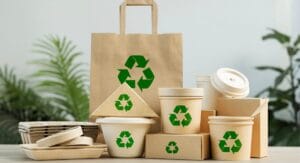
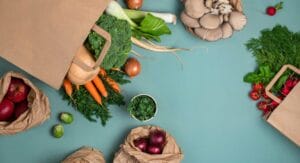
In addition to a The resource factor is just as important in plant-based nutrition. In addition to sustainable procurement and regional cultivation of product ingredients, this also applies to packaging materials. Unlike plastic, cardboard, paper or other plant-based materials such as grass and straw are renewable raw materials that are either recyclable or biodegradable and remain in the cycle.

One aspect of the materials debate that has been underestimated to date is the Capabilities of the CO2-Conversion and storage of plant sources. According to various surveys, around three quarters of all Germans consider the sustainability of products when shopping. 73 per cent of respondents in Germany also state that they value sustainable packaging. One For consumers, packaging is particularly sustainable if it is biodegradable and made from recycled or recyclable materials. 70 per cent cite paper/cardboard as the most sustainable packaging material. In fact, 83 per cent would pay more for sustainable packaging. New data has shown that 57 per cent of consumers are „less likely“ to buy products in environmentally harmful packaging would.
Source: iglo