
Singapore introduces deposit system for drinks containers
A network of more than 1,000 take-back centres is to be established by the time the system is launched.
The trade magazine for the packaging industry
In a pilot project organised by the IK Industrievereinigung Kunststoffverpackungen e.V. and EPS manufacturers, the possibility of sorting polystyrene from the Yellow Bag was examined to see how ecologically and economically sensible it is. At Storopack, new packaging materials are created from the collected waste.
In the joint pilot project between EPS manufacturers and sorting plant operators, EPS has been successfully separated from the yellow bag using infrared technology and collected by type. The EPS collected in the Yellow Bag is sorted out and delivered to Storopack, among others, where it is processed into recycled EPS (recycled expanded polystyrene; rEPS for short). This closes Storopack the packaging cycle, even for post-consumer waste.
The pilot project is currently being further modified and optimised. The results will then be made available to other interested dual systems and plant operators for lightweight packaging. German EPS packaging manufacturers are confident that they will be able to offer their customers packaging made from rEPS in the future that also contains recycled material from the Yellow Bag.
Due to its material properties, EPS is often used as protective packaging for household appliances or electronic goods. While larger moulded parts, such as for furniture or fridges, are often taken back on delivery and disposed of via the retailer, smaller EPS protective packaging remains with the consumer. The latter often puts them in the Yellow Bag, from which they are not fed back into a sorting stream despite their high recyclability. Sorting plant operators classify the quantities as uneconomical. This is precisely where the project comes in. The smaller EPS packaging is 100 per cent recycled in the cycle. According to the company, processing into rEPS saves half the water and around 21 per cent of CO2-emissions.
Source: Storopack

A network of more than 1,000 take-back centres is to be established by the time the system is launched.
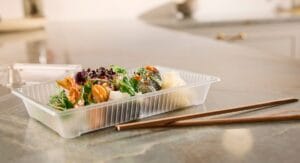
The Danish company reports progress in the expansion of its integrated recycling activities.
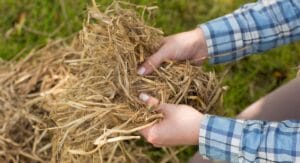
„Resi - Reststoffe innovativ“ is the name of a new research project at the IfBB at Hanover University of Applied Sciences and Arts, in which the utilisation of agricultural residues and waste materials for the plastics industry is being researched.
The Saica Group has taken over the paper and corrugated board recovery business of FCC Ámbito, a subsidiary of FCC Enviro.
The aim is to create a new market for fully circularly recycled food packaging made from rHDPE and rPP.

The Alliance Packaging and Environment (AVU) warns of what it sees as a threat of misdirection in the draft bill for the Packaging Law Implementation Act (VerpackDG).