In Europe, Sebastian Kneipp was known as the „water doctor“. Today, you can experience moments of well-being in your own bathtub with Kneipp's natural bath salts. However, packaging bath crystals can be a challenge. The sachets from Kneipp require perfect sealing so that no crystals fall out and the flavourings are not lost.
In the work of Kneipp A variety of products are manufactured in Ochsenfurt near Würzberg. These include bath and body care products as well as dietary supplements. The main ingredient of Kneipp bath salts is salt crystals, although the famous Luisenhall deep salt is also used. Primordial salt from the Luisenhall salt works is extracted from the brine of a 250-million-year-old primeval sea at a depth of 460 metres.
While the crystals of evaporated salt have a rough but fairly closed surface, deep salt has a kind of crater landscape. With the help of these tiny cave systems, the salt crystals can literally absorb essential oils. The bath salt dissolves in the bathtub and releases the active ingredients it contains into the water. Unlike many other salts, the primordial salt in the depths of the Luisenhall earth Protected from environmental pollution - and thus free of harmful residues from particulate matter and exhaust gases.

Sachets protected during worldwide transport
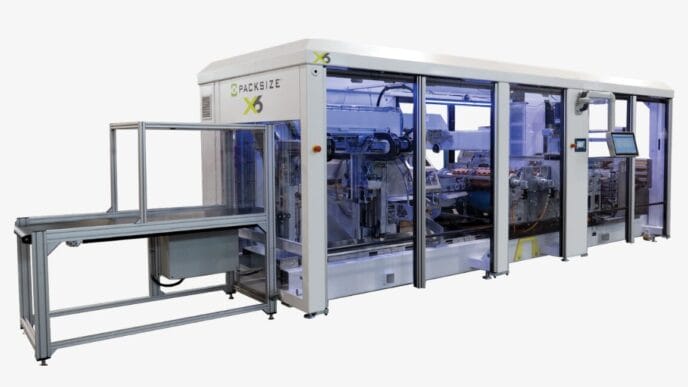
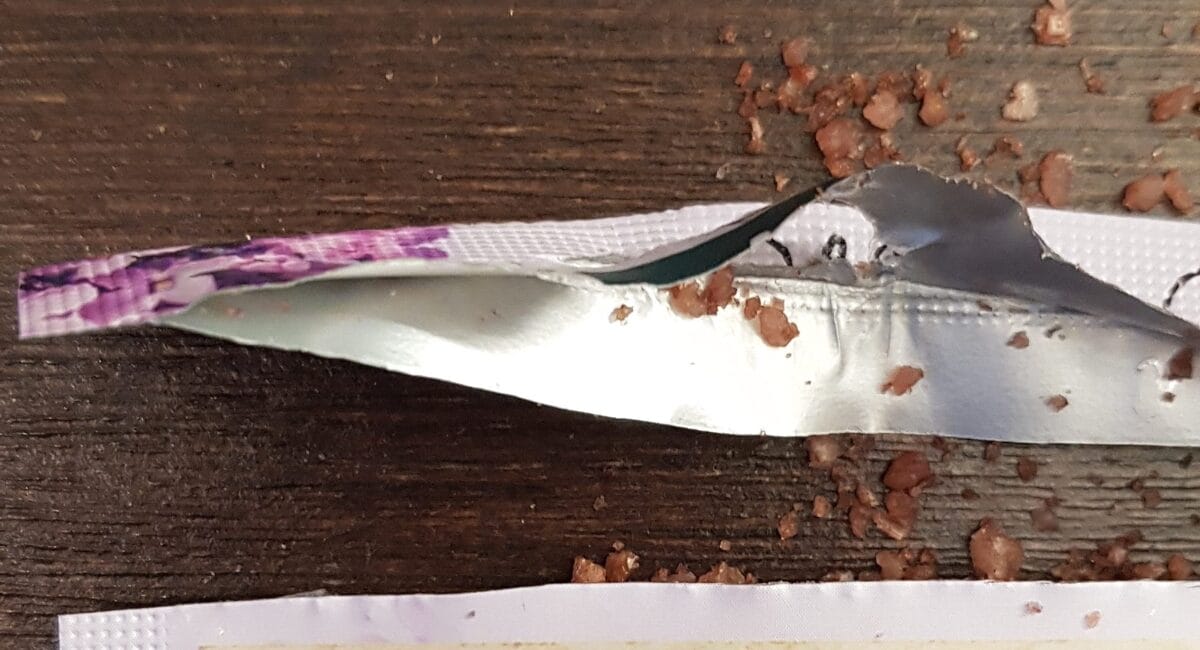
The valuable salt crystals are packed in sachets on various packaging lines, including horizontal filling and sealing machines (HFFS) and rotary pouch packaging machines. Inline seal seam inspections of the sachets are used to ensure the quality of the end product. As salt is a brittle product, it can damage the Contaminate seal seam, when it is crushed between the sealing bars during the filling and sealing phase. With the high production volumes of up to 60,000 packs per day, it is almost impossible to check every single bag by hand. For this reason, Kneipp was looking for a solution for automatic inline inspection of sealed seams.
Reduction of manual quality control
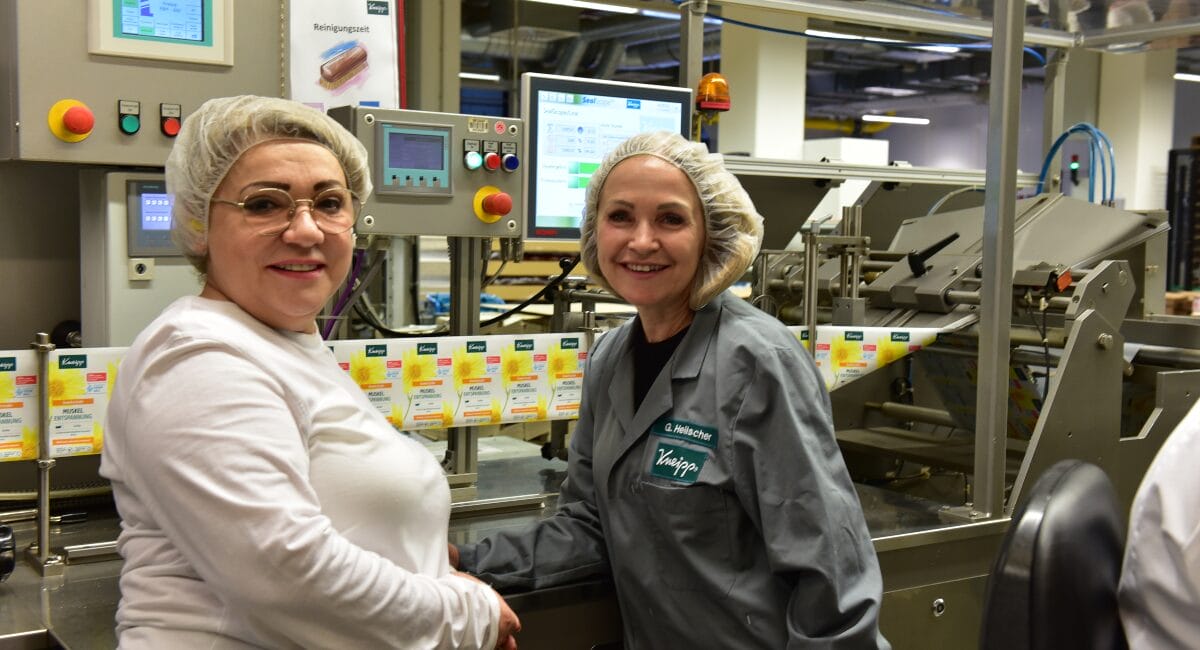
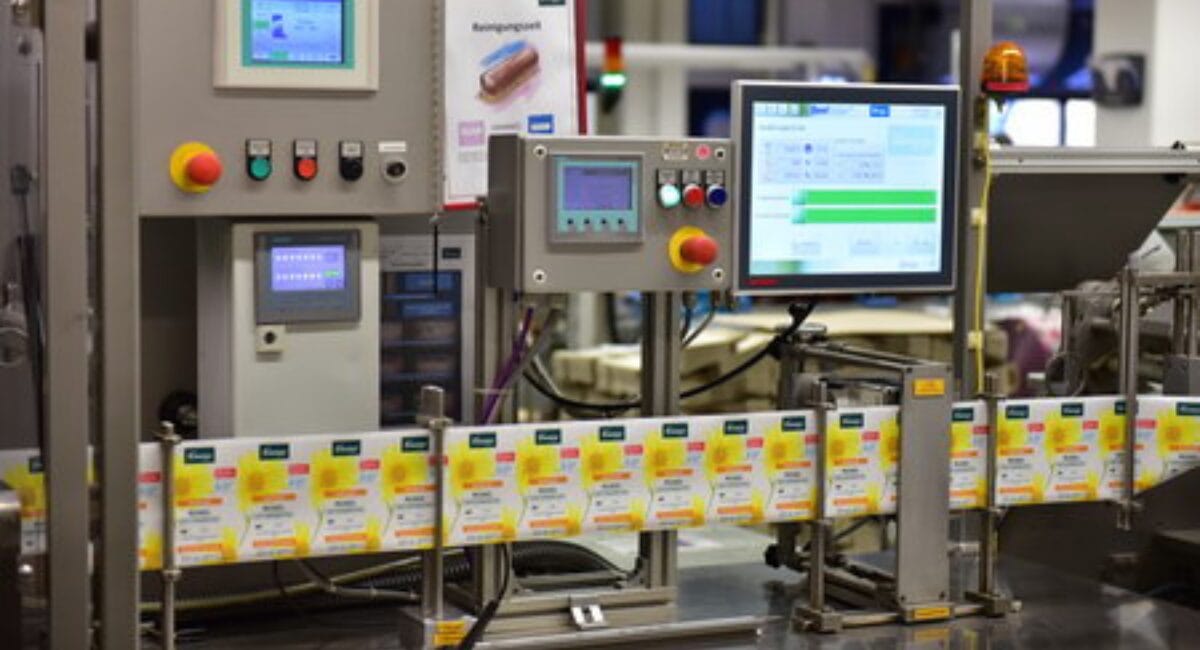
SealScope from Engilico offers automated inline inspection. The system uses sensors on the sealing bars to recognise whether Undesirable product inclusions or creases in the seal seam that could lead to open packaging. Each pack produced is immediately compared with the reference profile of a correct seal. If a faulty seal is detected, the faulty packaging is automatically removed from the conveyor belt by an ejector. The rejected products are reworked so that there is no production waste and the best quality is still guaranteed.
Firstly, the HFFS packaging line was equipped with SealScope to check for faulty seals. A product inclusion in the seal seam is also unacceptable for visual reasons. SealScope also recognises Folds or creases in the sealed seam area, which can also lead to leaking packaging.
„Before we used SealScope, we had to manually remove defective sachet packaging from our production, which was an inefficient process. By using our automated seal inspection, we were able to eliminate almost all defective packaging from production.“
Klaus Müller, Technical Manager at Kneipp
With the large number of product variations and pouch packaging, SealScope is also suitable for storing all production data per product type. A product changeover requires about half an hour to change the film and clean the product fillers. SealScope records all data for each new production batch so that any errors can be traced back to the exact product data.
Lean production thanks to monitoring function
Another function of SealScope is the monitoring of the packaging process. As every pack is measured, trends and defects in the production process can also be identified. This means that if the reject rate increases, e.g. after ten defective sachets, the packaging process can be stopped automatically and a new packaging solution developed. proactive maintenance can be planned. Or the machine can be adjusted in good time, which can prevent the production of faulty packaging and production delays. With the increasing automation of production and packaging processes at Kneipp, inline seal inspection will also play an important role in further packaging line upgrades.
„We are very satisfied with the solution for automated seal inspection. The implementation of SealScope leads to significantly less effort in final quality control, better process management and cost savings in manual work.“
Klaus Müller