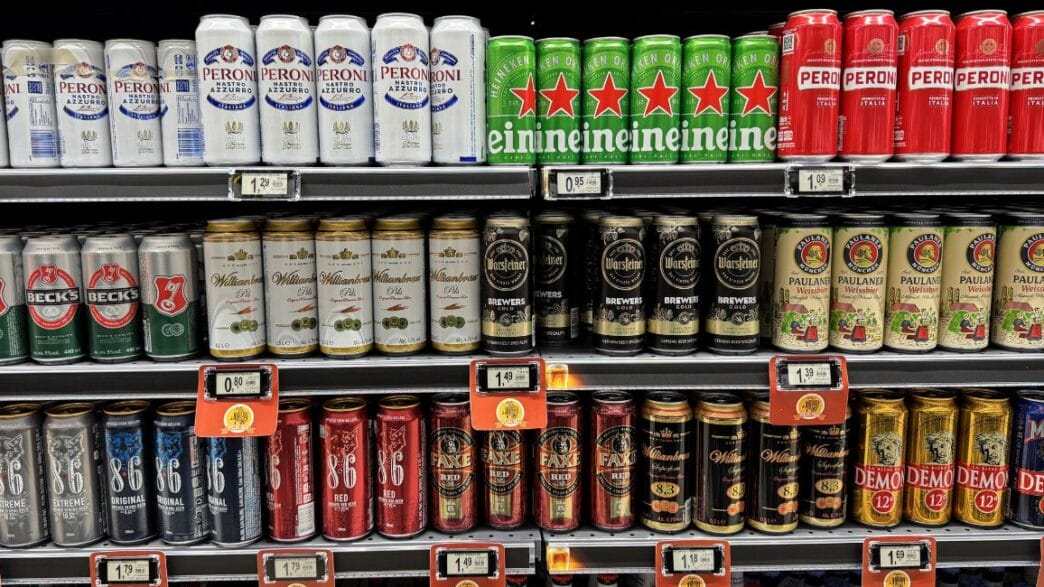
The Italian Aluminium Packaging Consortium CIAL has published its recycling figures for 2025. According to these, the recycling rate for aluminium packaging was 69.5 per cent, once again significantly exceeding current and future EU targets. The rate for beverage cans was particularly high, reaching a recycling rate of 92.8 per cent according to CIAL.
In 2025, around 93,500 tonnes of aluminium packaging were placed on the market.
Drinks cans reach the level of other deposit systems
CIAL particularly highlights the development in aluminium beverage cans. The recycling rate here was 92.8 per cent in 2025, which is 5.5 percentage points higher than the previous year. According to the consortium, this corresponds to the level of other European deposit and return systems. The European average for corresponding systems is currently around 92 per cent.

CIAL points out that the Italian collection and recycling system achieves comparable results without a widespread deposit system. This is based on a nationwide established separate collection and sorting of packaging waste. According to the consortium, a total of 5,640 Italian municipalities cooperate with CIAL in the collection of aluminium packaging. This means 79 percent of the Italian population is covered.
The PPWR brings new requirements for packaging
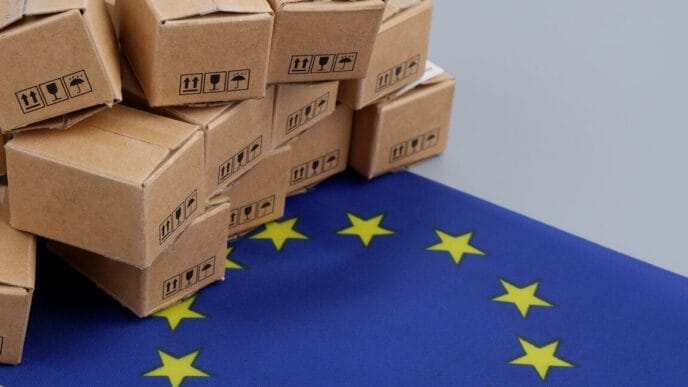
With a view to the European Packaging and Packaging Waste Regulation (PPWR), CIAL, according to its own statements, is already preparing for new regulatory requirements. Regulation (EU) 2025/40 was published on 22 January 2025 and will apply from 12 August 2026. Among other things, new requirements for packaging design, recyclability and harmonised environmental labelling are envisaged. The latter are to be mandatory on all packaging from August 2028.
According to CIAL, the consortium is already participating in national and international working groups to prepare for the implementation of the new requirements. For packaging manufacturers and recyclers, the future provisions on the labelling and recyclability of packaging will be of particular relevance.
Recycling saves energy and CO2
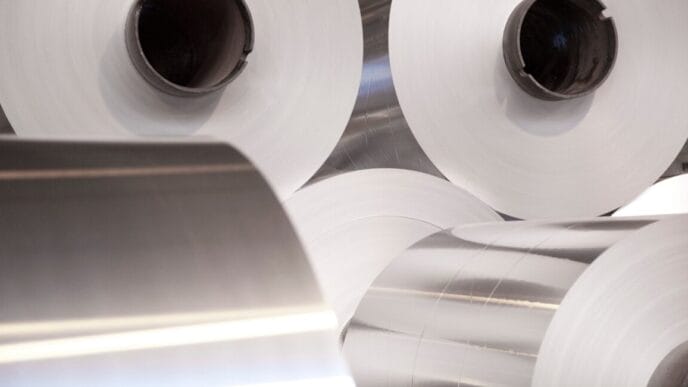
According to CIAL, around 460,000 tonnes of CO₂ equivalents were avoided in 2025 through the recycling of aluminium packaging. In addition, energy savings equivalent to 205,000 tonnes of oil were achieved. According to the consortium, aluminium recycling requires only five percent of the energy needed to produce primary aluminium.
Source: CIAL