The sustainability start-up Trash2treasure processes supposed plastic waste into sustainably designed products. A collaboration with consumer goods manufacturer Kao is now starting with a pilot project for the hair care brand Guhl.
Kao, a Japanese consumer goods company in the beauty segment with brands such as Goldwell, John Frieda, Guhl and Molton Brown, is launching a collaboration with the Frankfurt-based non-profit business Trash2treasure for the recycling of packaging materials. The sustainability start-up specialises in transforming supposed waste into high-quality, sustainably designed products and recycling old packaging in a meaningful and stylish way. The collaboration begins with a joint pilot project for the Guhl hair care brand and is to be extended to other Kao brands in the future.
Sustainability start-up develops long-lasting solution
„At Guhl, we are always looking for new ways to reduce our ecological footprint, but also to enable our consumers to lead a sustainable lifestyle and show that beauty and environmental awareness can very well go hand in hand,“ says Armin Haery, Marketing Director for the end consumer business at Kao in Germany, Austria and Switzerland.

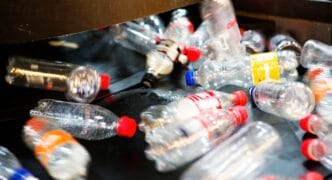
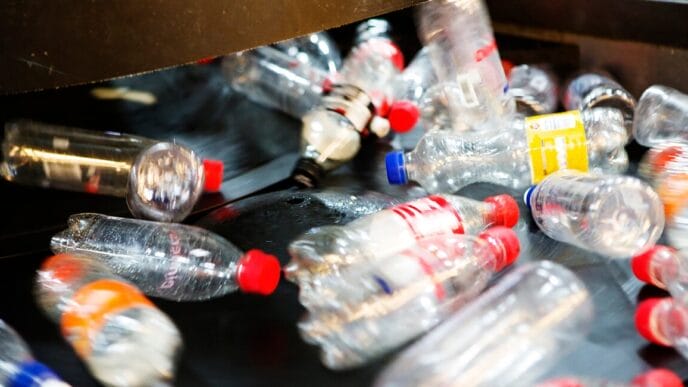
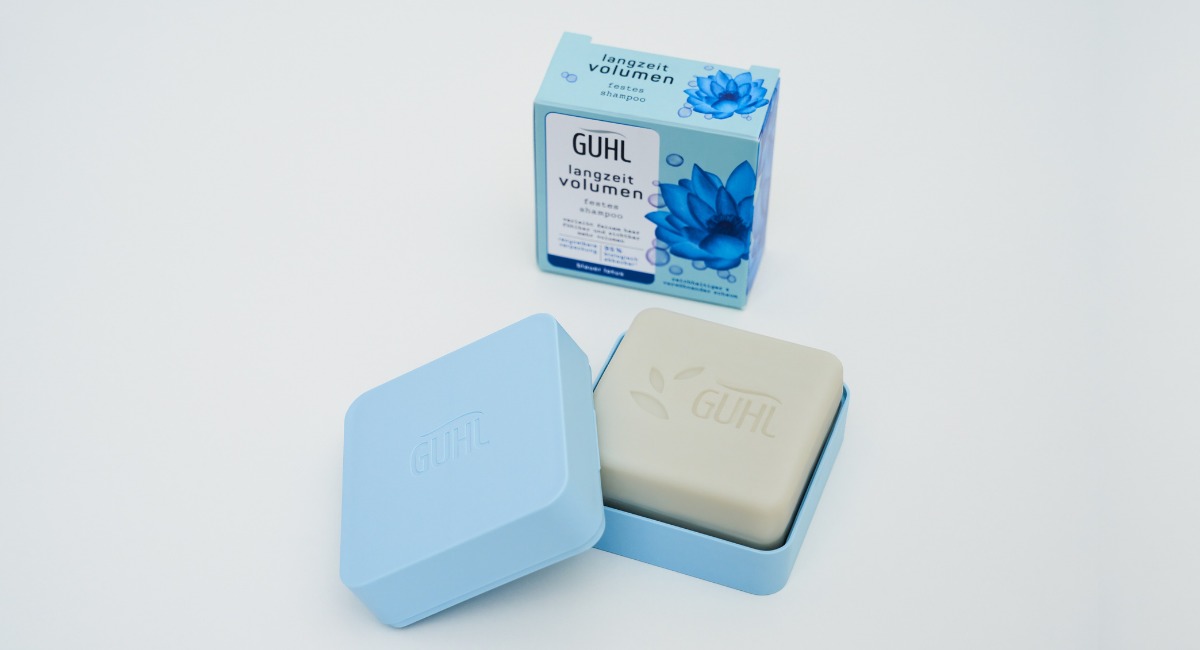
„To achieve this, we want to try out new things and cooperate with partners who share this goal. As in the course of the changeover to more sustainable bottles with recycled rPET content, pure PET bottles have been left over, it was clear to us that we would not simply dispose of them. With Trash2treasure, we have now found a way to recycle them sensibly - as a storage box for our Guhl solid shampoos. A solution that is not only sustainable, durable and stylishly designed, but also offers real added value for the consumer, as the shampoos are easier to store and transport.“
„We founded our company to work together with industry partners to find new, innovative ways of Recycling and upcycling in the sense of recycling supposed waste materials. We want to raise people's awareness of the fact that sustainability and recycling can go hand in hand with quality and high-quality design. With its strong focus on avoiding and recycling plastic and exciting brands such as Guhl, Kao is an ideal partner for us, with whom we would like to expand our collaboration in the future.“ Astrid Haury from Trash2treasure
Sustainable product and packaging concept from Guhl
For Guhl, the cooperation with Trash2treasure is a further step towards firmly anchoring the hair care brand's commitment to sustainability in its brand essence. „With the switch to Shampoo bottles with 50 per cent rPET content, we have already taken an important step towards more sustainable products in January 2019,“ says Armin Haery.
„With our solid shampoos, which are not only up to 95 per cent biodegradable and plastic-free, but also twice as effective as conventional shampoos, we have reached another milestone this year. In future, the brand will position itself even more strongly in this area and at the same time return to its origins. We want to show that we can combine a strong tradition with innovative products that take both environmental awareness and consumer needs into account.
[infotext icon]Originating from an idea within the cosnova beauty innovation team, the Trash2treasure today a non-profit start-up under the umbrella of the cosnova group. It connects companies and designers to create sustainable design from supposed waste and aims to raise awareness of the fact that a sustainable, environmentally friendly approach to supposed waste is perfectly compatible with the creation of beautiful things. The start-up offers companies a complete service from ideation to conception and production. The transformation into something new shows that materials that would normally be thrown away can not only be valuable in terms of the circular economy, but can also be used to make a statement and complement a company's sustainability strategy.Source: Kao