At a joint discussion event to mark Packaging Day with the Parliamentary State Secretary at the Federal Ministry for the Environment, Nature Conservation and Nuclear Safety (BMU), Florian Pronold, members of the Working Group on Packaging and the Environment (AGVU), the German Packaging Institute (dvi) and the Yellow Bin Initiative (geTon) took a fundamentally positive view of the 2019 Packaging Act.
With its regulations, it has created an irreversible dynamic towards a more circular economy along the value chain, ensured greater transparency and efficiency with the Central Agency Packaging Act and, most recently, implemented important requirements of the European Commission.
„At the time, the law was a hard-won compromise between all market participants and the municipalities, but it provided the impetus for a more circular economy. I am pleased to see how, since then, waste recyclers and packaging manufacturers have entered into dialogue and found solutions with the aim of meeting recycling quotas.“
State Secretary for the Environment Florian Pronold
Consumer communication

As the circular economy only works if politics, business and consumers pull together, clear and transparent labelling on packaging is needed. The spirit of optimism in the industry must also spread to consumers. Only then can there be an awareness of the value of design and recycling for the environment, the climate and the conservation of our resources. As a result, this would promote efficient household waste disposal and set the course for a functioning cycle of important secondary raw materials.
Promoting the use of recyclates
When it came to recyclates, there was a consensus that a circular economy for plastics cannot be realised without a functioning market for recyclates. The more often materials are recycled, the greater the contribution to conserving resources. Unlimited recycling is already possible for glass and metals, and multiple recycling is possible for fibre materials. Thanks to modern recycling technologies, recycled plastic can also be reused in high-quality applications. Overall, it is important that politicians not only demand and tax recycling, but also promote and support it.
Design for recycling
A central aspect of the sustainability activities of brand manufacturers, retailers and the packaging industry is the early integration of the circular concept into the design of packaging. Here, too, a clear political orientation is crucial in order to join forces and turn joint efforts into practical (re)usable results.
Life cycle assessments
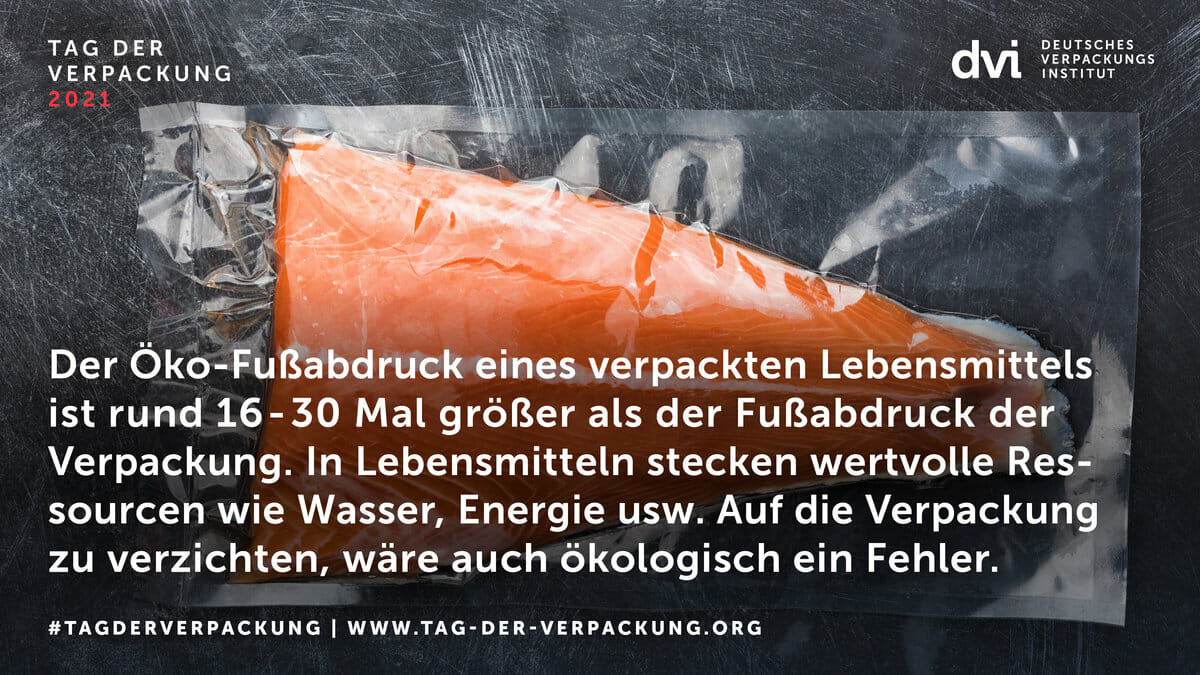
In order to achieve efficient material flows to conserve finite resources, close cycles and use the most sustainable types of packaging, an objective and transparent basis for decision-making is essential. Predominantly ideological demands for certain types of packaging or blanket bans would not lead to the desired result. Life cycle assessments could point the way to making well-founded decisions in favour of greater climate and environmental protection and sustainability.