The terms „sustainability“ and „green packaging“ are increasingly being used as characteristics in connection with new solutions in the packaging sector, sometimes even as synonyms. Demanded by retailers and consumers, many do not really know what this actually means. We want to shed more light on biodegradable and compostable, climate-neutral and sustainably produced, recyclable and more.
First and foremost, it should always be about the Saving and conserving resources go. Today, packaging is increasingly measured by how well it can be recycled. But who makes the judgement? And who ultimately decides whether the packaging is really „good“ and for whom? We brought an expert on board and asked her for her opinion.
[infotext icon]Sonja Bähr studied packaging technology and industrial engineering and has more than 20 years of experience in the packaging industry. After a total of 18 years of association work for the German Packaging Institute and the Association of German Packaging Engineers, she joined the team at Tilisco GmbH, the engineering office for packaging management and sustainable packaging strategies, in July 2018.pj: Mrs Bähr, you have numerous contacts in the various stages of the value chain in the packaging industry and are also very well informed thanks to your consultancy work. How do you categorise the current Hype around sustainable developments and „green packaging“ in connection with the current mood in companies?

Sonja Bähr: We are currently observing various trends that have an impact on the developments and decisions for thee packaging in the companies. On the one hand, the population is highly sensitised to the issue of environmental protection. Climate neutrality, CO2-savings and „plastic-free“ are the key words.
Simple answers are desirable, and it gives people the feeling that they are making a relevant contribution to environmental protection if they can buy products in paper or compostable alternatives instead of plastic. Rationally, however, we know that there are products, shopping and eating habits that are difficult or impossible to realise without the use of plastic.
And producers must comply with national legislation and European regulation, and since 1 January 2019, Germany has been subject to the „Act on the Placing on the Market, Return and High-quality Recycling of Packaging“, or the Packaging Act. The declared aim is to recycle the packaging and close the cycle. There is a classic conflict of objectives, because the greatest possible saving of CO2 or maximum recyclability are contradictory.
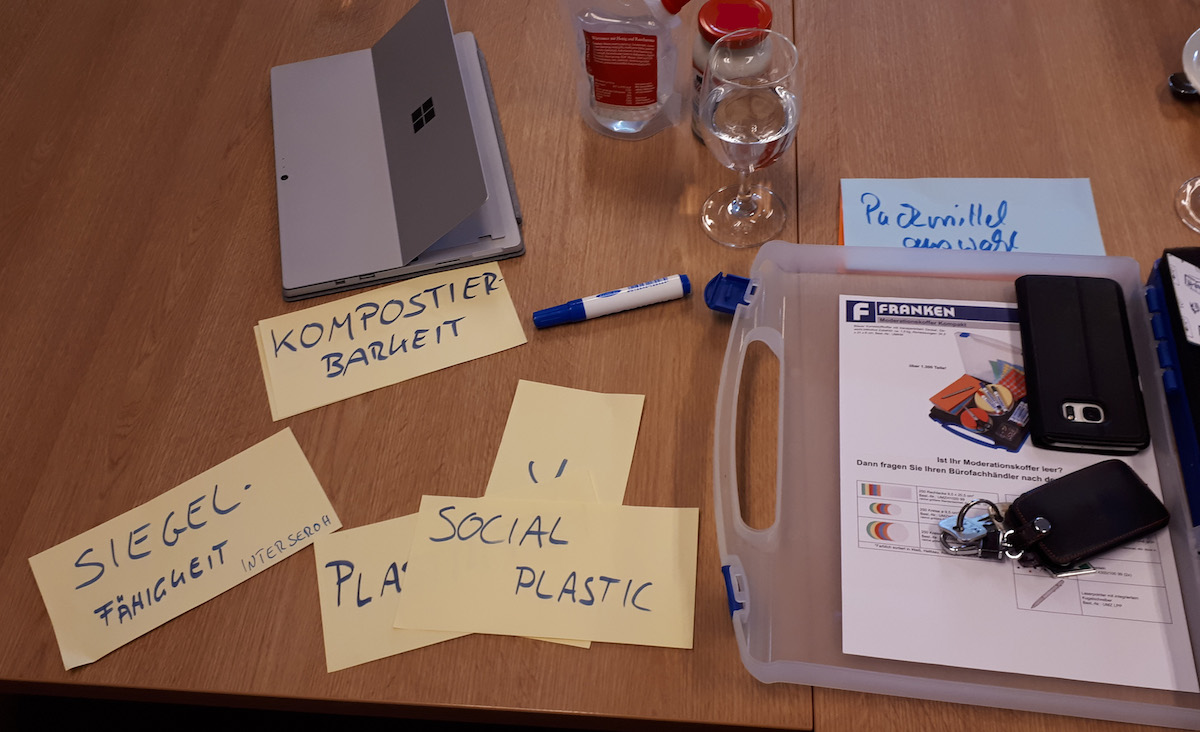
At this point, our Workshop on sustainable packaging strategy has already proven itself many times over. We bring together everyone from the company involved in the packaging, explain the facts and terms as well as the marketing and technical implications for the packaging in question.
In the end, everyone, including product management, purchasing, sales, controlling, technology and management, agrees on a sustainability ranking from which the requirements profile of all areas can be derived. For the companies, this packaging strategy means Planning and investment security.
The focus is on the assessment of recyclability
pj: Which developments/results/solutions „deserve“ the term „green packaging“, and which do not?
Sonja Bähr: There is not the one universal solution. For every type of packaging, regardless of the material, we have facts and arguments that can speak in favour of particularly high sustainability and at the same time for rather poor sustainability. Important questions are: Which products are packaged? What filling technology is available? What are the logistics like? The entire process must be considered. What was the result of the sustainability ranking? Is the strategic goal the greatest possible saving of CO2? Or the maximum possible recyclability?
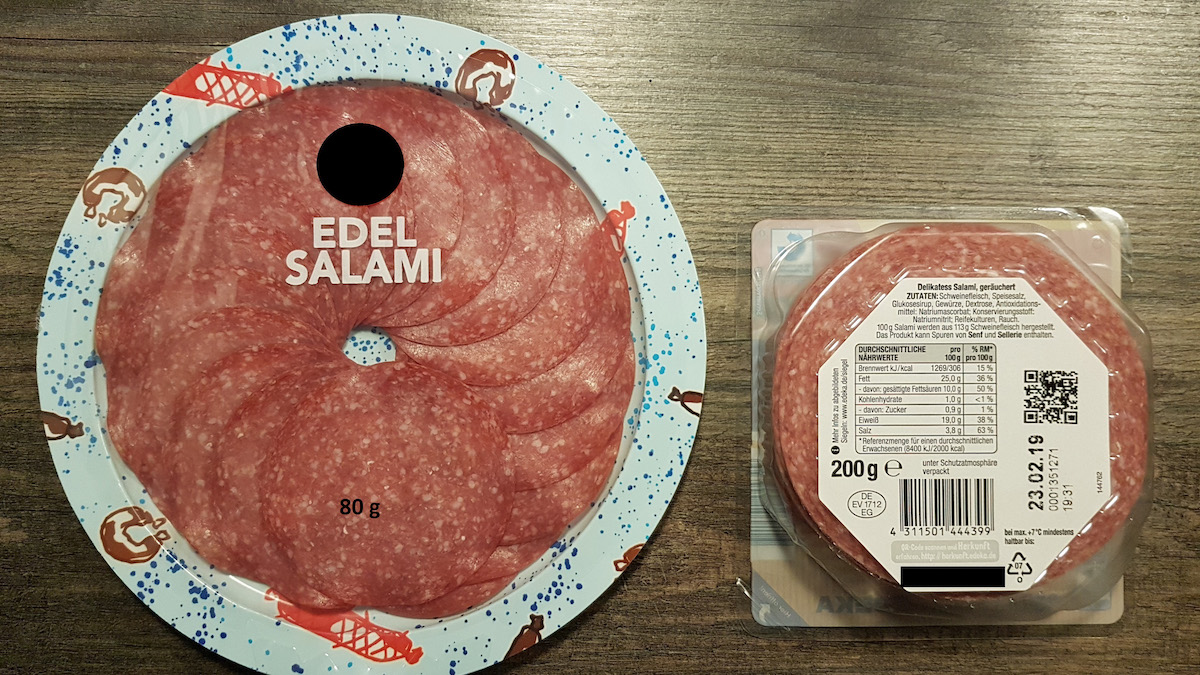
And it is also true that many packaging manufacturers are currently riding the „green wave“ and are using packaging and Selling materials as sustainable that do not live up to this claim on closer inspection. There is often no malicious intent behind this, but all too often ignorance, on both sides, by the way, on the part of the brand and the packaging provider.
A composite of different materials is not easily or very easily recyclable, especially if the top layer is made of paper. On the other hand, plastic can be saved proportionally. And Compostable packaging are made from renewable raw materials and thus save CO2, However, they currently have no disposal route in Germany and are thermally utilised without further use.
pj: Why is it so difficult to categorise them?
Sonja Bähr: This is also due to the different interpretations and interpretations of terms. There is a difference between general recyclability, as many retail companies proclaim, and good/very good or 80 per cent recyclability.
This is the only way to ensure that plastic packaging can be included in today's sorting and recycling loops in order to obtain more high-quality recyclate and make it economically viable at some point, Recyclate instead of primary material in packaging.
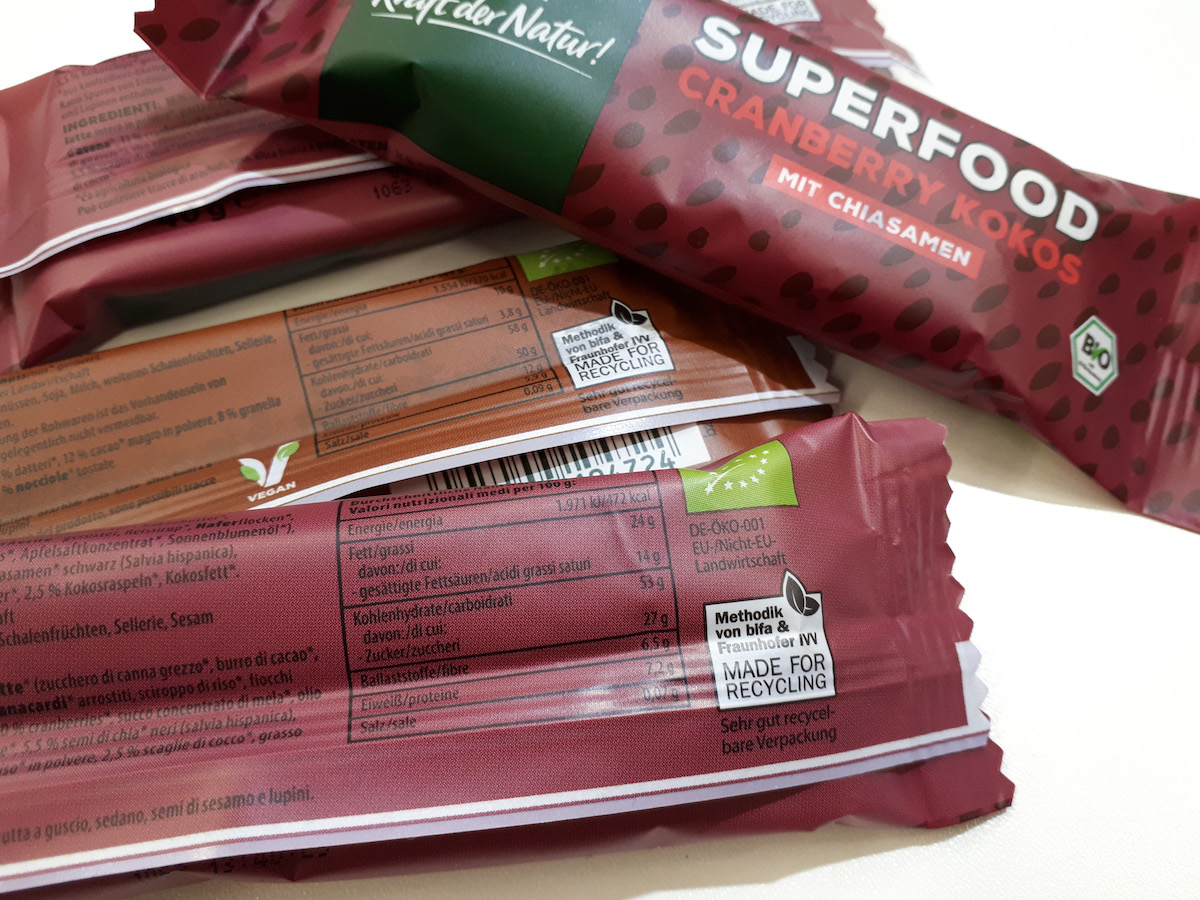
By the way, here we also see urgent need for regulatory action. It is currently the case that only two waste management companies or dual systems in Germany have the authority to decide which packaging is good, very good or 80 per cent recyclable, and these assessments often come to different conclusions. It is imperative that there is a uniform assessment and certification standard that is accessible to all and can be communicated to the consumer.
pj: What aspects must be taken into account for environmentally friendly packaging?
Sonja Bähr: The companies that have achieved the „Avoid, reduce, recycle“ are on the right path to a resource-conserving and environmentally friendly use of packaging. And if the requirements of the product do not allow the use of renewable materials, then please develop the packaging in such a way that it is very good or at least easily recyclable.
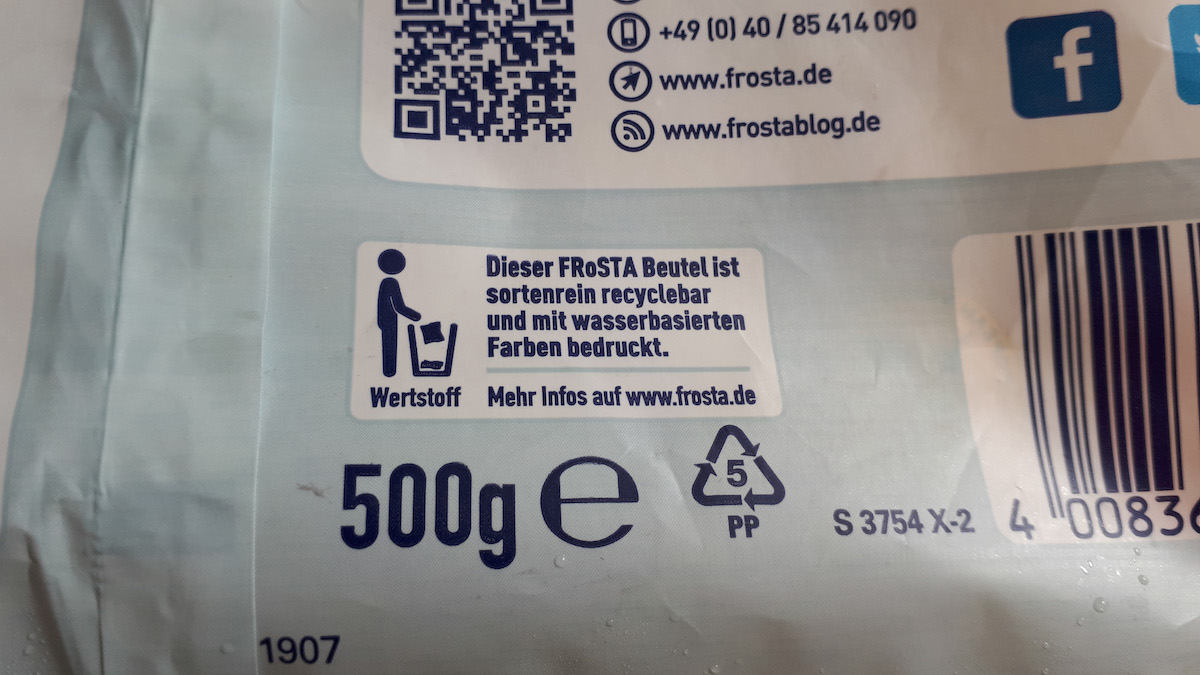
pj: How transparent is the The problem for consumers today?
Sonja Bähr: Unfortunately, far too little. When the Green Dot was introduced at the beginning of the 1990s, I witnessed just how committed the population was. „The Germans are world collection champions“ was a headline at the time. Due to waste scandals, bribery, the threat of bankruptcy, poor collection and sorting rates, waste disposal companies have lost a lot of credibility and now have to face statements such as „sorting isn't worth it, it's all incinerated anyway“. And it is also far too complicated. People want to do something, but it must also be clear what they want to do and to what end.
[infotext]As packaging experts, owners Till Isensee and Sonja Bähr in the Tilisco core team are there for companies that do not have a packaging department or do not employ packaging engineers. The neutral, independent solution recommendation and implementation of Tilisco naturally take into account the ecological aspects of environmentally friendly packaging, without neglecting the economic framework[/infotext].